



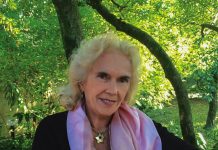



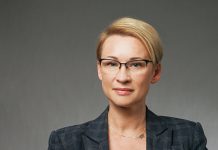










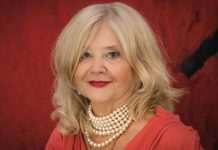
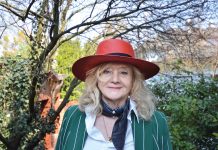







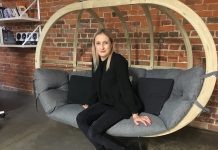



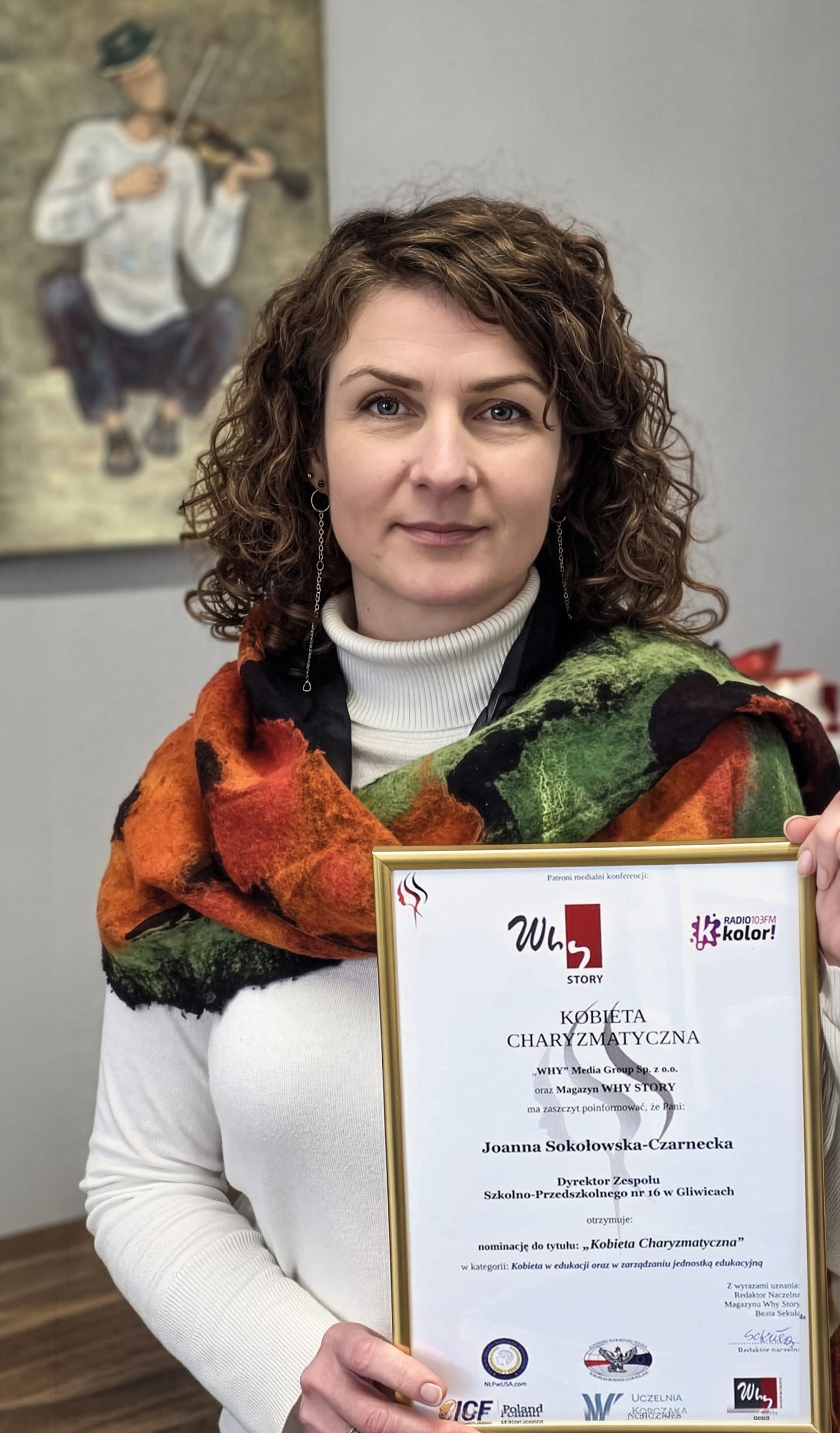
A interview with Dr. Joanna Sokołowska-Czarnecka, principal of School and Preschool Complex No. 16 in Gliwice, about her passion for schoolwork, her ability to unite a team, and the successful implementation of difficult plans. The principal has just been nominated for the Charismatic Woman award.
Were you born a Charismatic Woman?
Hmm, not really. I didn’t serve as a leader at school, nor did I strive for such roles, but I’ve always been interested in social issues. As a teenager, I joined the „Wspólnota Burego Misia” (Brown Bear Community), which supports people with disabilities. We organized summer camps, and over time, I became their commander and then the leader of the Gliwice community. This experience taught me responsibility, cooperation, and empathy. I also understood the importance of relationships and attentiveness to others.
After graduation, I began working as a Polish language teacher, simultaneously engaging students in social and artistic activities. We prepared performances for the local community, including nativity plays and performances in social welfare homes. I believe that theatre develops sensitivity and creativity. These earlier activities resulted in the „Perypetie” School Theatre Performances Festival, which is organized twice a year by the school. The autumn edition is an improvisational event, and for the May festival, students prepare short performances. The competition is citywide.
So, has a passion for creating and creating been with you since your youth?
Yes. I graduated from music school, enjoyed painting, and love theatre. I led theatre clubs, collaborated with universities, and engaged young people in artistic projects. These experiences influenced my way of working with students – I focus on developing their creativity and openness.
Did the charisma of your youth transformed into adulthood?
Yes. I wanted to be a teacher since childhood. At first, I seriously considered qualifying as a math teacher, but then I watched „Dead Poets Society” and chose a different role: not pure mathematics, but the Polish language, which offers opportunities for personal interpretation and reflection, and above all, for establishing a connection with students. After graduating, I started working at school and was convinced that I would infect young people with my passion for the Polish language, encourage them to study well and read widely. I wanted them to feel empowered, but also responsible and able to act in various capacities… but I quickly realized that building relationships was paramount.
You also earned a doctorate.
Yes, a doctorate was supposed to be a natural continuation of my studies, but right after graduation, I decided to postpone it because I had to organize a camp for children with disabilities, and that was my priority at the time. The following year, I enrolled in doctoral studies, but this project had to wait almost 20 years… I finally wrote my doctoral thesis on Czesław Miłosz’s „female relatives” under the supervision of Professor Marek Bernacki, a renowned Miłosz scholar, and successfully defended it two years ago at the University of Bielsko-Biała.
What challenges does school face today?
Like many institutions, we deal with contemporary issues: children’s loneliness, family difficulties, and mental health crises. Access to specialists, such as psychologists, is also a challenge. That’s why I’m developing my own skills – I’m studying Nonviolent Communication, I’ve completed a coaching degree, and I’m considering further training.
What are you doing now besides working at school?
Primarily working at school, although I also occasionally conduct training for teachers and share my experience. I also collaborate with the University of Bielsko-Biała Publishing House, where I publish columns that offer a practical perspective on changes in education and demonstrate that they are truly possible. I also devote a significant amount of time to personal development,
Particularly in the area of communication – I am studying Nonviolent Communication (NVC) and the Process Communication Model (PCM).
I also travel abroad for training. A significant experience for me was participating in an Erasmus+ project and a trip to Portugal, where I learned about project-based methods. After returning, I decided to implement them in our school. Initially, the idea raised some doubts, but today, two years later, we are successfully implementing cross-curricular projects. Students present the results of their work in the school forum, which significantly impacts their development and self-confidence.
What is the school community like?
We employ approximately 100 people, including nearly 70 teachers. We care for over 550 children. We form a close-knit team that is not afraid of challenges and seeks the best solutions.
Do you conduct physical education?
We focus on diversity: sports activities, handicraft workshops, carpentry, gardening, and ceramics projects. In preschool, we implement projects in mathematics, robotics, and ecology. We utilize EU funds and international programs that support the development of students and teachers.
What are you most proud of?
Besides our previous achievements, I’m particularly proud of our school’s patron saint, Tadeusz Różewicz. I was convinced that the school community needed an authority figure with whom it could identify. I thought this poet, with his ties to our area, would be the ideal choice. Initially, few believed the idea would come to fruition. I wrote to the poet’s daughter-in-law, Małgorzata Różewicz, who responded kindly, referring me to her daughter, Julia, who handles copyright issues. The process of obtaining permission wasn’t easy – the poet himself approached such initiatives with reserve – but it was ultimately successful. It was a moment of immense joy for me. This year we celebrate the fifth anniversary of the naming ceremony. The patron saint isn’t a symbolic figure for us – the students care for the poet’s mother’s grave, located in the nearby cemetery. Every year, we also organize „Tea at Tadek’s,” combined with an inter-school art competition. There are also beautiful, unexpected gestures – sculptor Jarosław Jasiński recently donated a plaster bust of the poet to the school, which further enhances his presence in our space.
What are your plans for the near future?
I want to develop educational activities based on the Montessori method, Kids’ Skills, strengthen students’ social skills, and raise more funds for the school’s development. I also plan to continue my personal development in the field of psychology.
How do you spend your free time?
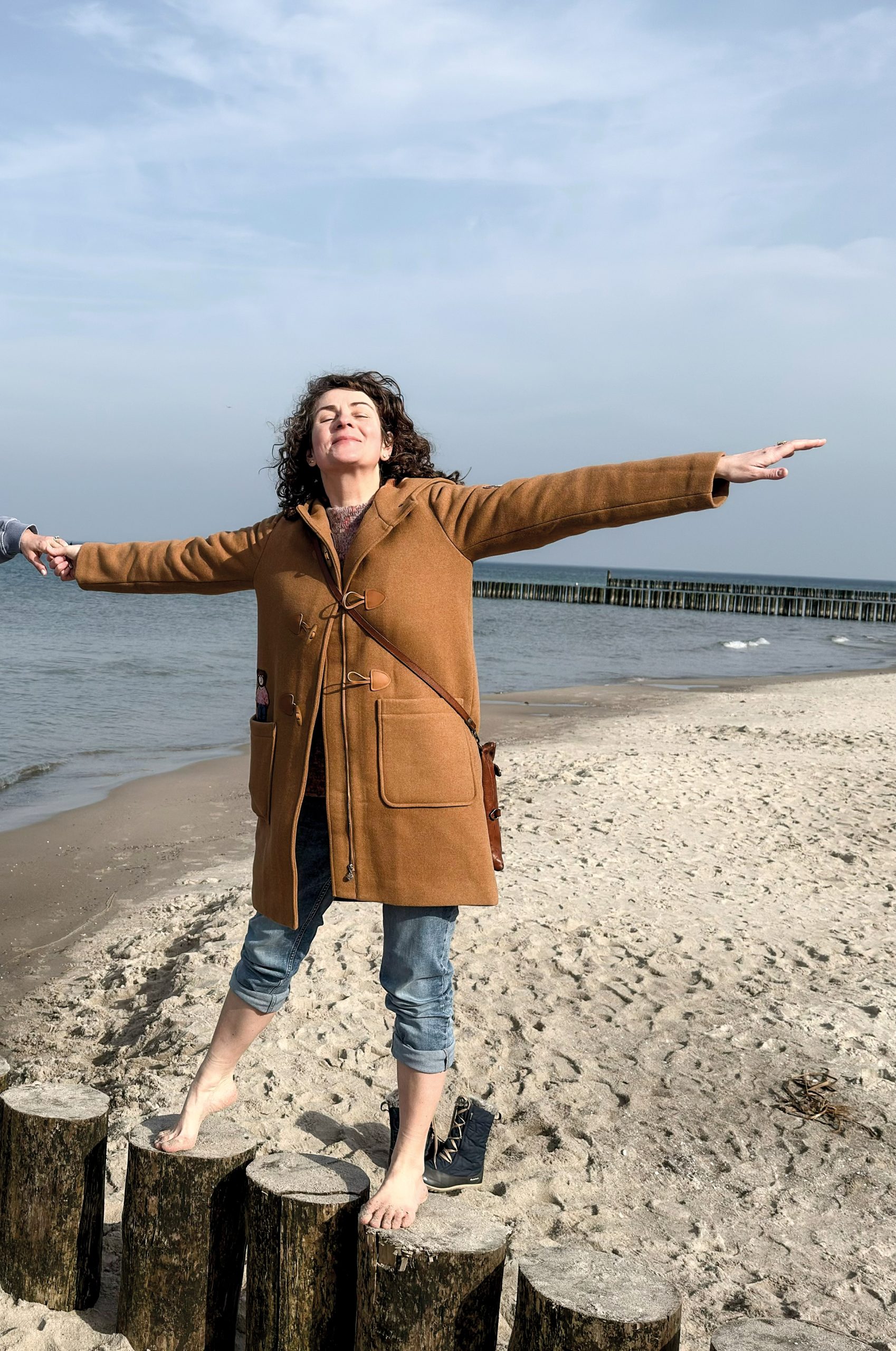
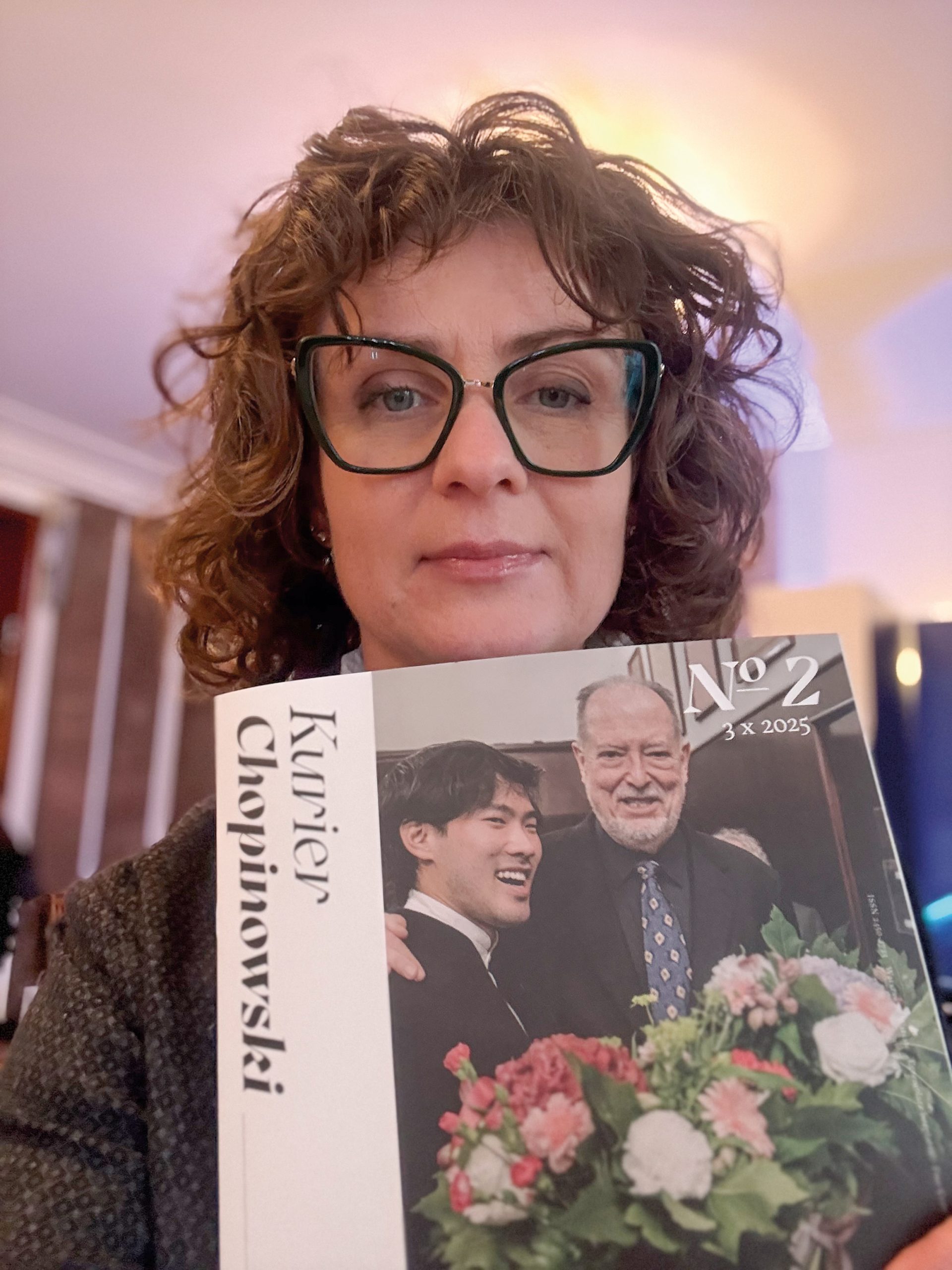
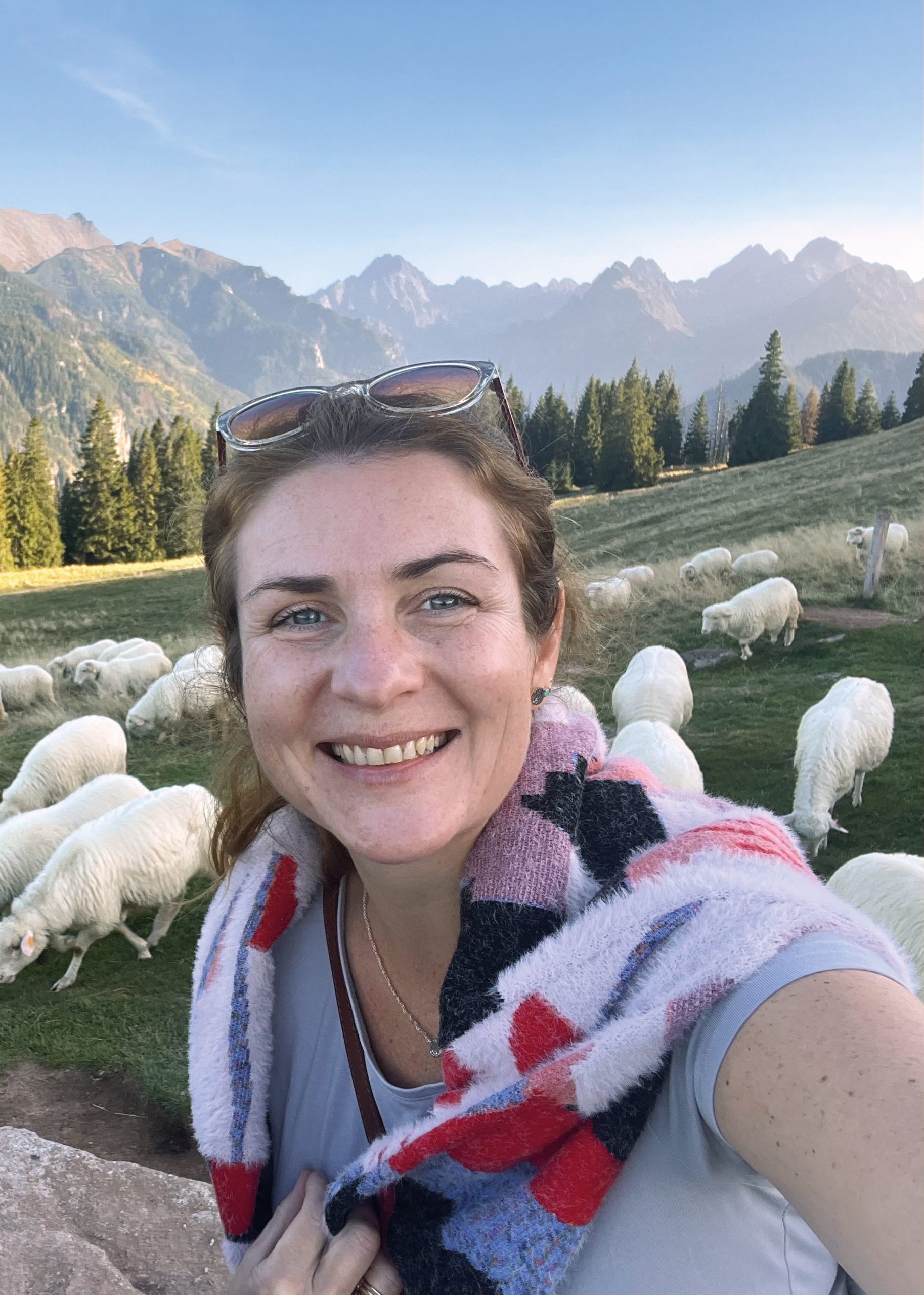
Primarily with family and friends. I enjoy physical activity, trips to the mountains, the sea, yoga, and reading. Music also holds an important place – especially Chopin’s music. I always look forward to the Chopin Competition, which recharges my batteries for the coming years.
So, what can I wish you?
Perseverance, energy, and an enless faith in people. I have many plans, and I would like to continue pursuing them with the same passion and commitment.
Wojciech Skowroński
Beata Sekuła