

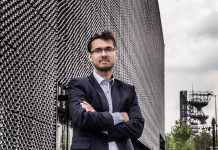






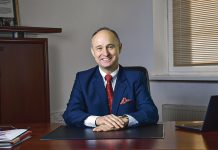












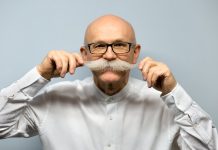










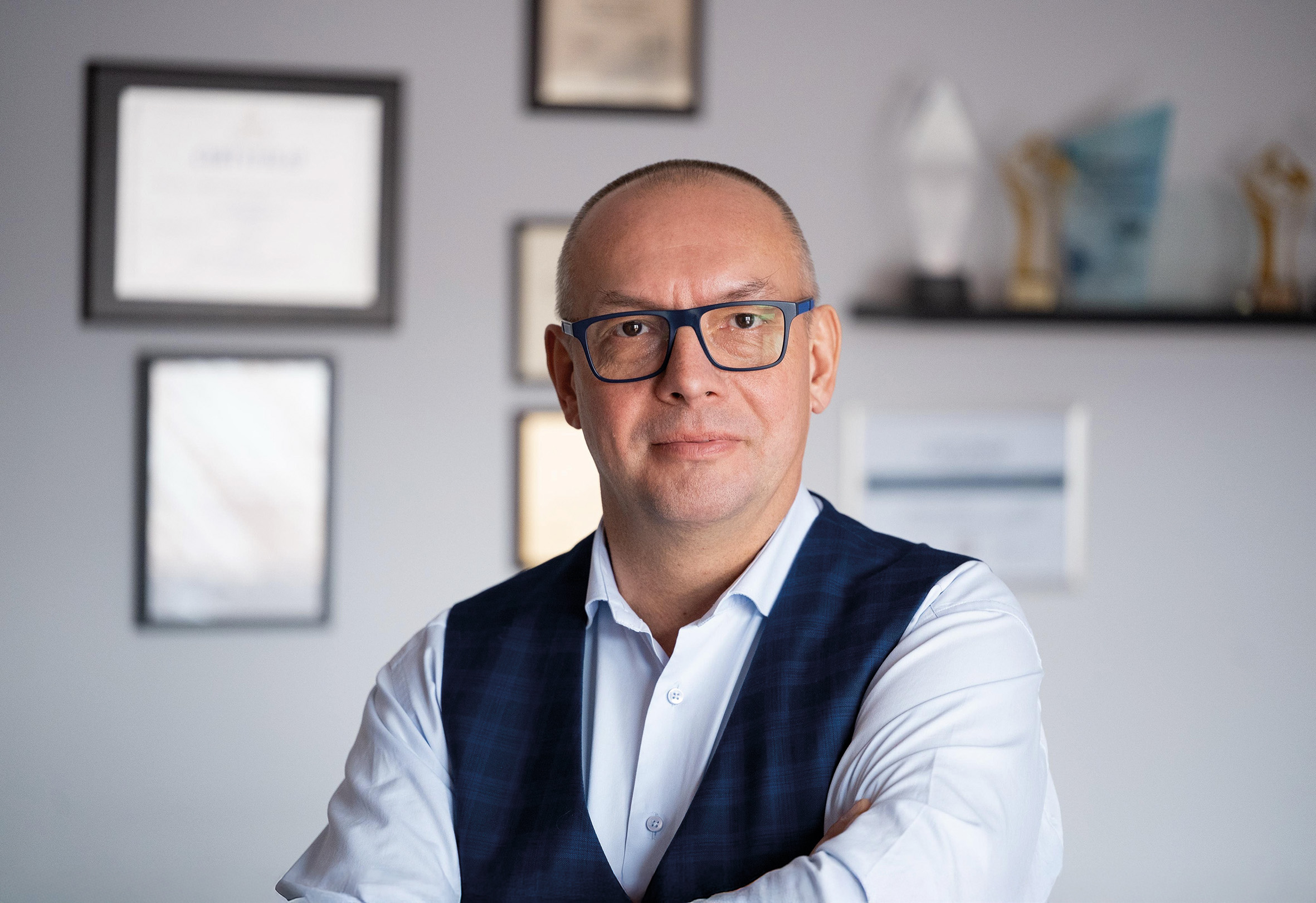
An interview with Tomasz Lemański – President of the Management Board of the Municipal Housing Management Company in Świętochłowice, a manager with years of experience in real estate and housing – about responsibility, working with people, strength of character, and why true leadership is most fully revealed when an organization is put to the test.
Were you born a leader, or did you become one?
This question has been a recurring theme in various conversations about leadership for years, as two perspectives clash. One says that a leader is born, the other that one can become one. I am more inclined to believe that a person becomes a leader if they have certain predispositions, but only life, experience, and responsibility truly bring them to the surface. One thing I am certain of: the qualities of a leader cannot be bought. Nor can they be decreed by a position. They emerge when you need to remain calm, make decisions, and take responsibility for others. That’s why I believe that crises don’t so much create leaders as reveal them.
How did you stand out at school?
I have never been someone who would hide in a crowd. I didn’t have to always be number one, but from the very beginning, I had independence, ambition, and a need for agency. A significant moment in my life was when I became independent, left home, and started a family. It was then that many things fell into place. I began to see my strengths more clearly and understand that talent and character are only valuable when a person can translate them into action. In retrospect, I see that many key traits emerged in me precisely in moments requiring courage, determination, and responsibility.
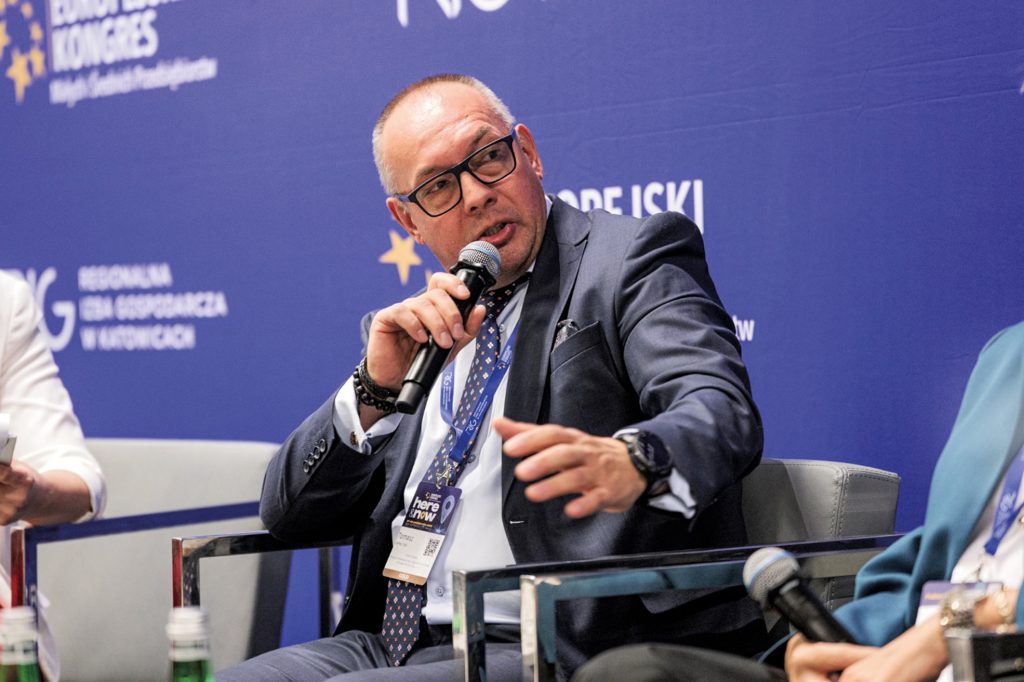
Do you believe education plays an important role in building leadership competencies?
Absolutely. Leadership based solely on intuition becomes insufficient over time. Experience is invaluable, but only when combined with knowledge does it give a manager a lasting advantage. In my case, it was a long and consistently built path – from vocational and technical school, through management studies, to subsequent stages of academic development. This path taught me one thing: leadership competencies aren’t the result of a single success or a single moment. They arise from self-improvement, discipline, and a willingness to continuously develop. Education provides not only knowledge but also organizes your thinking, and this is crucial in management.
Does this knowledge prove useful to you in your work now?
Yes, very much so. Management isn’t just about overseeing tasks, but above all, the ability to understand an organization, processes, and people. The knowledge I’ve acquired over the years has a very practical dimension for me. It helps me more accurately assess situations, organize responsibilities, make decisions, and build a more informed approach to the entire organization. Running my own consulting business was also a significant experience for me. This allowed me to view companies not only from the perspective of a manager within the organization, but also from the position of an external expert. This experience continues to pay off. I joined the company I currently work for specifically to observe its operating mechanisms and provide recommendations. This collaboration has developed over time into a long-term management commitment.
What are the main responsibilities of MPGL in Świętochłowice?
First and foremost, we carry out a highly responsible public task related to the management of the city’s housing stock. All municipal apartments in Świętochłowice are serviced by our company. We also manage approximately 150 housing communities. Our structure also includes a renovation company that works both for our own needs and for commercial purposes. In total, we employ approximately 120 people. This is a very demanding area, as a large portion of the municipal housing stock consists of old buildings, often over a century old, often burdened by complex legal status. In such an environment, effective management requires not only operational competence but also patience, consistency, and long-term thinking.
Do employees have the opportunity to develop their skills?
Yes, and I consider this one of the responsibilities of responsible management. An organization thrives when the people who comprise it thrive. Therefore, whenever possible, we invest in training – both in soft skills, such as stress resistance or customer service, as well as in technical and legal areas.
Today, the pace of changes in regulations and requirements is very rapid, so employee development is not a luxury, but a necessity. Importantly, we are able to access external funding to finance such activities, thus strengthening our team systematically and responsibly.
This year, the company celebrates its 75th anniversary. What are the planned celebrations?
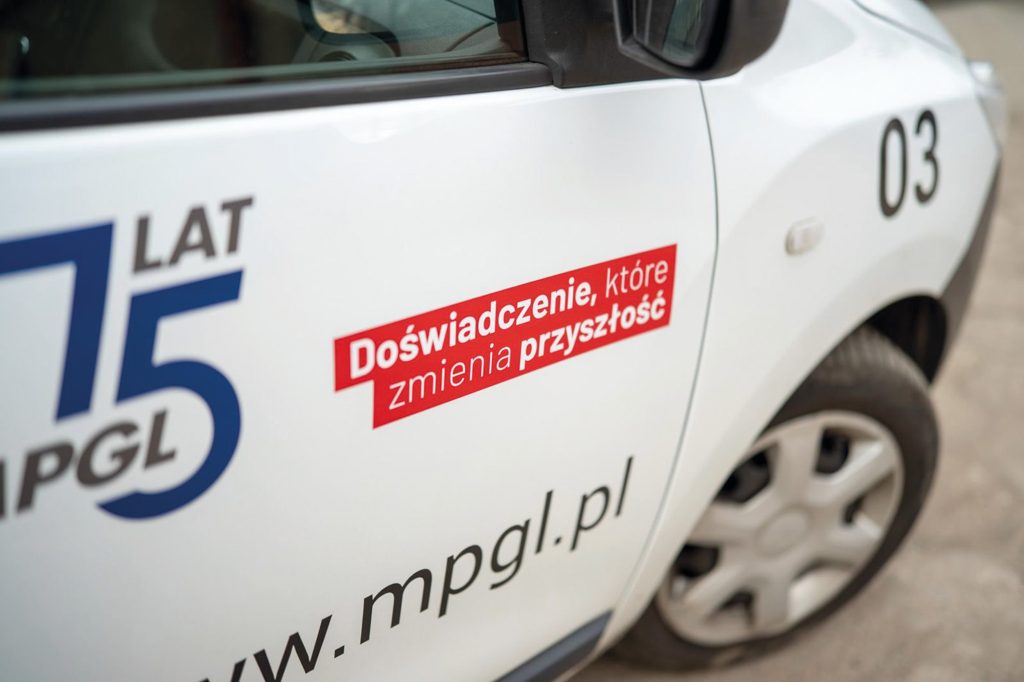
This is a very important moment for our organization. Seventy-five years in business is not only an anniversary but also a confirmation that this company has played a vital role for the city and its residents for decades. Of course, the budget for the celebrations has its limitations, but for me, the most important thing is not so much the celebration itself, but rather the proper recognition of the company’s achievements, its reputation, and its place in the local community. We want to highlight its presence in a way that expresses respect for the history, the work of many people, and the importance of this institution for Świętochłowice.
How many apartments does the company have?
There are approximately six thousand apartments, but it’s important to remember that this is a dynamic resource. The turnover is natural – residents are becoming more independent, their living and financial situation is improving, and new needs are emerging. Organizationally, we operate with three administrations: two are responsible for municipal housing, and one for housing communities. With such a large scale, good work organization, a clear division of responsibilities, and daily operational discipline are crucial.
Do you have buildings worth boasting about?
Absolutely. Personally, I have a great fondness for Lipiny. It’s a part of the city with a very distinctive architectural and historical character. You can see buildings with beautiful cornices, facades, and glazed brick facades. Today, it’s hard to believe that many of these tenement houses were once built with workers in mind. Some buildings have already been renovated, others still await thorough renovations. Importantly, however, attention to aesthetics is increasingly visible on the part of housing communities and private owners. This demonstrates that caring for space and local heritage can become a collaborative effort across many groups.
Does your renovation company also handle major renovations of these buildings?
We have excellent specialists – excellent bricklayers, roofers, and carpenters – but major renovations of entire buildings or facades require a scale of work that cannot be based solely on our own resources. In such cases, tender procedures are initiated and companies specializing in this type of work are selected. Our role is then to responsibly prepare the process and supervise that everything is completed to the required standard.
What are the company’s working hours?
Administrative hours are standard from 7 a.m. to 3 p.m., but the nature of our business means that responsibility does not end with the office closing. In practice, we are available much more widely, and an external technical emergency service provider also operates within our area. Managing the housing stock is an area where you must be ready to respond whenever the situation requires it.
What do you consider your greatest success?
My greatest success has always been my family. It gives me a sense of purpose, rootedness, and a true sense of value. I’m proud that my wife and I have created a home based on responsibility, closeness, and mutual support. I’m thrilled by my children’s development, their ambition, diligence, and independence. When I think about my professional life, I consider my greatest success to be that I haven’t burned any bridges along the way. Wherever I’ve worked, I’ve left behind good relationships, respect, and a sense of honest work. For me, this is one of the most important measures of leadership – not only achieving goals, but doing so in such a way that, years later, I can proudly meet the people I worked with.
needed in management
And your passions?
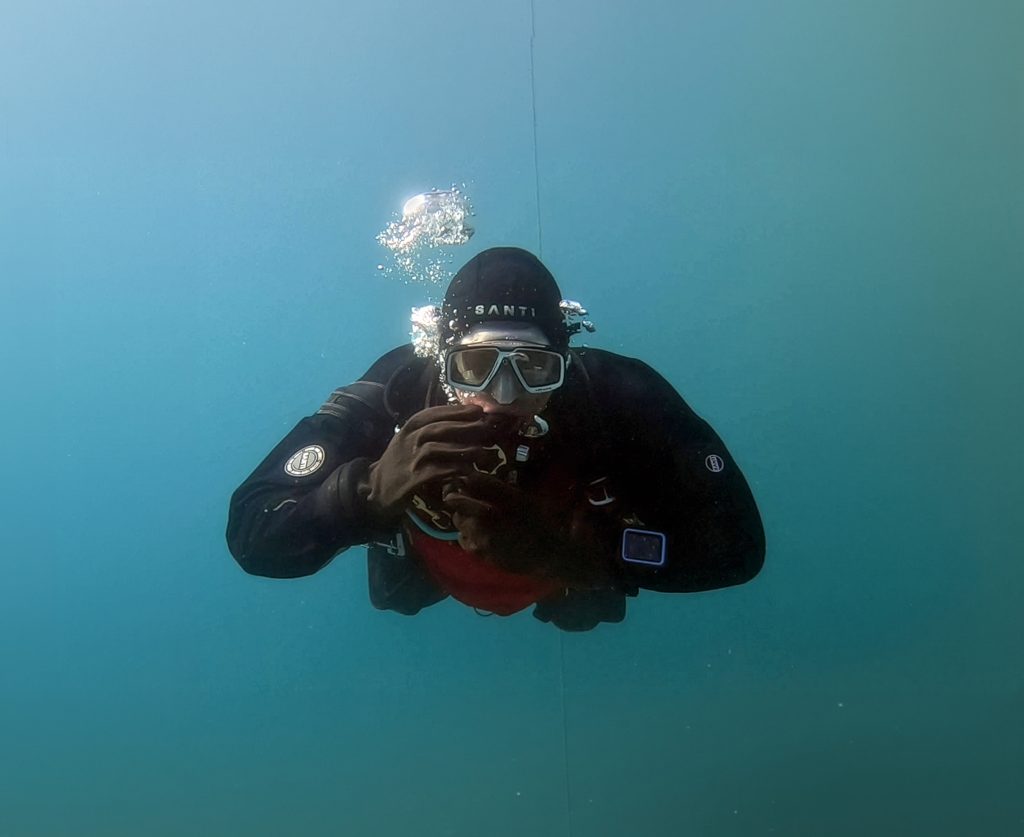
There are several, and each of them shapes me in some way. I’m a professional diving instructor, a passion that accompanies me both at home and abroad. Diving teaches humility, focus, and responsibility – precisely the qualities that are also essential in management. I also tinker, have a small home carpentry shop, and enjoy target shooting. I enjoy activities that require precision, control, and discipline. I think that’s why they’re so close to my heart.
What are your guidelines and plans for the near future?
Build, renovate, develop, and strengthen the organization. This is the simplest, yet most honest, way to describe my plans. I want the company I’m responsible to operate more efficiently, more maturely, and with a growing sense of responsibility for the people and resources entrusted to it. For me, management has never been solely about managing the present. It’s primarily about building a lasting foundation for the future – order, quality, trust, and the ability to make good decisions, even in difficult times.
Wojciech Skowroński
Beata Sekuła