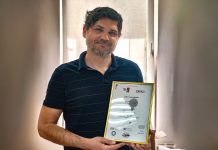










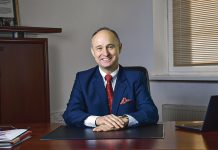









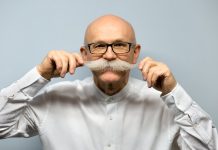






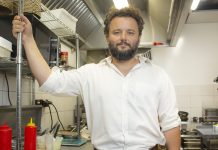


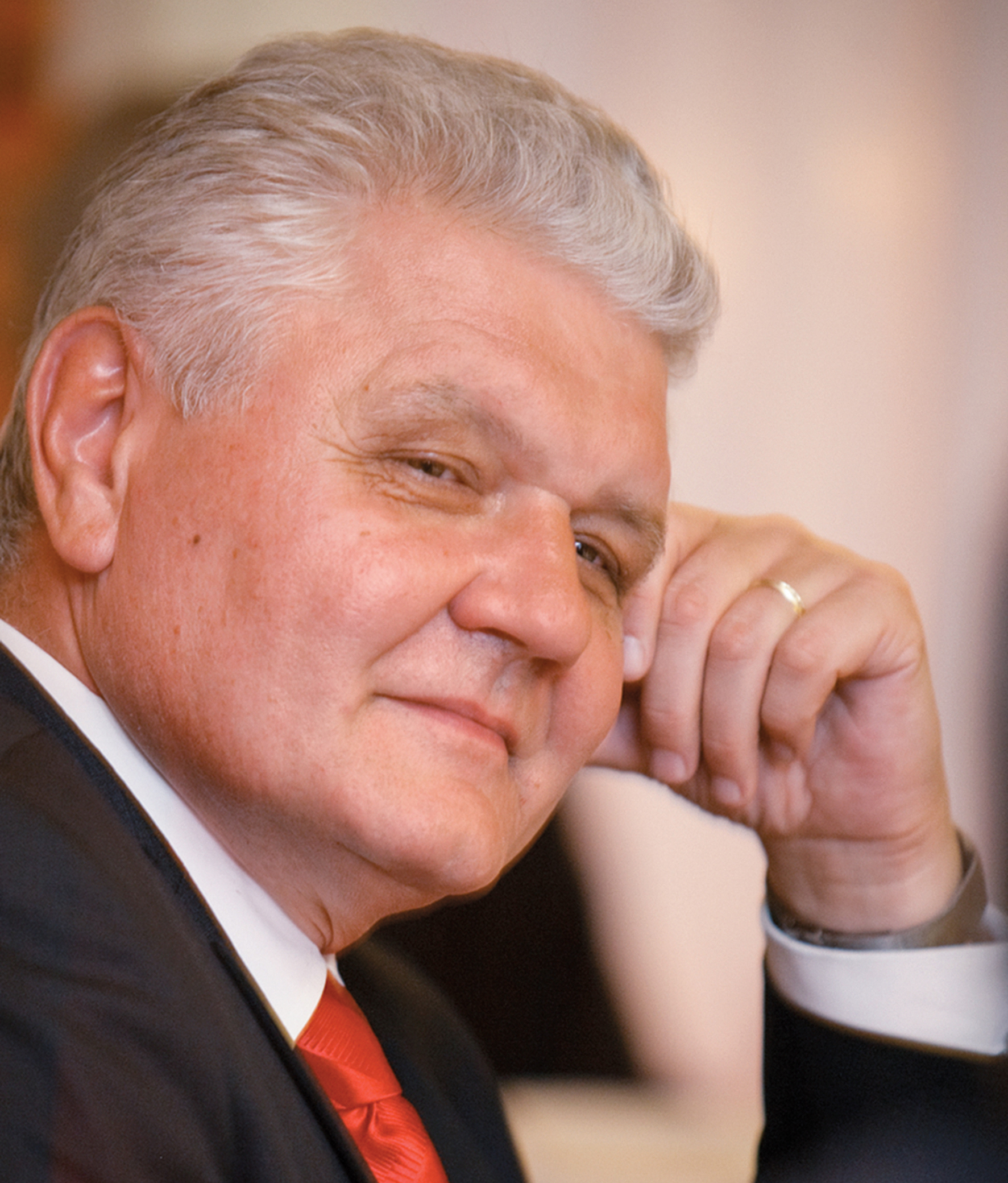
An interview with Zbigniew Kłos, CEO of Kłos Nowoczesne Technologie Bankowe (Modern Banking Technologies), an entrepreneur associated with the banking technology and security sector, and awarded the Leader by Vocation title. He discusses, among other things, the family business’s over sixty-year history, the experience gained in Germany, nationwide service, and responsibility for people.
How do you define leadership?
In my opinion, leaders don’t have to do everything themselves or prove they’re always right. They should create working conditions in which people know what they’re responsible for, have the opportunity to develop, and feel their work is needed. For me, leadership also means the ability to admit mistakes, learn from them, and not shift the burden of responsibility onto others.
You’ve gained considerable professional experience, including running the family business, which was founded by your father in 1964. How did it begin?
My father was an experienced craftsman. He worked, among other places, at Ursus and in the workshops of the Polish Academy of Sciences, where various prototypes were created. In 1965, he won a tender from the National Bank of Poland for the production of night depositories, enabling the safe transfer of cash directly to bank vaults.
As a nine-year-old, I came to his small workshop in Młociny, northern Warsaw. I started with the simplest tasks and watched as a company grew from technical knowledge, precision, and honesty.
In 1983, you moved to Germany. What did this phase of your life bring you?
I left at a difficult time, shortly after the imposition of martial law. I settled in Bonn, studied, and later worked in Cologne. I became a freight forwarder and was employed for many years at a highly reputable company.
Germany taught me organization, punctuality, responsibility, and respect for work. I saw the importance of procedures, consistency, and keeping commitments. When I returned to Poland in 1995, I was able to combine this experience with my father’s knowledge and the tradition of the family business.
How did the company change after your return to Poland?
We gradually began to expand our offerings and adapt to the new economic realities. We continued my father’s work, but we also introduced new products, our own solutions, and modern technologies. In 2009, I transformed the company into a limited liability company, partly due to the requirements set by banks in tender procedures, but also to changing market realities.
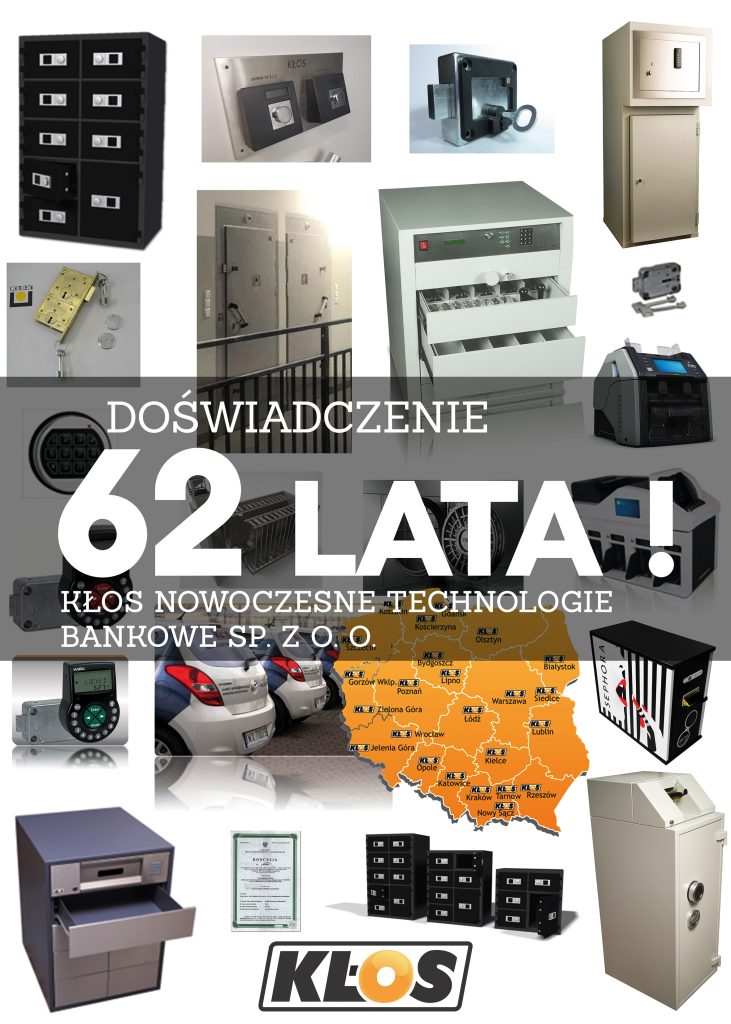
Today, we offer our clients professional cash handling equipment, including safes, strongboxes, vaults, locks, and more.
Some solutions are developed based on our own know-how by our subcontractors, while final assembly, electronic equipment, and quality control are performed in-house. We also independently distribute proven cash packaging solutions (e.g., banknote and coin counters and sorters) from our foreign trading partners.
One of the company’s pillars is our nationwide service. How does such an extensive structure work?
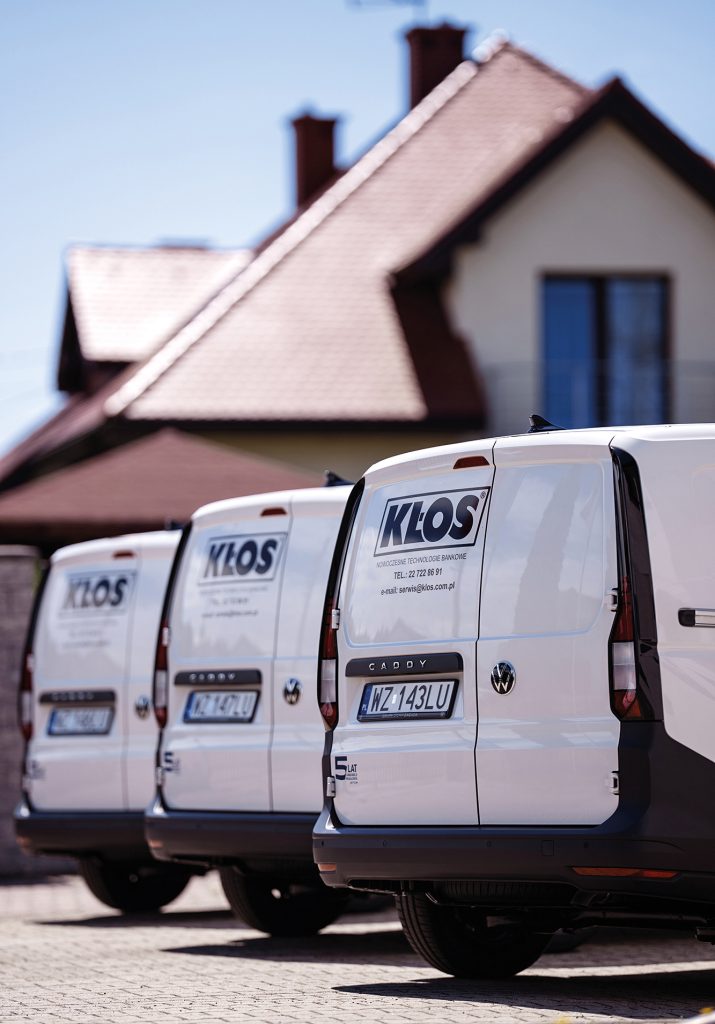
We have approximately 40 service technicians employed under employment contracts in various parts of Poland. We service banks, cash-handling companies, and retail chains. Our contracts guarantee a four-hour response time, regardless of the location of the breakdown. We have also implemented a special on-call system that allows us to provide support to our clients even on weekends.
This requires excellent logistics, carefully planned shifts, and clear procedures. Our employees are deployed to locations subject to strict safety regulations, so they must have the appropriate qualifications, be of good repute, and be fully aware of the responsibilities they bear.
How do you prepare an employee for such demanding work?
It’s not enough to hire someone who knows how to use tools. New employees undergo several months of training with us and then work in the field alongside an experienced service technician.
Basic mechanics and electronics are required, but commitment, a willingness to learn, honesty, and respect for the work performed are paramount. Technical knowledge can be transferred. Reliability, punctuality, and a good customer service approach are much more difficult to teach.
You employ approximately 70 people. How do you build a loyal team in times of high employee turnover?
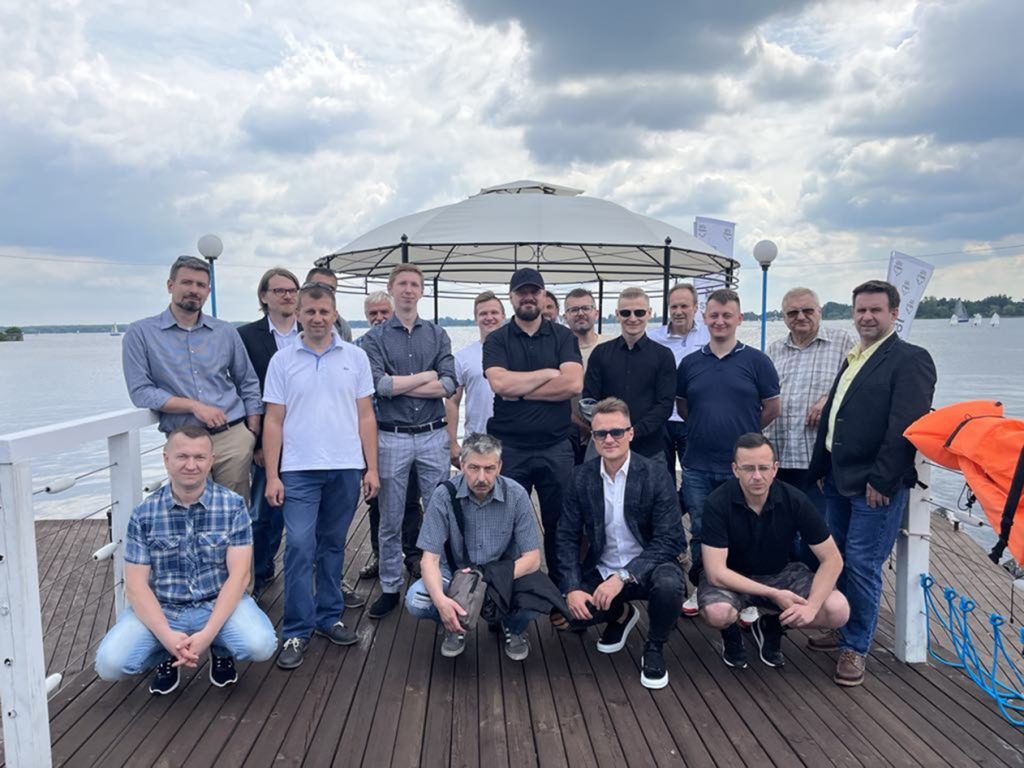
Above all, you have to treat people fairly. Even in difficult years, salaries have always been paid on time. We have an internal bonus system, periodic salary adjustments, anniversary awards, and annual team-building events for the entire team.
Many employees have been with us for over twenty years, and some for over thirty. This doesn’t mean, of course, that problems never arise. However, we strive to resolve them quickly, openly, and respectfully. We are not a large corporation. We know each other and know that in our daily work, we are responsible for each other.
Why do you prioritize employee development and advancement within the company?
This stems from my experience, which confirms that only employees who have worked here for years demonstrate true commitment and treat our company as their own. Competencies listed on a CV aren’t enough. Knowledge of the people, customers, products, and organizational culture is essential. That’s why I believe that future leaders are best developed within the company.
One such person is Ryszard Celiński, who has been with the company for over twenty years. Today, he is the Managing Director and Member of the Management Board. He knows the organization from the inside and can coordinate its most important areas. He is the person with whom I realistically plan the company’s future.
The second such person is Agnieszka Rerutko, Chief Financial Officer and Vice President of the Management Board. She is responsible for finance, control, and decision-making security.
Both have earned my trust over the years—through their daily work, commitment, and responsibility.
Are these trusted colleagues the foundation of your succession process?
I don’t have a final plan yet. My sons have chosen their own career paths. One has pursued modern technologies, the other crafts and the automotive industry, and the third sports and football management. I’m proud of them and respect their choices. Succession doesn’t have to mean a simple transfer of the business from father to son.
I want the company to continue to grow, even when I’m less active. Ryszard and Agnieszka are currently the most important people in this process. However, I don’t intend to completely step away. I still want to communicate with clients and participate in key decisions.
You supply products to almost all Polish banks in Poland, but you also work with foreign partners. From which countries?
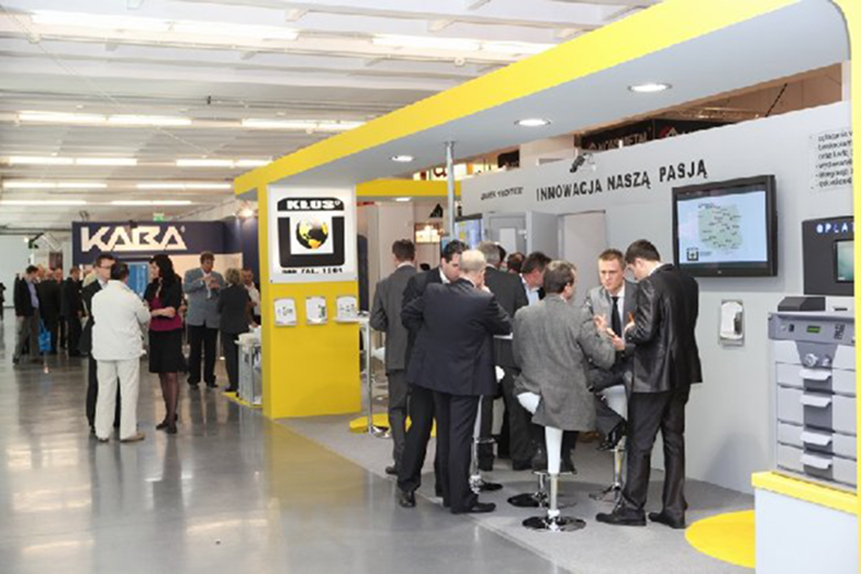
We have trading partners in China, Germany, Switzerland, the Netherlands, and Taiwan. We source components for our own products from them, as well as state-of-the-art, ready-made cash handling solutions (including banknote and coin counters and sorters). In addition to our domestic market, we currently distribute our products and goods to countries such as the Czech Republic, Slovakia, Germany, and Romania.
What do you consider the company’s greatest success?
The fact that the company has been operating for over sixty years and remains a reliable partner for demanding customers. We have survived political changes, market transformations, crises, and a pandemic. We have developed our own solutions, a nationwide service network, and competencies that cannot be built in a few seasons.
However, our greatest asset remains our employees. Machines can be purchased, technology can be improved, but the trust of the team and customers is earned over the years.
What is life like outside of the company? What helps you relax?
I enjoy mountains and cross-country skiing. I read a lot, especially history books and biographies of sports figures and politicians. Sport has been with me since my youth – I practiced swimming (although without any athletic success) and worked as a lifeguard in Masuria during the summer. Today, activity gives me balance and allows me to escape from everyday responsibilities.
After so many years of work, what is the true measure of success for you today?
I feel fulfilled. I have a family, a loving wife with whom we get along wonderfully, home, and a company that can manage itself. I no longer dream of more material things. I would like to have more time for my grandchildren, loved ones, and friends.
Today, the most important things for me are health, empathy, and the presence of good people. In business and in life, everything ultimately comes down to relationships. They give me a true sense of security and are the most important measure of success.
And what are your plans for the coming years?
I want the company to be able to operate efficiently without being dependent on a single person. However, I don’t intend to retire completely. My father worked until he was almost ninety-four and showed me that activity can give life meaning for a long time. I want to remain close to the company, gradually handing over day-to-day management to people I trust.
Szymon Pęczalski
Beata Sekuła