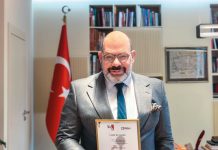




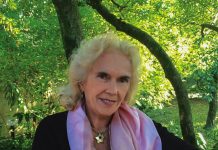






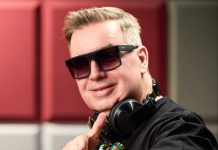


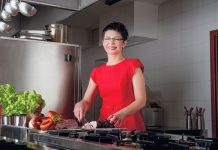





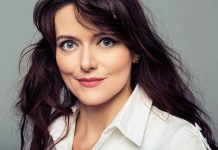




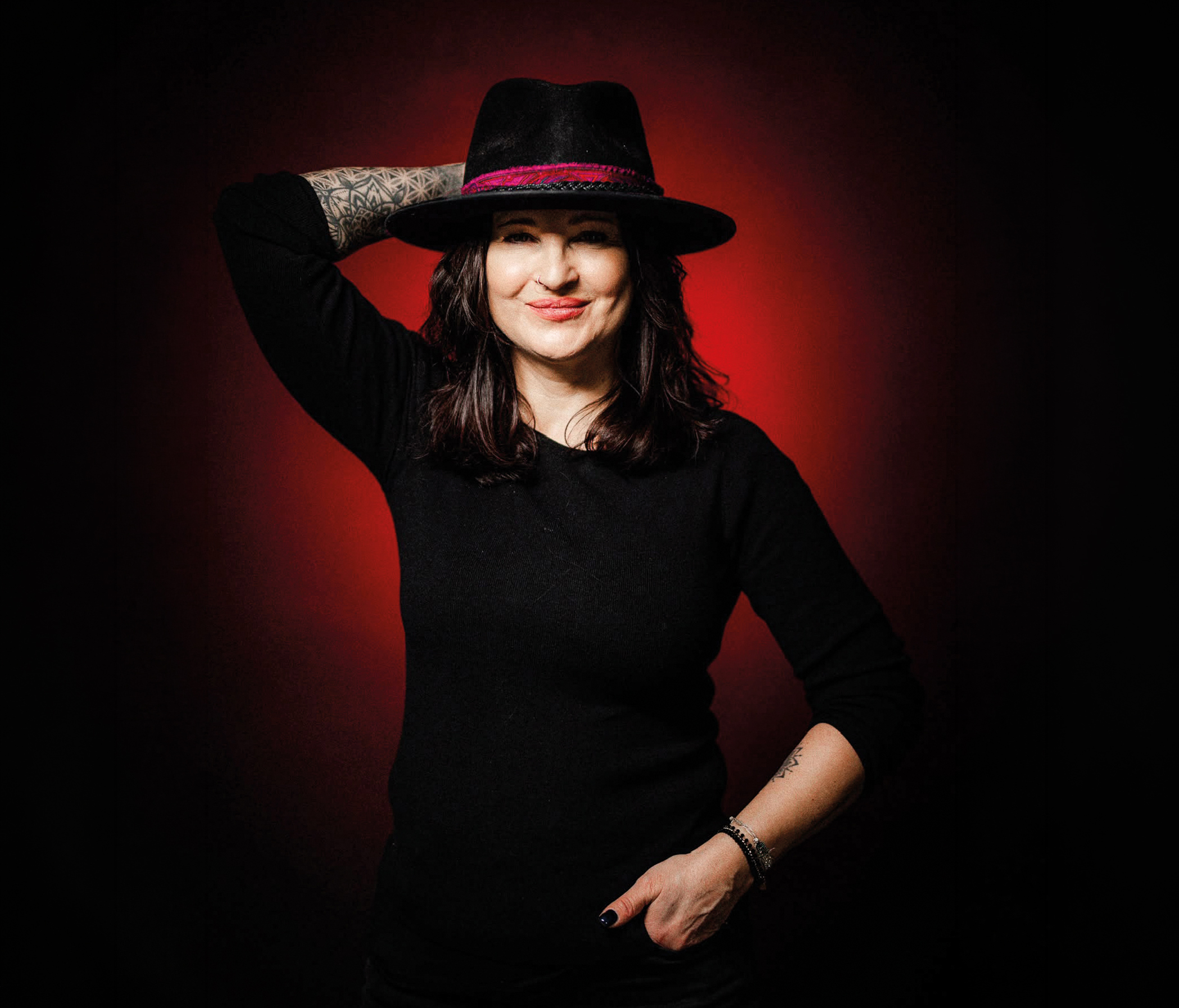
An interview with Joanna Zientarska, a radio and television journalist closely associated with the automotive world, about growing up in an open and welcoming home, family trips to car markets, finding her own path, and returning to the media. After many years at Antyradio, she has begun a new chapter at Eska ROCK, where she combines a breakfast show with the motoring programme Garaż (“Garage”). She also reflects on change, her relationship with listeners, motherhood, working with passion, and the dreams that should never be postponed. Joanna Zientarska has recently been awarded the title of Charismatic Woman.
Is charisma something we are born with, or can it be developed?
I am still not entirely sure what it really means to be charismatic. I think about cars in much the same way: some models become icons while others disappear, even though it is difficult to explain exactly what made the difference. Rather than seeing myself as a woman who has achieved fulfilment, I prefer to think of myself as someone who is still finding it. Fulfilment should not bring a person’s journey to a close; it should encourage further experience. As long as we wake up in the morning with something stirring in our soul and new ideas in our minds, it is worth continuing to act.
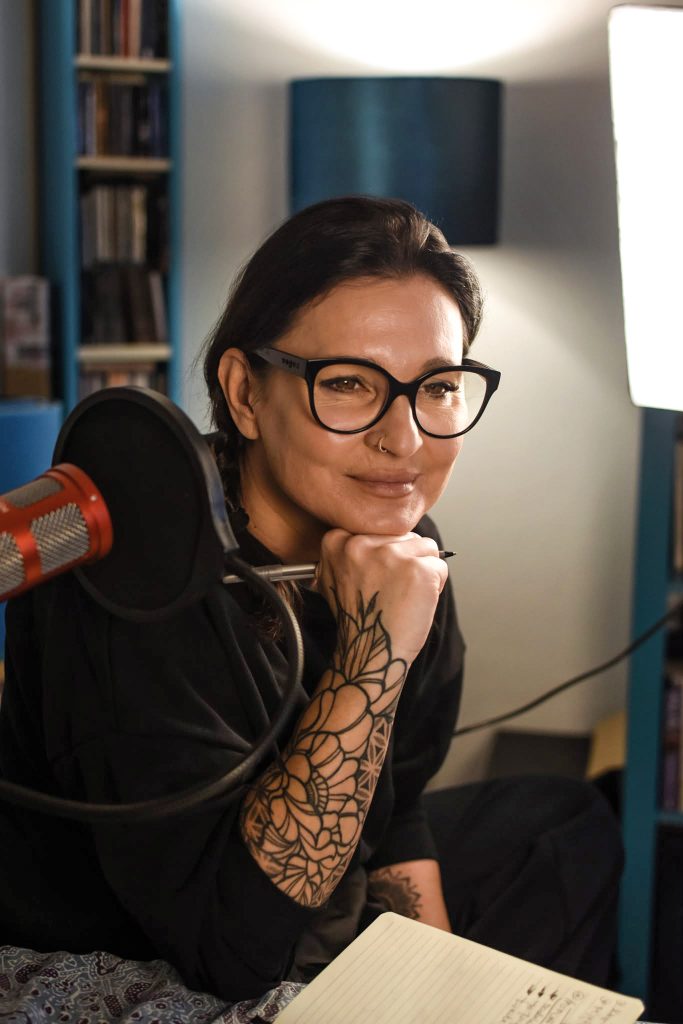
Do you create your own podcasts primarily out of a need for conversation?
Yes. I do not stop to consider whether they will bring popularity, money or impressive audience figures. I make them when I genuinely want to talk to someone. Even if only four people listen, but one of them is inspired to look at themselves or their life differently, then the conversation has already served a purpose. Knowing that we are here only for a while helps put our priorities in order. There is no point wasting time on things we do not truly believe in.
Did you fit comfortably within the school system as a student?
I was more of an outsider. I dressed a little differently, came up with various ideas and did not always know how to function within other people’s expectations. I attended Stefan Batory Secondary School in Warsaw. I was admitted after taking part in a Polish language competition and had a fantastic class, but the school system itself was difficult for me. I once skipped school because I had started reading Quo Vadis and wanted to finish the book. That was my idea of playing truant.
What troubled you most about that model of education?
The belief that everyone should fit into the same mould. Boundaries are necessary because they teach responsibility and show us where our freedom ends, but they should not suppress imagination. When raising my daughter, I did not want to teach her blind obedience. I wanted her to understand the rules, be able to make her own choices and not be afraid to try. We all make mistakes sometimes, but it is difficult to grow without them.
What was the home you grew up in like?
It was open and always full of people. My father lived and breathed television and motoring, while my mother was the editorial secretary of the monthly magazine “Literatura na Świecie”, which during the communist era gave Polish readers access to literature from abroad. Writers, translators, musicians and theatre people were regular visitors. Someone would sit down at the piano, someone else would sing, and conversations continued until morning. Thanks to that environment, I realised at an early age that the world has a million shades and that people can find fulfilment in many different ways.
Despite growing up in that environment, you did not initially choose journalism.
I did not want to take the easy route simply because my father was a journalist. I studied marketing and management because, in the 1990s, it seemed to be the field of the future. I worked for major advertising agencies and later for Twój Styl, where I managed promotional events and led a team. After my daughter was born, however, I did not want to return to a working life conducted at such a frantic pace.
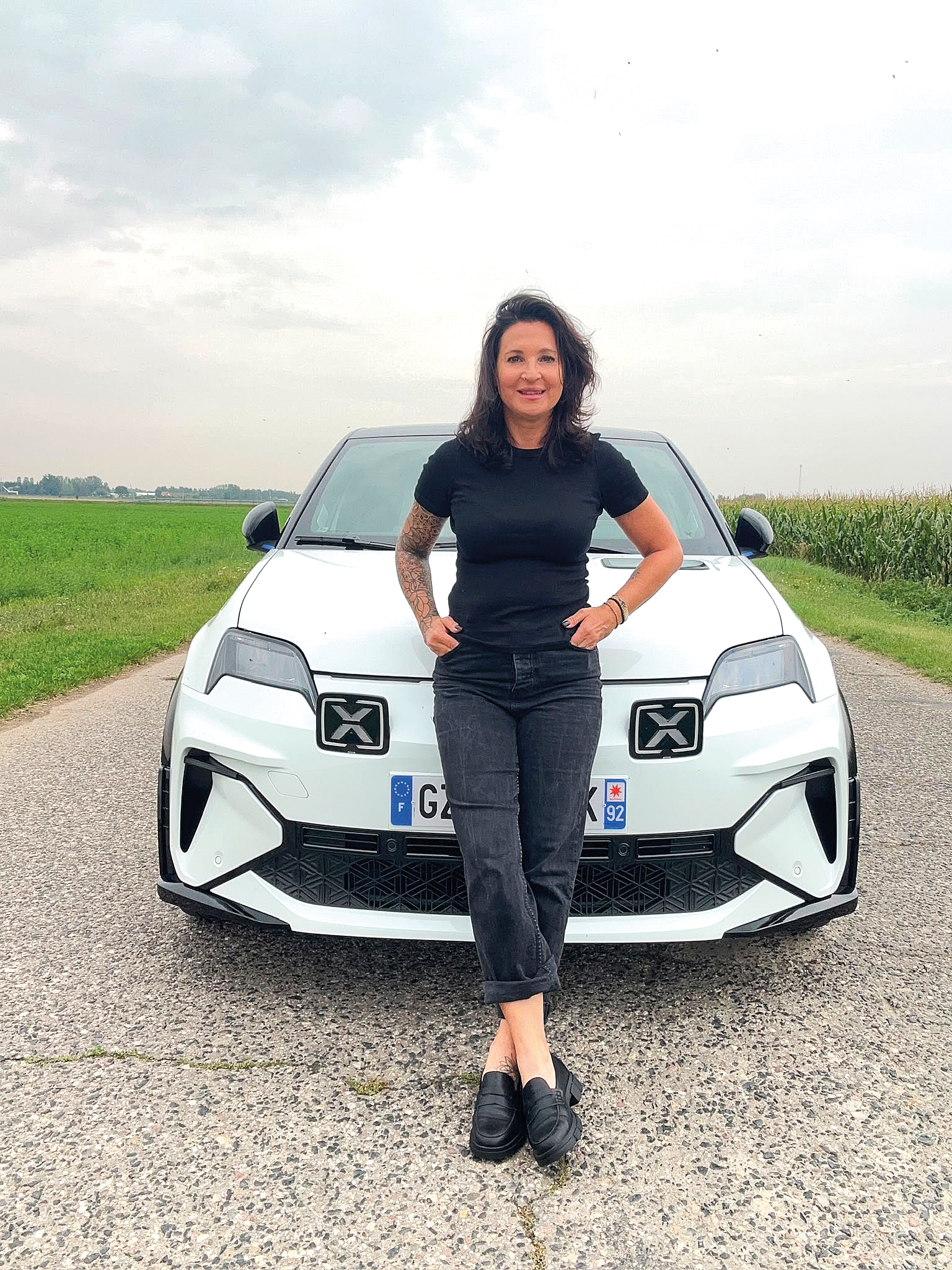
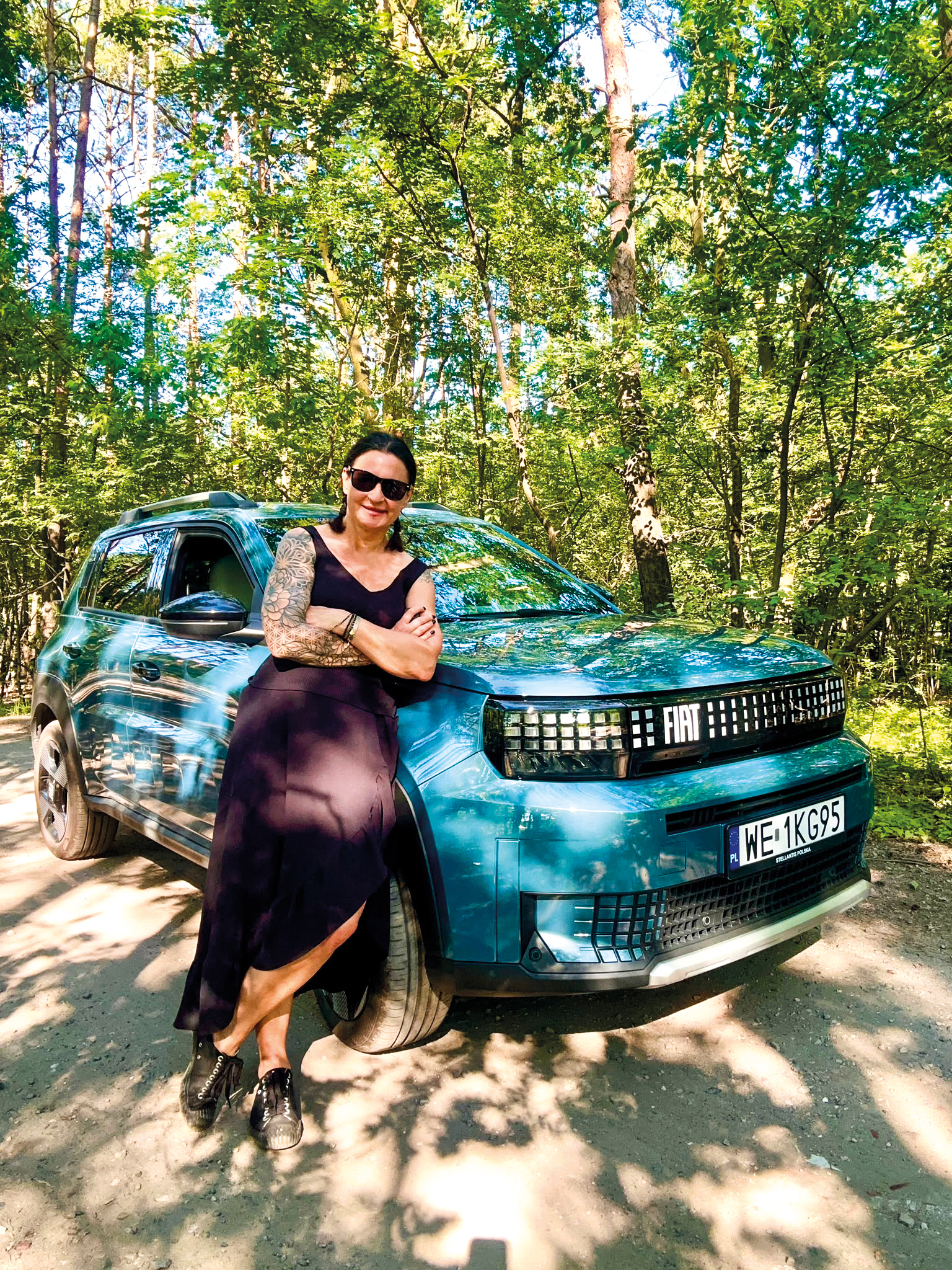
Was that when the television programme 4×4 came along?
My father asked me to help organise the production of 4×4 for Polsat. I was initially supposed to focus mainly on production and logistics, but I quickly felt that I had returned to an environment and a profession that genuinely belonged to me. I still needed to follow my own path first. Had I entered the media straight away, I would probably have spent a long time wondering whether life might have been better elsewhere.
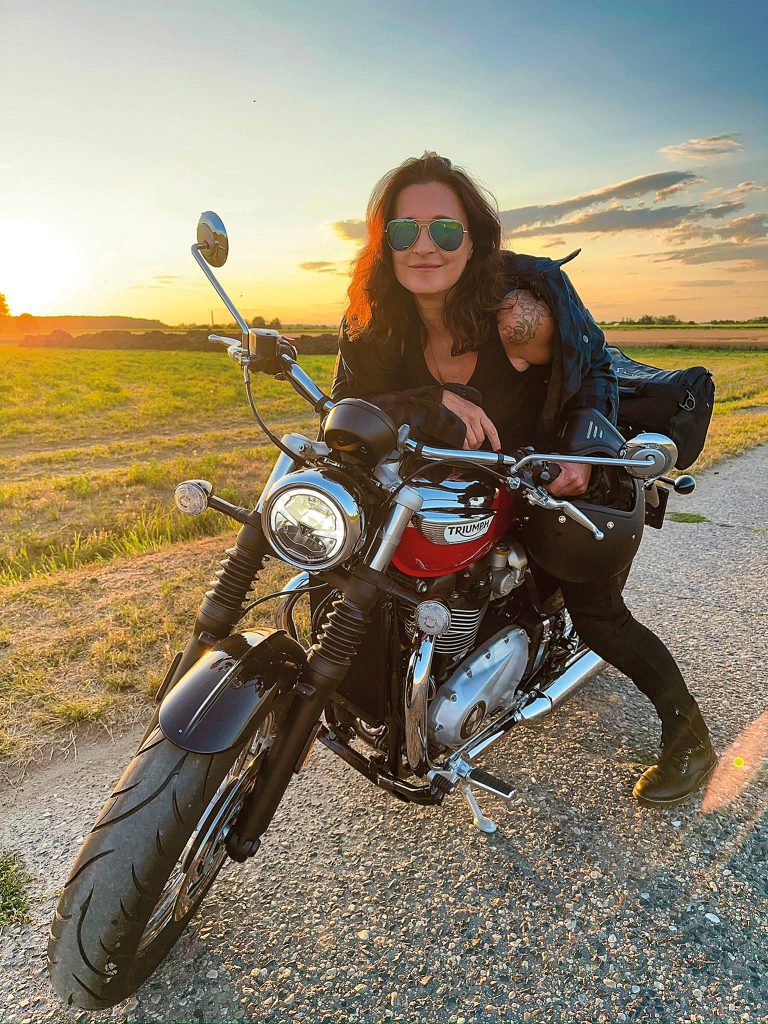
Motoring has been present in your life from the very beginning.
My brother and I practically grew up at car markets. Instead of taking a Sunday walk through Łazienki Park, we would go and look at cars. I soon learned how to judge how much body filler had been used on a Maluch – the iconic Fiat 126p – and whether it was worth considering. It was only at school that I discovered not every child loved cars. For us, motoring was the natural language of the family and part of everyday life.
Is there one car you consider your dream model?
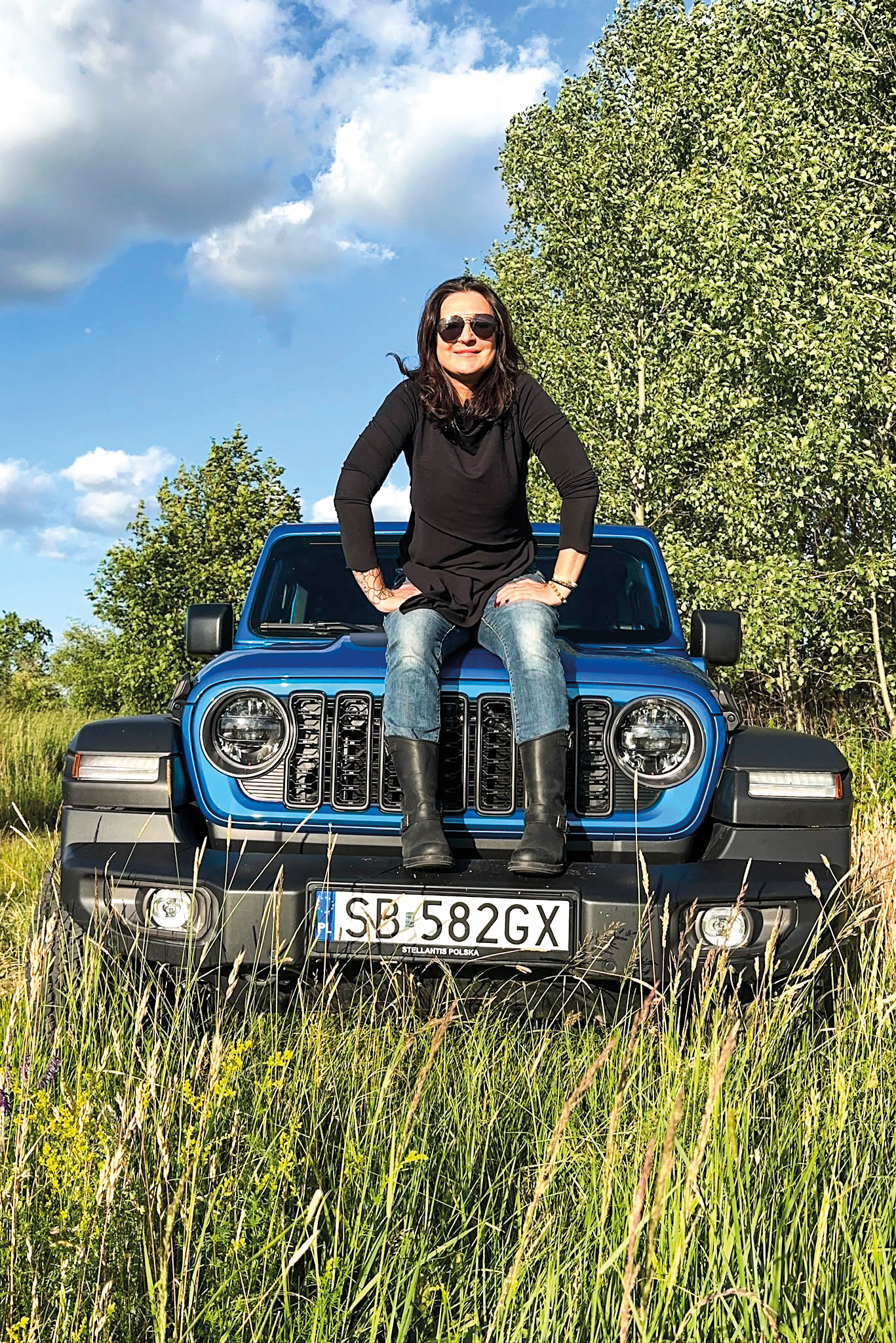
I do not like being asked to choose a single favourite model, because every car serves a different purpose. I have a tremendous soft spot for the Jeep Wrangler and believe I will own one someday. Testing cars has also taught me to keep material possessions in perspective. I remember driving an Aston Martin Vantage: the emotions were extraordinary on the first day, but after several days even that car began to feel familiar. We imagine that a dream possession will make us happy, yet over time everything becomes ordinary. We need to appreciate what we already have while continuing to hold on to new dreams.
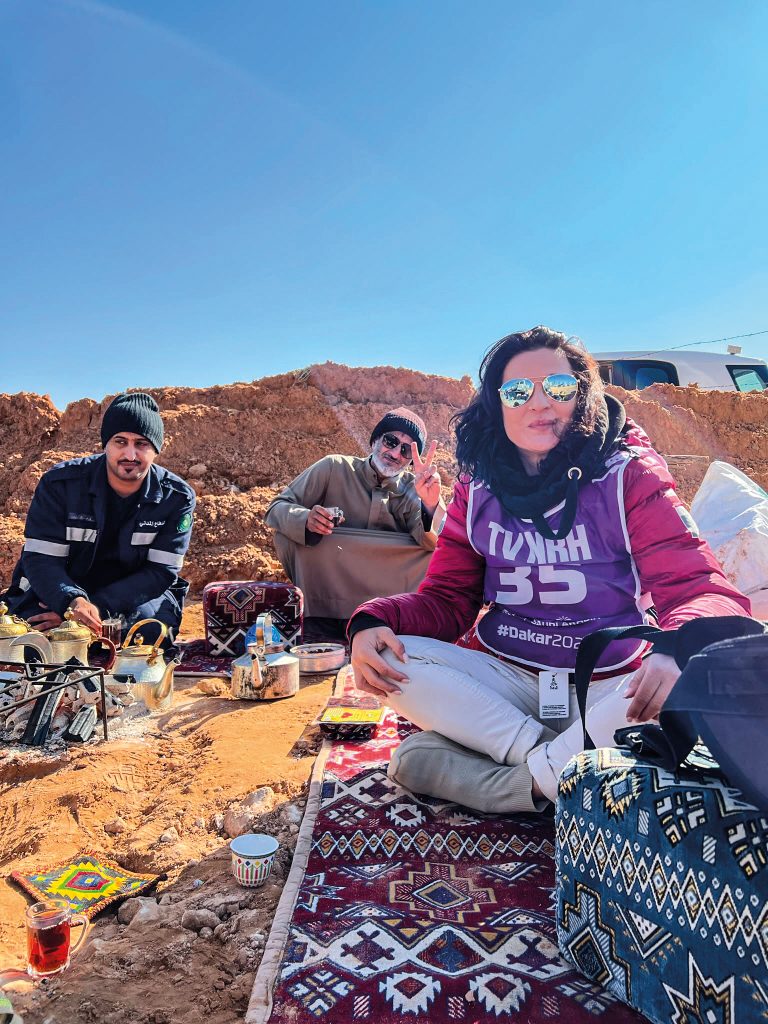
After many years at Antyradio, you decided to make a change. What was the most difficult part?
Antyradio had been my professional home for a long time, and the thought of change frightened me. I wondered whether I would find my place in a new team. At the same time, I could feel that I had become a little too settled and needed different stimuli. Change activates the brain and forces us to pay closer attention. Today, I am very happy that I joined Eska ROCK. I became part of a creative and supportive team, and it is people who ultimately create the atmosphere of a workplace.
How do your current programmes differ from one another?
The breakfast show is fast-paced, humorous and firmly rooted in everyday life. We talk about the issues people are interested in at that moment and wait for their reactions. I fulfil my passion for motoring through Garaż, which I create with Łukasz Bąk as both an on-air and online programme. Both formats are built around conversation, energy and curiosity about other people.
What is the greatest strength of live radio?
The immediacy of the contact. Listeners call us, share their own stories and allow us into their lives. It is a kind of magic that cannot be planned. The listeners matter most, not the presenters. It is not only about figures, but about whether we have something meaningful to say and whether anyone wants to hear it. Without another person on the other side, the microphone has no purpose.
What makes a good conversation?
A good conversation is not about mechanically working through a list of questions. It is an attempt to understand another person – their motivations and their values.
What are you most proud of?
My daughter. I raised Agata on my own, and I consider motherhood the most important and most beautiful role of my life. A professional career can bring many adventures, but this relationship is unique. I feel incredibly fortunate that today my daughter is also my best friend.
What does work mean to you?
Work helps us grow, teaches responsibility and builds character. There are, however, two conditions: you need to enjoy what you do and feel comfortable with the people you work alongside. Any profession can be pursued with passion – even tightening screws – provided you can see meaning in it. On the other hand, even the most fascinating work can be ruined by a toxic atmosphere.
What occupies your time outside work?
I read a great deal, from books that help me relax to those concerned with mindfulness, relationships and living in the present. My musical tastes are equally difficult to place in a single category. Rock and rock ‘n’ roll are close to my heart, but I also love reggae, classical music, Tom Waits and Nick Cave. I would also like to return to playing the piano. I gave up lessons as a child, my parents sold the instrument, and I came to regret that decision years later.
Which dreams would you still like to fulfil?
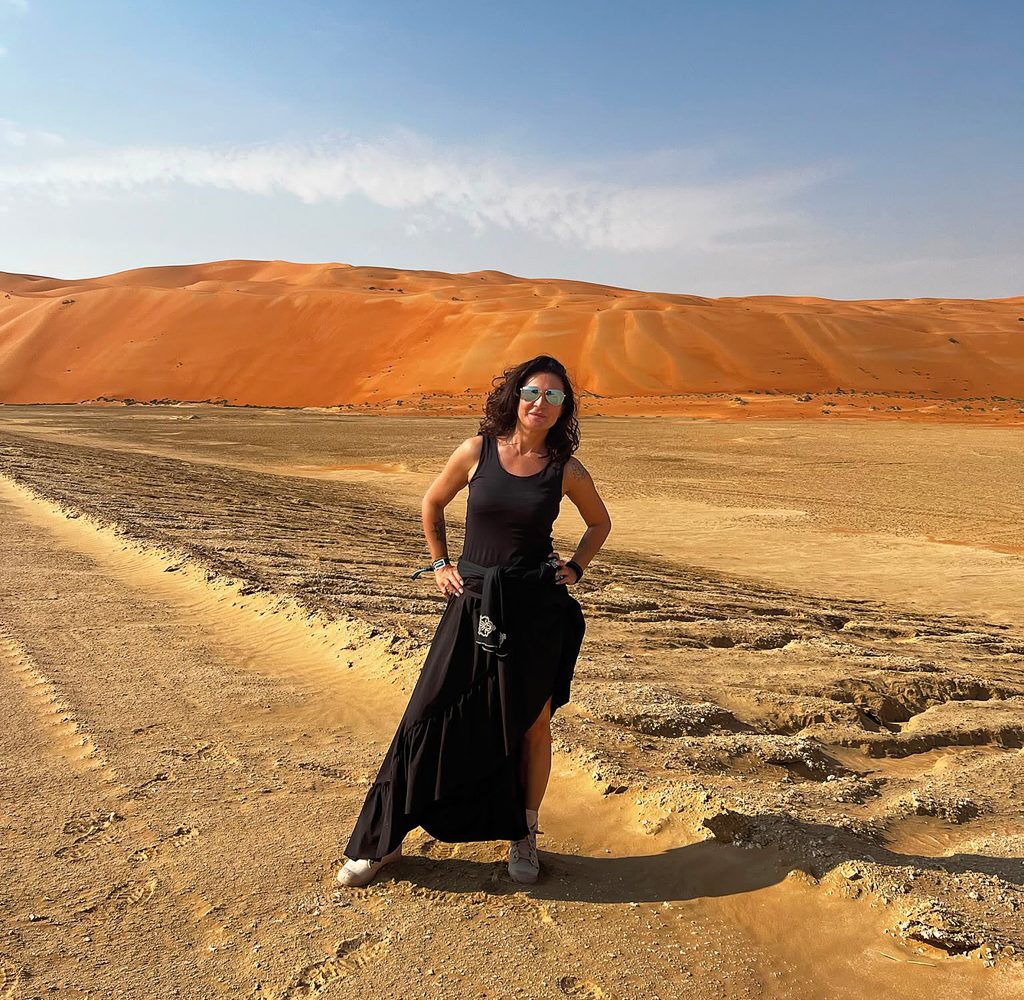
I dream of a small house by the sea, somewhere in southern Europe, of writing books and having time for my future grandchildren. I would like life to acquire a greater sense of calm and balance. My other dream is to take a long road trip across Europe, without rushing and without a rigid itinerary – with the freedom to turn off into a small town, stop wherever it is beautiful and experience the journey itself instead of constantly thinking about the destination.
Szymon Pęczalski
Beata Sekuła