

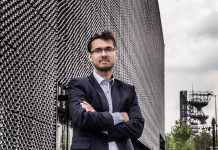



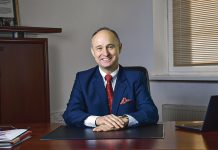









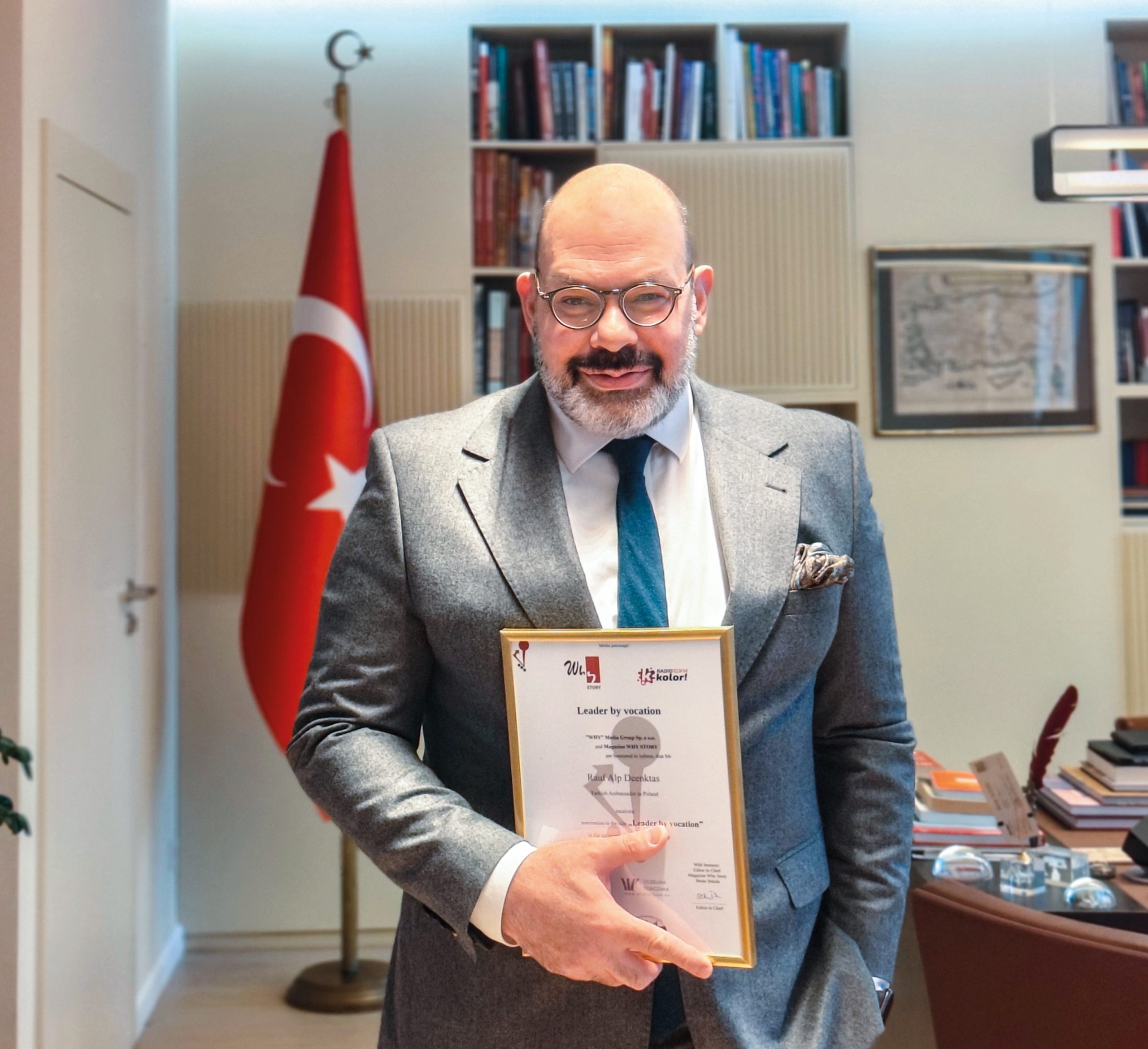
Poland and Turkey share more than six hundreds of diplomatic relationship. The initial centuries were a mixture of both friendship and competition. This is natural, as we are talking about the two biggest countries in Europe at the time. Still, there was mutual respect. The second half of Polish-Turkish common history, however, evolved around friendship and cooperation. This period is marked by the greatest examples of solidarity between the two nations. One of the most symbolic chapters is the partition years, when the Ottoman Empire persistently refused to recognize the partitions of Poland. In this interview, His Excellency Mr. Rauf Alp Denktaş, Ambassador of the Republic of Türkiye to Poland and recipient of the Leader by vocation distinction, speaks about history, diplomacy, culture, tourism and the work of forging stronger bonds between the two countries.
Mr. Ambassador, looking back at your school years, would you say leadership came naturally to you, or was it something you gradually developed over time?
I would rather say that I have always liked getting things done. I prefer a perfectly functioning, or at least a properly functioning environment around me. Of course, it is never a perfect world, and there are things you can change and things you have to accept. But when I see that something needs to be done, improved, or fixed, I get restless. Especially if it touches the lives of others, I find it difficult to remain indifferent. So, that is my motive. However, I believe leadership skills are more often acquired than innate. My first personal leadership experience came during my university years when I was elected student union president at Bilkent University, my alma mater. On the other hand, to get things done, you need a team. Today, there is a fashionable phrase for it – building coalitions. First, you need to build it within your own team to set targets and work to realize them. I enjoy working with others as part of a bigger group.
Polish-Turkish relations are often described as one of Europe’s longest-standing diplomatic relationships. What makes them so distinctive?
There are examples in our common history that I do not think one can easily find between any two other nations. One of them is the Ottoman Empire’s staunch refusal to recognize the partitions of Poland. For 123 years, the Ottoman Empire maintained a policy of recognizing Polish sovereignty as it had existed before the partitions. Many heroes of Polish independence, including Adam Mickiewicz and Józef Bem, found refuge in the Ottoman lands at the time. Polonezköy (Adampol) in İstanbul is a living tribute for that presence. I invite you to visit.
In the protocol of the Ottoman palace, there was always a place for the absent Polish ambassador. The Chief Chamberlain would call out „the Polish Ambassador” three times during ceremonies and then announce „he is on his way,” reflecting the Turkish policy of that period.
That „Polish ambassador” was back in Türkiye in 1924 after Poland became the first European state to recognize the newly emerging Turkish state, signing the Treaty of Friendship with Türkiye in Lausanne. This is what I call solidarity. It still constitutes the basis of our relations today.
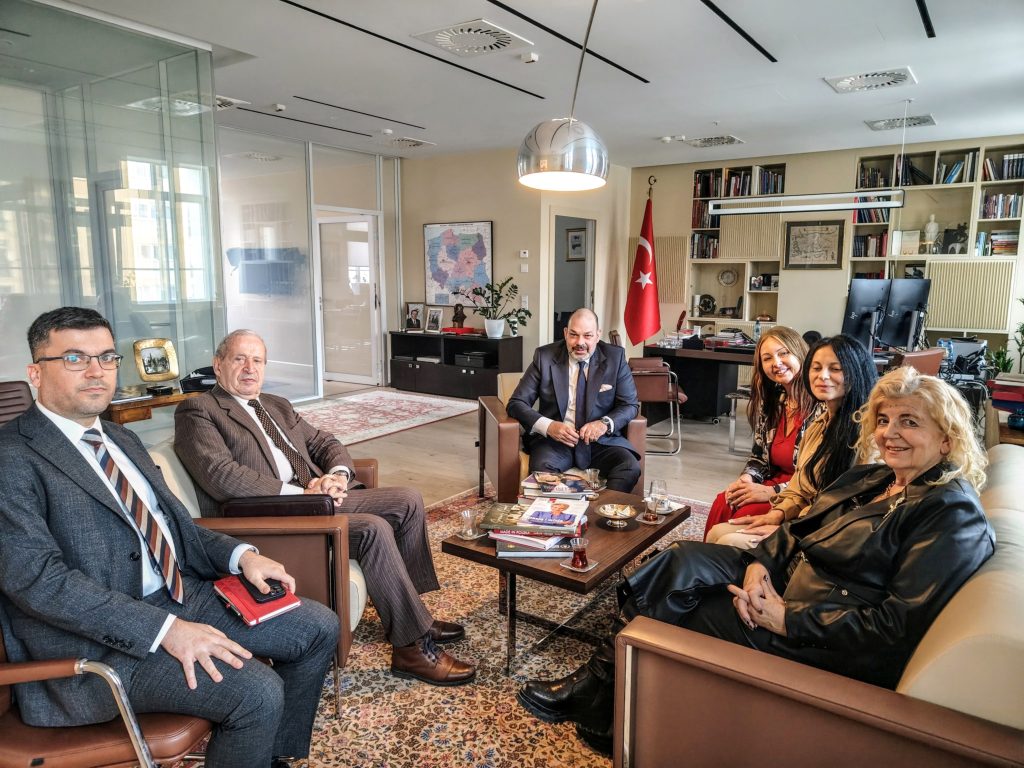
How do you define the role of an ambassador today, especially in a country with which relations are so positive?
Even when relations are positive, the work does not become passive. First, the momentum needs to be maintained. A positive relationship gives you the space to build even stronger and deeper bonds. We have achieved a historic high in our bilateral political and military cooperation with Poland. Great! I am very happy about it. But your job is to carry this momentum to even higher levels and expand it to other areas. You should also establish open channels of dialogue based on trust. When disagreements arise, a diplomat must be able to explain their country’s position clearly and protect their country’s interests effectively, but also be mindful of the considerations of the other side. In this line of work, empathy is essential, not optional. I am happy to say that my work in Poland has almost always been shaped by a positive agenda and these principles I just mentioned.
Before your posting, Poland was not a country you knew closely. What surprised you most after arriving here?
Poland, was, in a sense, unknown to me. But we – Turks grow up with a considerable sympathy and respect for Poles, whom we call “Lech” even before actually seeing one. It is most probably a reflection of our past exchanges and the stories passed on from generation to generation. As for the country, despite I had not visited it myself, I was well aware of Poland’s pace of development and growing importance. But what I saw with my own eyes exceeded my expectations. I think Poland is an underrated country. You have so much to offer: the Baltic coast, the lakes, the Tatra mountains, green spaces and beautiful cities with remarkable architecture and infrastructure. Honestly speaking, I admit that Gdańsk is a very special Polish city for me. Next to Istanbul, it has become my favorite city in the world. It is picturesque, but also vibrant economically. It is not only a monumental place; it is alive. I also enjoy living in Warsaw very much. So does my family. It has become a second home to us.
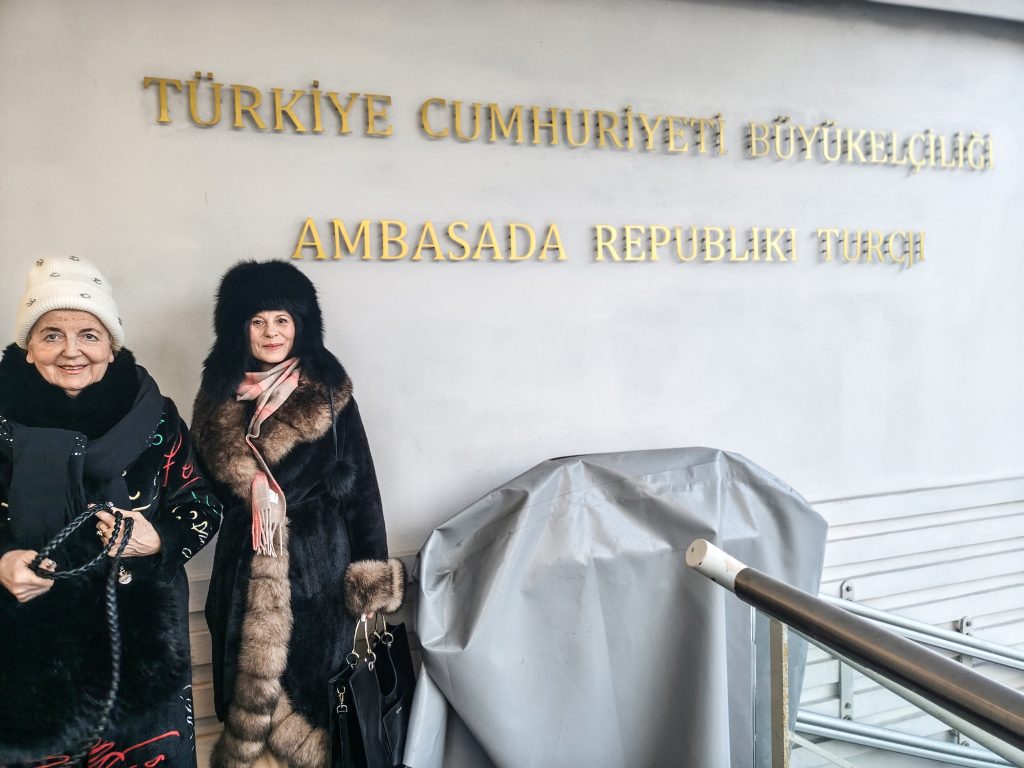
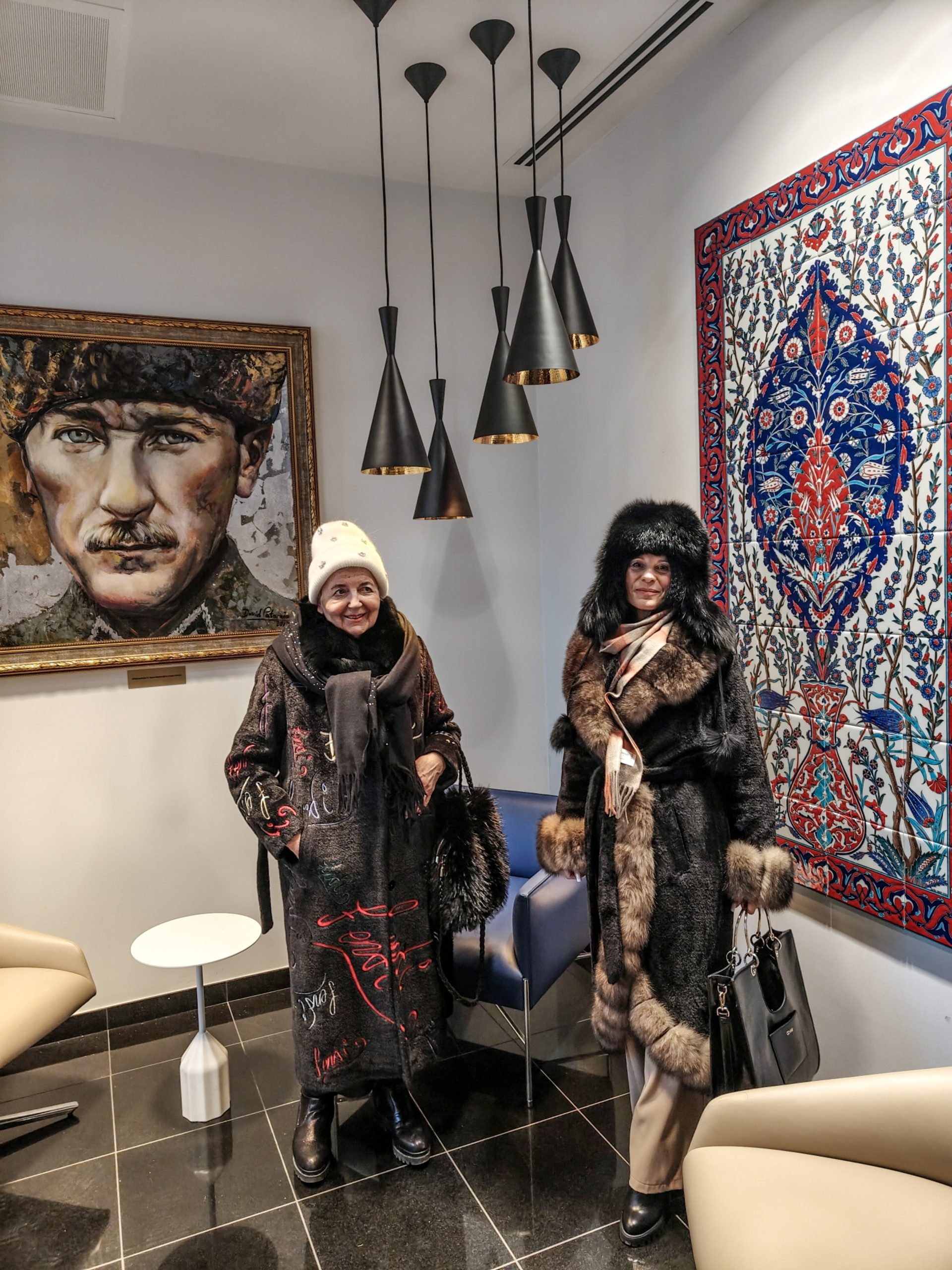
You spoke with great appreciation about Warsaw’s reconstruction and Polish resilience. Why did this make such an impression on you?
For a diplomat, Warsaw’s reconstruction is deeply moving. It shows resilience. It says: we do not give up, we rebuild and we thrive. That is a character trait I believe Poles and Turks share.
Poland rebuilt itself after enormous suffering. And not only once. Türkiye also emerged from a devastating war and occupation in the first World War, then fought for independence and built a new, modern republic. These are different histories, but there is a shared spirit: the resilience, the refusal to disappear, the love for freedom, the determination to stand up and flourish.
Which areas of Polish-Turkish cooperation have the greatest potential today?
In every area, really. Our daily work is to build cooperation wherever either side has something to contribute. This spans from the defence industry to scientific and educational cooperation, from the exploration of the Arctic and Antarctica to satellite communications. Also, border security, e-government, archeology… There is so much potential in a wide range of areas.
For decades, geopolitical patterns were relatively stable and, hence, predictable to some extent. It’s turning into a different world now and it is happening quite rapidly. Against this backdrop, Türkiye and Poland would like to stand closer together. Their cooperation principle is simple: each side brings its comparative advantage to the table. In some areas we can learn from Poland. In some areas Türkiye has the experience and capabilities that may be useful to Poland. The goal is to bring these strengths together and use them for mutual benefit. All of this will transform our historic ties and our present cooperation into a tightly-knit partnership in the coming decades. Let us not forget that Türkiye and Poland are the two biggest NATO armies in Europe and the 17th and 20th biggest economies in the world. So, this is something that is being watched closely.
Türkiye has undergone a remarkable transformation over the last century. Which achievements are you most proud of?
I am proud of my country’s achievements. Like Poland, Türkiye suffered enormously during the First World War. Our homeland was occupied by several powers simultaneously. Then came our war of independence led by Atatürk and his comrades.
Over the past century, Türkiye has transformed itself from a largely agrarian society into a major industrial and manufacturing country, a member of the G20. It has developed machinery, automotive production, electronics, household appliances and, increasingly, advanced technologies. The success of our defence industry is representative of this development. I should also mention the massive transformation in infrastructure. Those of you who’ve travelled to Türkiye have seen it first-hand. I am happy to see some of the companies that have taken part in Türkiye’s development, are also contributing to strategic transformation of Poland through building metro-lines, bypasses, powerplants and floating LNG terminals. These are a great source of pride for me.
Many Poles know Türkiye mainly through holidays on the coast. What would you like them to discover beyond the resorts?
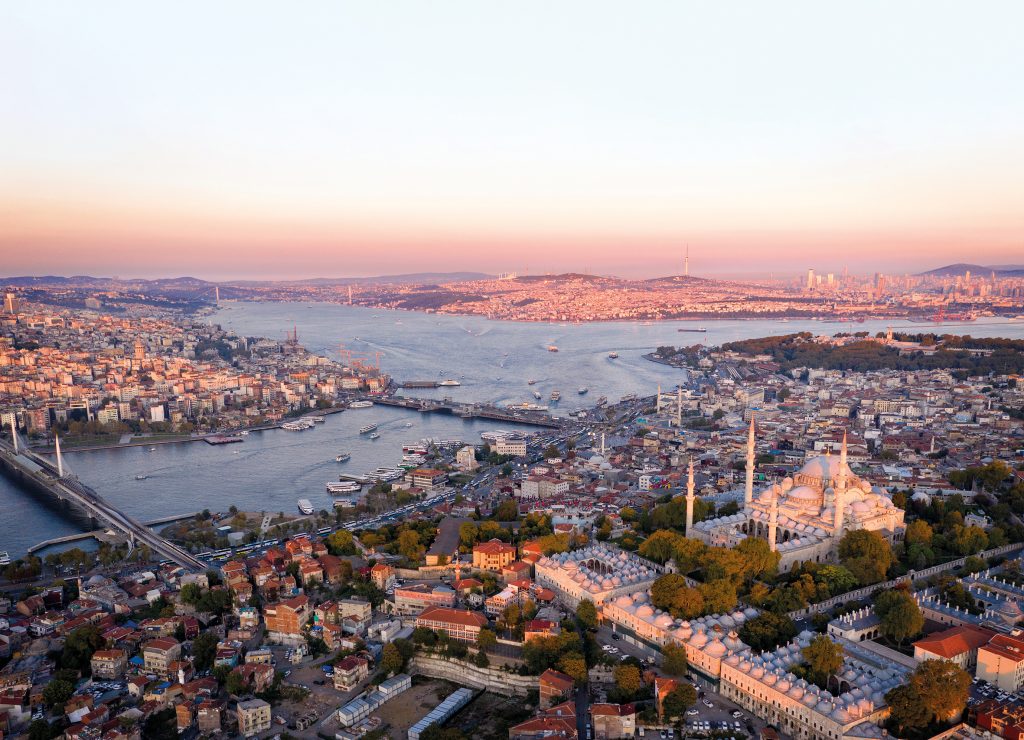
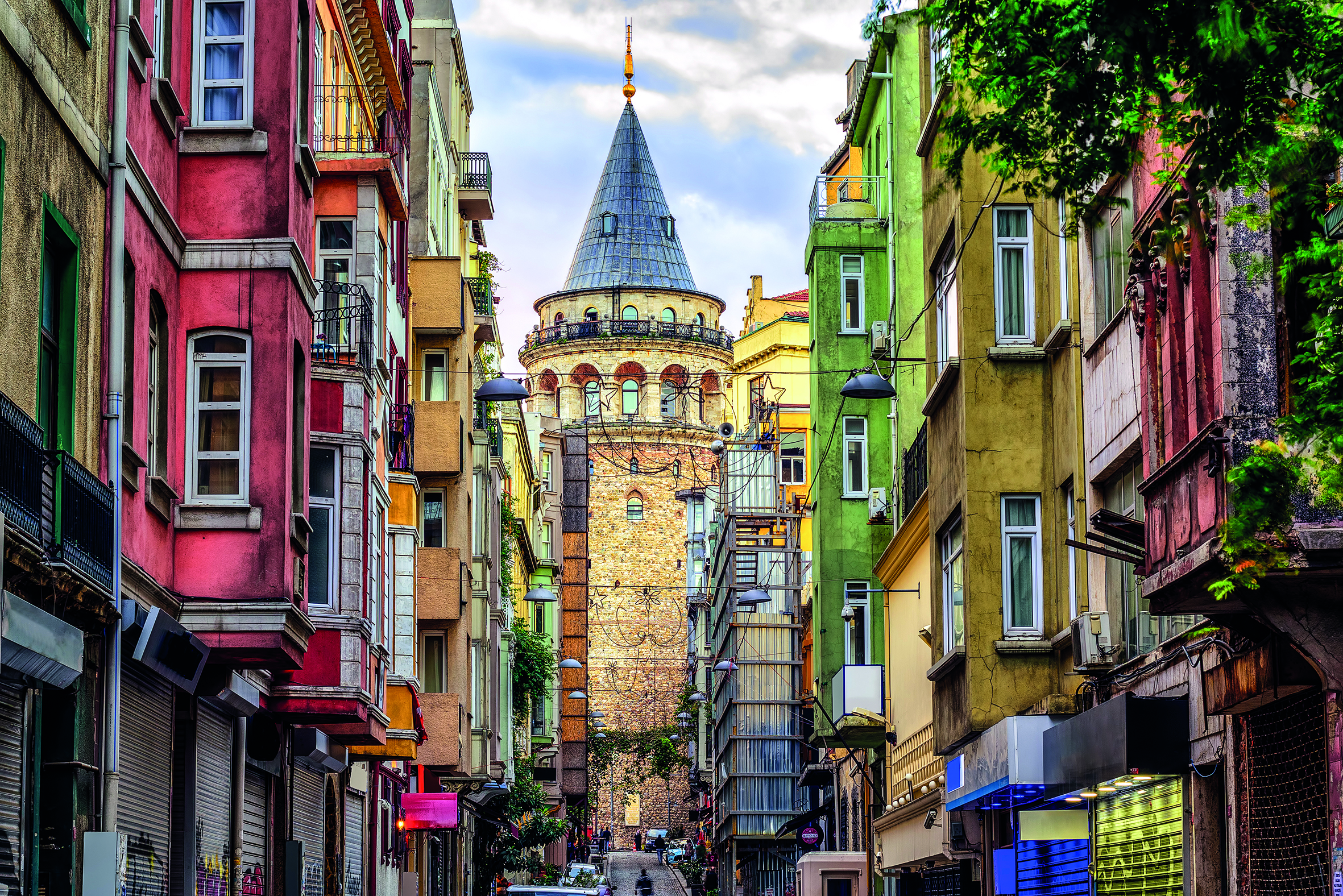
Istanbul. There is no city in the world quite like it. As it was the capital of three empires, you live among ruins, mosques, churches, palaces, water channels and layers of history. At the same time, it is not a city frozen in the past. It’s airports, bridges, hospitals, vibrant economic, intellectual, and artistic activity turns it into a unique blend. A must-see.
For those visiting, I would advise them not to rush. You need five or six days. I would begin with Hagia Sophia, then Topkapi Palace, the Bosphorus and the museums. Cappadocia is also extraordinary, one of the most striking and beautiful landscapes one can ever see. One of my personal favorites is Rize on the Black Sea coast. Türkiye also contains a great deal of Christian heritage. It is, in fact, a cornerstone of Christian history, offering profound pilgrimage routes and archaeological wonders. Key highlights include the Seven Churches of Revelation in the Aegean region, the House of the Virgin Mary in Ephesus, and St. Peter’s Cave Church in Antakya. And İznik (Nicaea), we can’t forget the site Pope Leo XIV travelled on his first visit abroad. The Pope was there to commemorate the 1,700th anniversary of the First Council of Nicaea.
Culture and tourism often build strong connections. Why are they so important? Who are your favorite artists?
Culture opens a deeper conversation than official declarations. If we speak about literature, I would mention Ahmet Hamdi Tanpınar and Yunus Emre. In visual arts, Osman Hamdi Bey and Fahrelnissa Zeid are very interesting figures, and in contemporary art Refik Anadol is a fascinating name. On the Polish side, I am fascinated by Jacek Malczewski’s paintings on Anatolia and the works of Adam Mickiewicz, who, by the way, stated „In times when no other country objected to Polish repressions from hostile neighbors, the only friendly people were the Turks.” That friendship is very much alive today.
Tourism is important economically. Türkiye receives over 50 million tourists bringing over 50 billion US dollars revenue each year. From Poland we received close to 2 million visitors last year. But what interests me even more is the people-to-people interaction it creates. Every Polish tourist who goes to Türkiye comes back with a different perception of the country. It can be a student, a politician, a professor or a family on holiday. After that trip, they often return with more respect and understanding.
Looking ahead, what are your main priorities for the next stage of your mission in Poland?
We have achieved a strong momentum in several areas of cooperation. In many respects, our relations are already where I had hoped they would be. Now there are two areas where I would like to focus more: economy and culture.
Our economic cooperation needs more work. We have a new target of 15 billion US dollars bilateral trade volume declared by our leaders. Despite some global and local protectionist tendencies, our economic relations should catch the pace of our political, diplomatic and security cooperation. As two economies among the global top twenty, I believe there is a great potential that needs to be tapped.
In terms of culture, I believe there should be more cultural interaction between our peoples and we do not have enough symbols, monuments, reminders of our centuries-long history of friendship and solidarity. I will work harder to fill that gap.
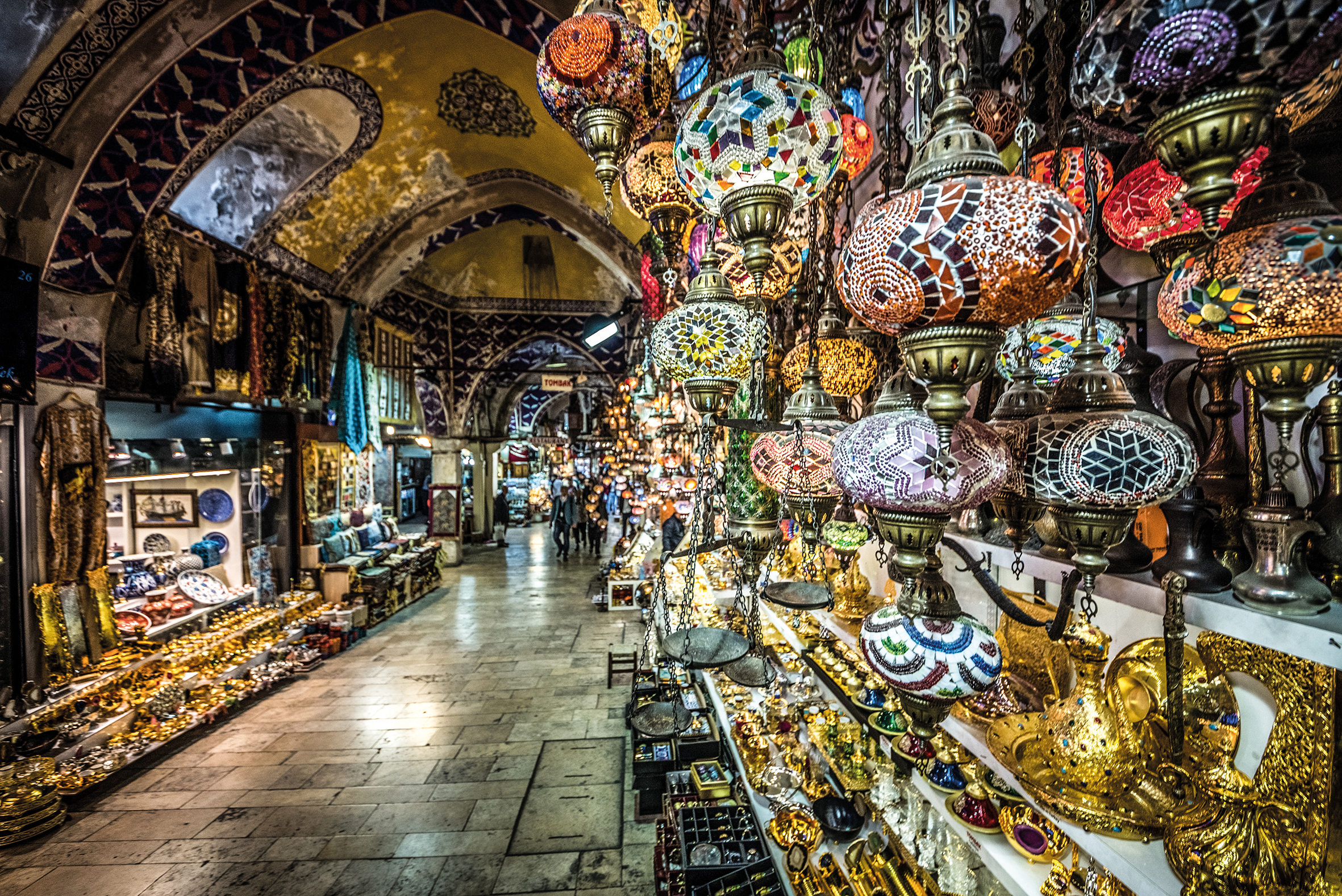
The Grand Bazaar in Istanbul, fot. AdobeStock
What would you like Polish visitors to bring back from Türkiye, apart from memories of a good holiday?
I would wish them a good trip and good memories, of course. Poles are a hard-working nation. They deserve good vacations, and Türkiye is the perfect place to get that. But not only in the sense of having a good time. I would like them to bring back memories that make them think about our friendship and our common past. I would like them to look at the future with the same sense of understanding and friendship.
Szymon Pęczalski
Beata Sekuła