












































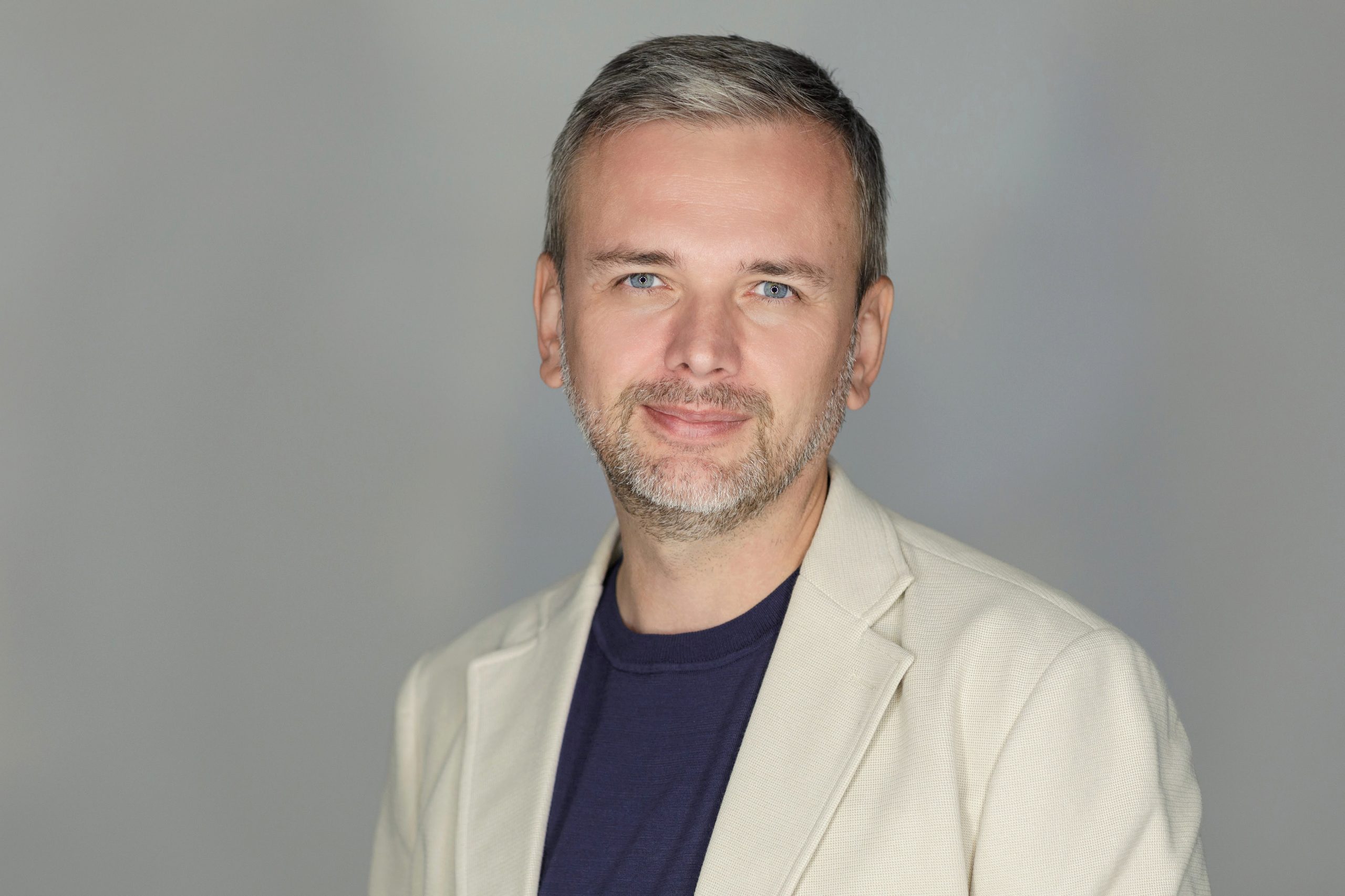
An interview with Prof. Grzegorz Mazurek, Rector of Kozminski University – a university repeatedly recognized in the Financial Times rankings and acknowledged as one of the leading business schools in Europe – about educational quality based on the highest standards, the importance of the exchange of energy within an academic organization, and the need for continuous development. We also discuss internationalization, strategic partnerships, degree programs and corporate programs offered by the university in Warsaw and Katowice, as well as the role of scholarships, endowment capital, and a long-term approach to education. The Rector of Kozminski University has been awarded the title of Leader by Vocation.
Professor Mazurek, were you born a leader, or did you become one?
I strive to be, above all, a humble person. If we think of a leader as someone gifted with supernatural abilities, I am very far from that. I often wonder—and I know this is a common syndrome—why I am where I am and what I’ve done to deserve it.
I can, however, say one thing about myself: I’m authentic and fully committed to the vision of Kozminski University. Perhaps what sets me apart is my complete identification with the university’s mission and my commitment to the ideas and dreams we pursue together. I believe this attracts people and creates a unique energy—one that we not only share with one another but also draw from one another.
The university’s success is driven by an entire team of people who believe in the same things I do. These are people willing to roll up their sleeves and take on challenges that many consider too difficult, or even impossible. Yet we consistently pursue them. These efforts are confirmed by the Financial Times rankings, including the recently published Masters in Finance ranking, in which our program maintains its leading position in Central and Eastern Europe, and the Executive Education ranking, which covers development programs for managers and companies. It gives us immense satisfaction that in these rankings we outperform many universities widely regarded as being among the best in the world.
Our ambition is to truly transform the economy, business, and institutions, and to bring about a qualitative change that ensures Poland not only adapts to global standards but also co-creates and sets them. This requires continuous development, and this—in my opinion—is the only path that enables us to survive and succeed. In fact, it has always been this way.
So courage is important here?
Absolutely. It’s about going beyond established patterns, stepping out of one’s comfort zone, and challenging the status quo. These are qualities that I consider crucial today—both for organizations and individuals. Knowledge alone, while still incredibly important, is no longer enough. The ability to change one’s mindset and remain open to new perspectives is equally crucial.
Responsibility is one dimension of leadership understood in this way. Is that why you offer, among other things, programs dedicated to sustainable development and responsible business?
This is one example of our approach to sustainable development. We offer a wide range of programs devoted to this topic, but what matters most is who is behind them. The driving force behind these programs, Professor Bolesław Rok, has been involved in this field for over 25 years and is a leading authority on responsible business.
Educational programs can be designed in many ways. You can respond to passing fads and launch programs simply because a topic is popular. We operate differently. Our programs are developed by people who have been co-creating and setting the direction of development in their disciplines for years. We do not follow trends; we co-create them.
This same approach guides our strategic partnerships for sustainable development and for building a global innovation ecosystem. Kozminski University is a member of the AERO network – the Alliance for Environmental Response in Business Schools – and one of its founding members. This is a good example of a situation in which a university not only talks about responsibility but also holds itself to the same standard it teaches students and managers to uphold. Responsibility cannot be part of the curriculum alone. It must also be part of the institution’s operating model.
Are new programs developed by a dedicated team, or do they emerge from a broader discussion?
It usually starts with one or two people who are experts in their field and have an idea for a new program. Of course, such a project then goes through subsequent stages of the decision-making process, as well as formal and regulatory procedures. However, the most important thing is that someone takes responsibility for it and has the determination to see it through.
Do these people hold specific positions, or are they lecturers and deans?
Most often, these are people who combine multiple talents and competencies. These programs are not driven by anonymous teams or short-term market decisions, but by specific experts who have been developing their fields for years, hold a strong position in their fields, and are able to translate scientific knowledge into real educational value.
The aforementioned Professor Bolesław Rok is an outstanding scholar, an excellent manager, and one of the most important authorities in Poland in the fields of responsible business and sustainable development. Dr. Lidia Czarkowska has long been recognized as a leading expert in coaching, psychology, and mentoring. Professor Aleksandra Przegalińska, in turn, is a charismatic leader in artificial intelligence and a renowned researcher. These individuals—like dozens of others—perfectly illustrate how we think about developing educational programs. First, there is a person with knowledge, experience, energy, and a sense of responsibility for a given area. Only then do we create a program that can meet the real needs of students, managers, and the market.
They all have one thing in common: they want to do more than pursue their own professional goals. The greatest satisfaction comes from sharing knowledge, experience, and what we do best. This is precisely the mission of the university.
Does this mission also translate into broader access to education?
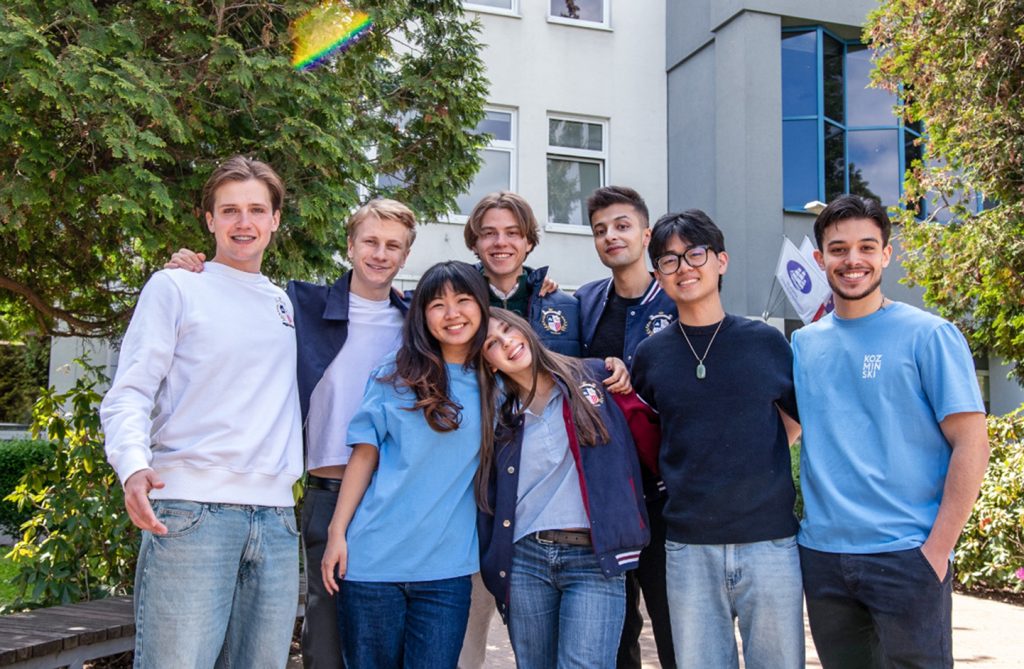
Absolutely. When we talk about the mission of a university, we cannot reduce it solely to high-quality programs or rankings. A private university that takes a long-term view must also ask how it can broaden access to education for people with the greatest potential, regardless of their background. Therefore, expanding the scholarship system is a key element of our policy of openness and internationalization. At the systemic level, such actions contribute to equalizing educational opportunities and building human capital.
This is precisely why endowment capital is so important to us. Kozminski University is the first university in Poland to establish an endowment fund. This solution allows us to think about development in the long term – about scholarships, supporting outstanding students, developing academic staff, attracting talent from Poland and abroad, and financing research and innovation projects. Our patrons, strategic partners, and supporters are helping us bring this vision to life: Paweł Jarski and Elemental, Millennium Bank, EY, ERGO Hestia, TDJ, Dantex, and Auto Idea Mercedes-Benz.
Can you tell us what topics you explored in your academic work?
I must admit, no one has ever asked me that question (laughter). My master’s thesis focused on transformation processes at Tonsil, a Polish audio equipment manufacturer. I analyzed the company’s transformation and the phenomenon of brands originating from the socialist economy era. I was interested in what happens to iconic post-socialist brands after the political transformation – whether they were able to navigate the new realities and continue to function in the market.
Later, I went to study in the Netherlands. This was nearly thirty years ago, when the world still clearly felt the divide between East and West. At that time, the topic of the internet’s impact on the economy was emerging at Tilburg University. For me, it was a turning point that set the course for my future academic career.
My doctoral dissertation focused on building competitive advantages among publicly traded companies in the new economy. My habilitation thesis focused on networked value creation, and the subsequent stages of my research focused on digital transformation and the impact of new technologies on organizations and management.

So, was the university fortunate to have someone at the helm who combines scientific knowledge with experience in management, marketing, and communications?
I am a proponent of the thesis that leadership and managerial competencies stem largely from personality traits and the experiences we gain at various stages of life. I have worked at many institutions, but it was not until I arrived at Kozminski University that I felt that this was my place. I understand my role as one of service to the idea created by Professors Andrzej Kozminski, Witold Bielecki, and all those who built this university from the very beginning.
Did you graduate from the Poznań Academy of Economics?
Yes, I graduated from the Poznań Academy of Economics, now the Poznań University of Economics and Business. I also studied at one of the leading European business schools – Tilburg University, which – symbolically for me – is currently ranked lower than Kozminski University. I defended my doctoral dissertation at the Warsaw School of Economics and joined Kozminski University shortly thereafter. It was here that I further developed my academic career, obtaining my habilitation degree and the title of professor. I also completed numerous research fellowships – from France and Great Britain to Iceland, Peru, and South Korea. Thanks to this, I had the opportunity to become familiar with many universities and the various models of higher education.
And what, in your opinion, helped you obtain the title of professor at such a young age?
I was 42 or 43 when I received the title of professor awarded by the President of Poland. I believe it was proof that Polish academia is not as stereotypical as it may seem and that it is open to new ideas. It turned out that it is possible to progress quickly in an academic career – and there are many people who receive the title of professor at a relatively young age. Above all, one needs to demonstrate substantial merit in one’s own academic work.
And what kind of personality is useful for a leader?
I think that, above all, a desire to develop is useful, combined with a willingness to function in various situations and conditions, because this builds a person who, over time, becomes a leader or manager. Gaining experience in different environments and situations is very helpful.
As for myself, I have an almost obsessive tendency to improve, streamline, look for areas for improvement, and challenge the status quo. I would never say that we know everything about Kozminski and that one should simply rely on the university’s legacy and ready-made solutions.
Education and development are among the areas that are changing incredibly dynamically today, which means that the institutions and universities that provide this kind of value must also constantly transform. This, by the way, clearly demonstrates how we think about leadership and action in practice. Leadership is not abstract – it manifests itself in concrete decisions, in the ability to go beyond established patterns, and in the willingness to take on new challenges where a real need for change arises.
An example of such a step is the launch of our Katowice branch with a completely new operating model. On the one hand, this is a response to the very specific needs of the region – the companies operating here and the people who need top-class management education today. On the other, it’s the result of thinking about education in a partnership-based and more flexible manner than before. In Katowice, we offer postgraduate programs and an MBA program in strategic collaboration with TDJ and Tomasz Domogała, Chairman of the Supervisory Board of TDJ, leveraging, among other things, our expertise and our partner’s infrastructure. The first cohorts will begin their studies after the summer break.
So will these be advanced programs – more leadership-oriented, covering postgraduate programs and an MBA?
Yes, and these are programs focused directly on the region’s needs, namely economic transformation and digital competencies related to, among other things, artificial intelligence and leadership in the broad sense. Currently, the offer includes six programs, comprising postgraduate programs and an MBA, which – as we can already see – are very popular. Perhaps in the next step, we will also launch bachelor’s degree programs in Katowice.
How long do these programs last?
The MBA program lasts two years and is conducted in a classic weekend model. In Katowice, we will operate similarly to our existing campus in Warsaw. The offer is aimed both at individuals and at companies that want to develop the competencies of their managers and entire teams. Kozminski is known for its attractive offering for businesses – organizations are willing to entrust us with the development of their teams and management staff. Lidl, Biedronka, Maspex, and Dell are just a few examples of companies that partner with us to deliver programs for their leaders, managers, and employees. Today, this is also an important offering for the Katowice market, as it allows for the development of top-tier management competencies closer to where local companies and leaders operate.
What is the format of the programs? Can it also be hybrid?
For development programs for businesses, we create tailor-made solutions, as the company itself largely determines the best education model for its employees. We rarely recommend online formats; we encourage in-person meetings. I remember a company whose employees strongly favored the online format, and after the first two hours of in-person classes, everyone confirmed that the in-person format was a very good decision.
What are the benefits of in-person programs?
Above all, the human dimension is crucial. I believe that half the value we derive from various educational and development programs comes from the energy that is created between people, from the “sparks” that fly. When representatives of different departments discuss common problems with each other, because they have not had the opportunity before, education takes on real meaning.
It’s similar in traditional classroom-based programs – when 30 people from different industries meet in one room, a simple coffee during a break often has enormous value, because it turns out that someone from the automotive industry is facing challenges similar to those of someone working in fast-moving consumer goods. They can then exchange experiences and inspire one another. The first, fundamental value is created by the program instructors and participants. The second comes from what happens between them. Online, this is definitely more difficult.
At the same time, I see the advantages of online programs, as they provide access to high-quality education and allow for time and cost savings. The online format works best for workshop-based, tool-focused programs – especially in IT, certification, and technology – which we deliver very successfully online.

Are you still an active lecturer?
Yes, although I’ve limited the scope of my responsibilities. I love spending time with students and leaders, but the day-to-day management and a packed calendar for the year ahead pose a challenge for someone who wants to work with students regularly. In short, it’s about responsibility. I do not like situations where I have a class scheduled and then have to say, “I’m very sorry, but I have an urgent meeting with a minister or a business representative, or I have to travel abroad suddenly.” That’s simply not fair. I believe it is sometimes better to step back from teaching and allow oneself to miss it than to promise something one cannot deliver.
I have just returned from Milan, home to Bocconi, one of the world’s best business schools. We met there with the leaders of 33 of the world’s leading business schools. This is one of many examples of situations in which Kozminski University – because of its position, reputation, and the quality of its teaching and research – simply has to be present. We devote a lot of time to building relationships and creating initiatives for students and researchers at the international level. Thanks to this network, Kozminski students can study at Yale, Berkeley, Oxford, and HEC Paris, as well as at top universities in Asia, Africa, and South America.
Do you have many students from abroad?
Kozminski University is one of the most internationalized universities in Poland. This is a crucial dimension of the university’s development. Over 30% of students in full-time programs are international students, representing 80 nationalities. These are people pursuing programs in management, finance, and business, such as the Bachelor in Management and Sociology in Business and Media, the Master in Finance and Accounting program, and our newest offering – the Master in Global Leadership and Geopolitics. But internationalization is not just about having students from many countries. It’s about creating an environment where perspectives truly converge – in lecture halls, in projects, in research, and in everyday university life. Our programs are available in both Polish and English. Bachelor’s, master’s, and postgraduate programs, as well as the MBA and the Advanced Management Program, are all offered in both languages.
Importantly, our academic staff is also international in character. International faculty members account for approximately 20% of the faculty.
The next step in this process was joining GNAM, the Global Network for Advanced Management, a network launched by the Yale School of Management. Our presence in this consortium, which brings together 33 leading business schools from 30 countries, is a testament to the university’s high level of internationalization. It is not just a matter of prestige, but above all, of genuine, global collaboration.
What are you most proud of?
I’m most proud of my family. I don’t talk about them in the media, but they are the most important part of my life.
Would you describe yourself as a well-rounded person with a passion for art?
I’m definitely someone who observes everything around me with great interest. I’m not someone who gets completely absorbed in operational work and focuses solely on it. I try to take a bird’s-eye view of things to better understand the changes taking place.
And how do you gain perspective? How do you recharge?
I enjoy running. I recently participated in the London Marathon, and I think it was a wonderful experience. However, during activities or events like this, it’s difficult to completely disconnect from reality because it’s simply too loud, too intense. I often say that vacations are the best time to work – not because one is a workaholic sitting at a computer, but because being on vacation frees the mind from day-to-day operational challenges and allows one to see the bigger picture. I’m already looking forward to our annual September trip to the Beskid Mountains with students. For several years now, this has been our tradition—time spent together on the trails with students, lecturers, and business leaders.
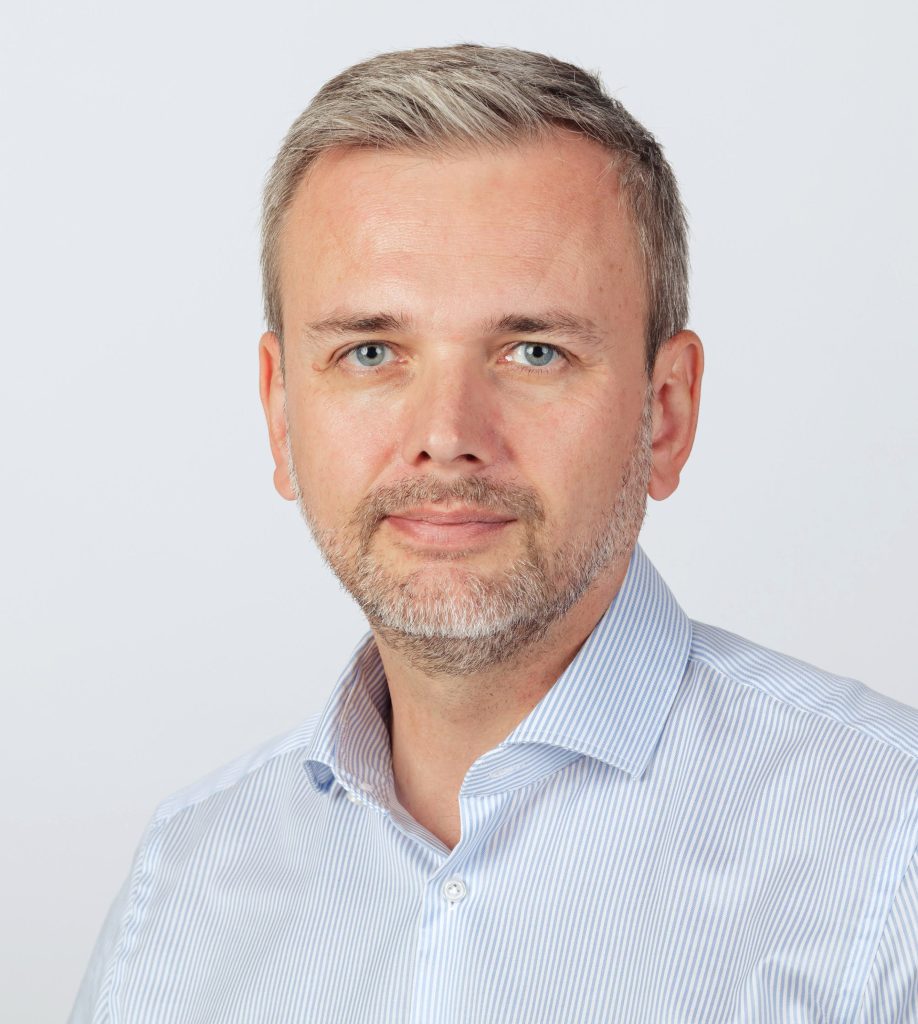
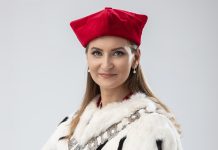
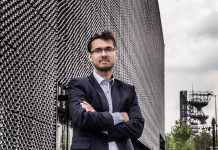
Professor Grzegorz Mazurek
Rector of Kozminski University
A professor of economics, academic manager, and expert in digital transformation and management. He is Rector of Kozminski University in Warsaw – one of the highest-ranked business schools in Europe, triple-accredited by AACSB, EQUIS, and AMBA, included in the “Financial Times” rankings. He leads a complex academic organization and is responsible for the university’s development strategy, financial stability, quality of education and academic research, and international relations. He is a recognized scholar and author of numerous publications on digital transformation and the impact of new technologies – including artificial intelligence – on business models and organizational management. His work has been published in renowned international journals. He collaborates closely with the business community in the areas of strategic development and innovation. He has extensive experience in management, institutional oversight, and working in an international environment. He is a member of the Board of Trustees of the European Foundation for Management Development (EFMD) and serves as Vice President of EFMD, with responsibility for the Central and Eastern European region. He also participates in the work of international bodies concerned with accreditation and quality of management education (including EQUIS). He has experience in the financial and technology sectors, including projects related to the development of electronic banking. In his work, he combines academic, strategic, and practical perspectives, with particular emphasis on risk management, innovation, and organizational governance.
Wojciech Skowroński
Beata Sekuła