




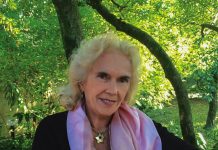





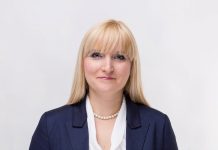



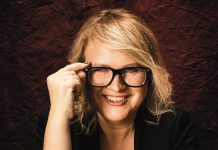
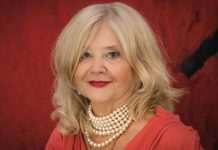
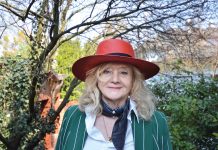



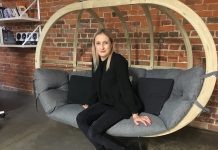
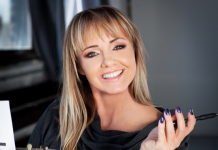

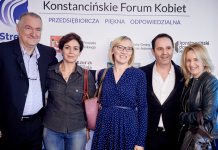


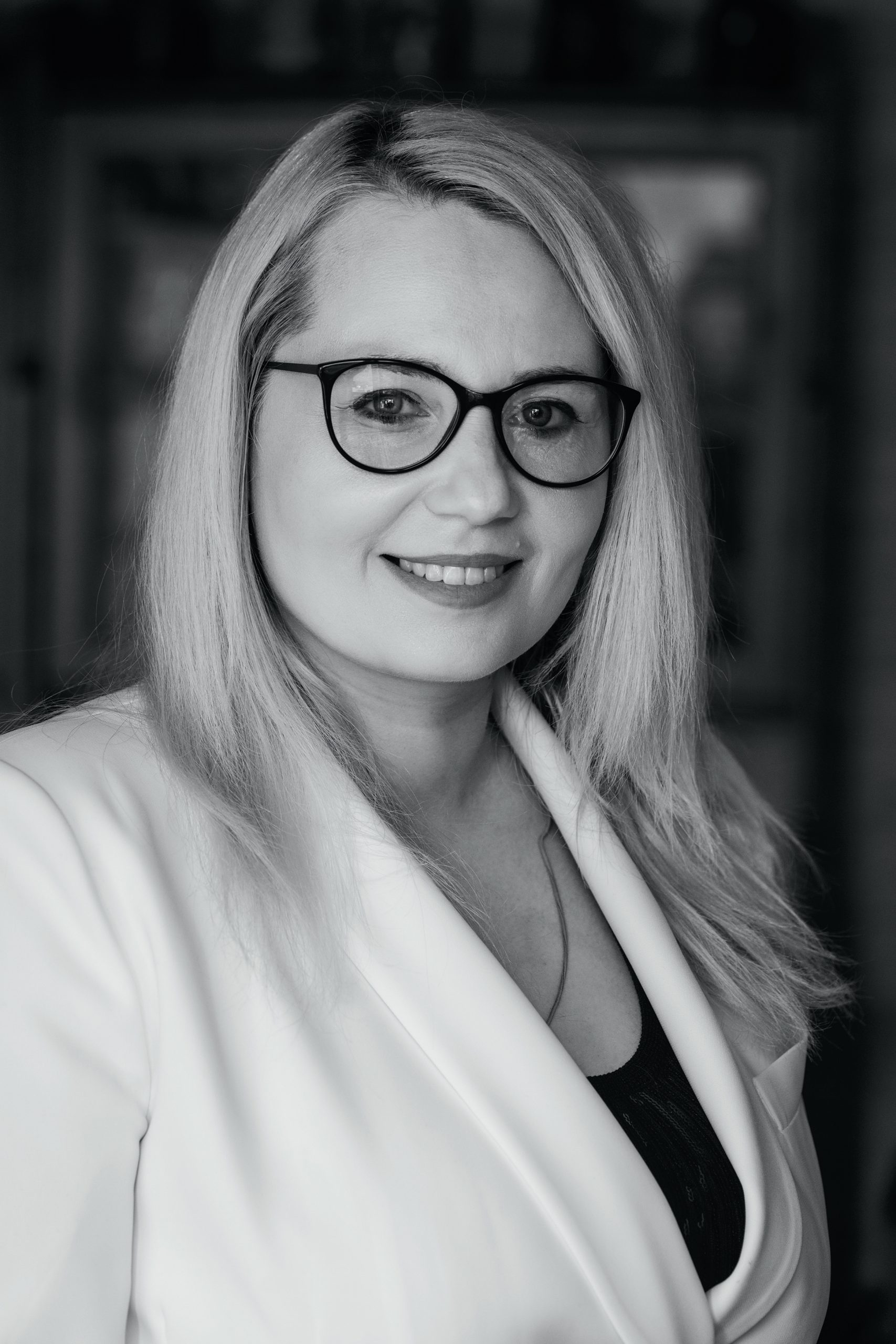
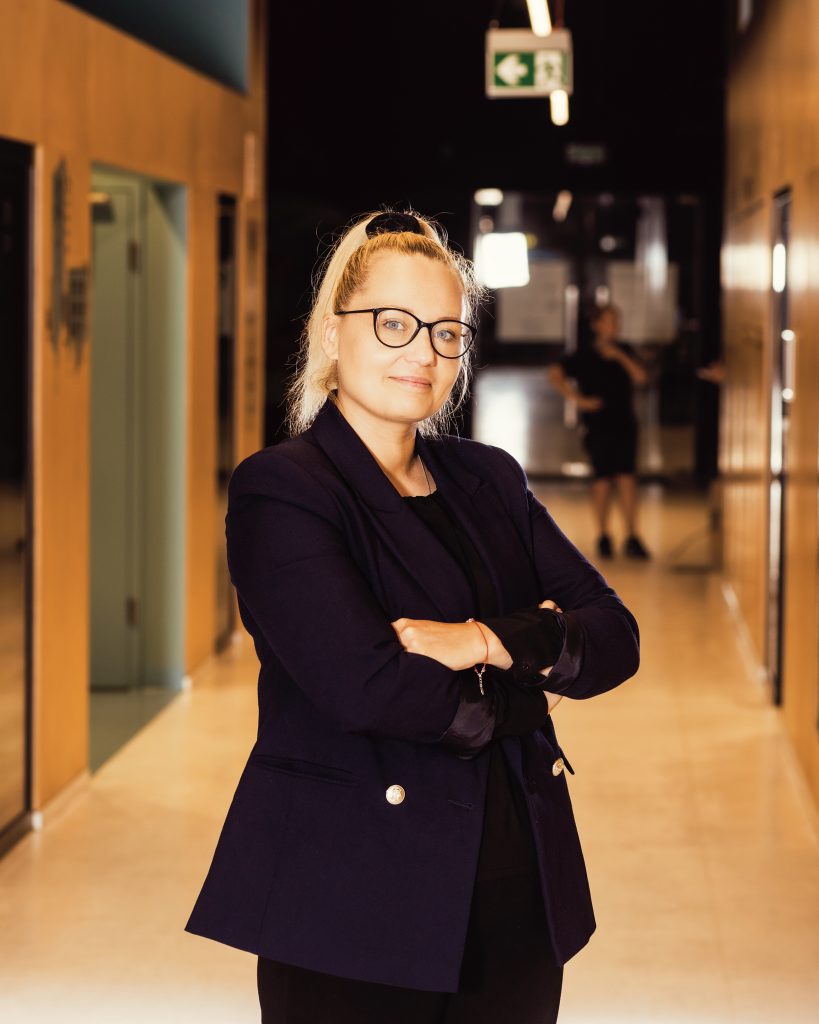
Izabela Snopkowska not only supports others, but also sets directions for development in the field of mental health. A psychologist, educator and psychotherapist, owner of PsychoEduTerapia, winner of Charismatic Woman and nominee for Leader by Vocation in the category of Leader in promotion of psychomotor health, talks of her work, therapeutic books, plans for the future and challenges faced by modern society.
As a true leader, you’re in constant growth. Let’s remind that you graduated in pedagogy with therapy and social rehabilitation, cosmetology, postgraduate studies in occupational health and safety, evidence law and a course in suicide prevention. I know that you’ve recently obtained further diplomas – what fields this time?
I’I’ve just completed neuropsychology and psychotraumatology.
What new skills have you acquired through these studies?
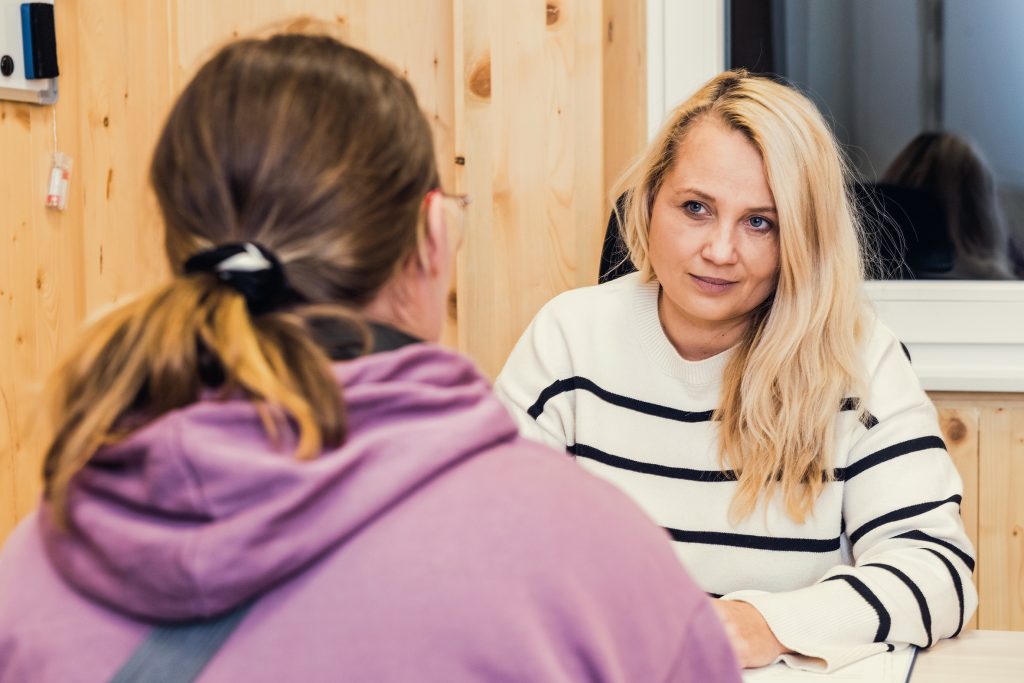
I learned how to work with post-stroke people. I’m able to conduct neurorehabilitation by stimulating centres functioning less effectively as a result of damage.
What if these centres are no longer capable of working with the brain?
In such cases, I focus on activating other brain areas, so that they can take over the functions of those that ceased to work. Each case is different, so the choice of methods must be individual. I often combine neurorehabilitation with educational therapy – by introduction of exercises supporting brain function and improving memory. In my work, I use a variety of tools, such as biofeedback, computers and psychoeducational games. When it comes to psychotraumatology, I’ve gained the competence to work with people who’ve been through traumatic experiences, such as war veterans. I’m now visited by people traumatised by psychological and physical violence, experiencing mobbing at work, as well as victims of traffic accidents. They often suffer from post-traumatic stress disorder (PTSD). Sometimes patients return with secondary trauma, where one has already been worked through, but another appears. Patients may be genetically predisposed to experience secondary trauma.
Have you undergone any therapy?
Yes, I have, mainly because of my profession. One of the requirements to become a psychotherapist is to experience it first-hand. Specialists working with traumatised and mentally disordered patients must have their own psychologist – a supervisor. I meet my supervisor once or twice a week, depending on my needs. We discuss the difficulties I face, both professional and personal. It’s a form of catharsis that helps me maintain balance and effectively help others.
Your professional experience is extremely rich and diverse: you’ve worked as a rehabilitation specialist in a men’s prison, as a teacher and therapist in a primary school in Kraków, as a coordinator and board member of socialisation and therapeutic centres (CPOW ‘Parkowa’ and the Mała Przystań Foundation in Kraków), and headed SIEMACHA Spot in Wrocław. What have you been currently doing?
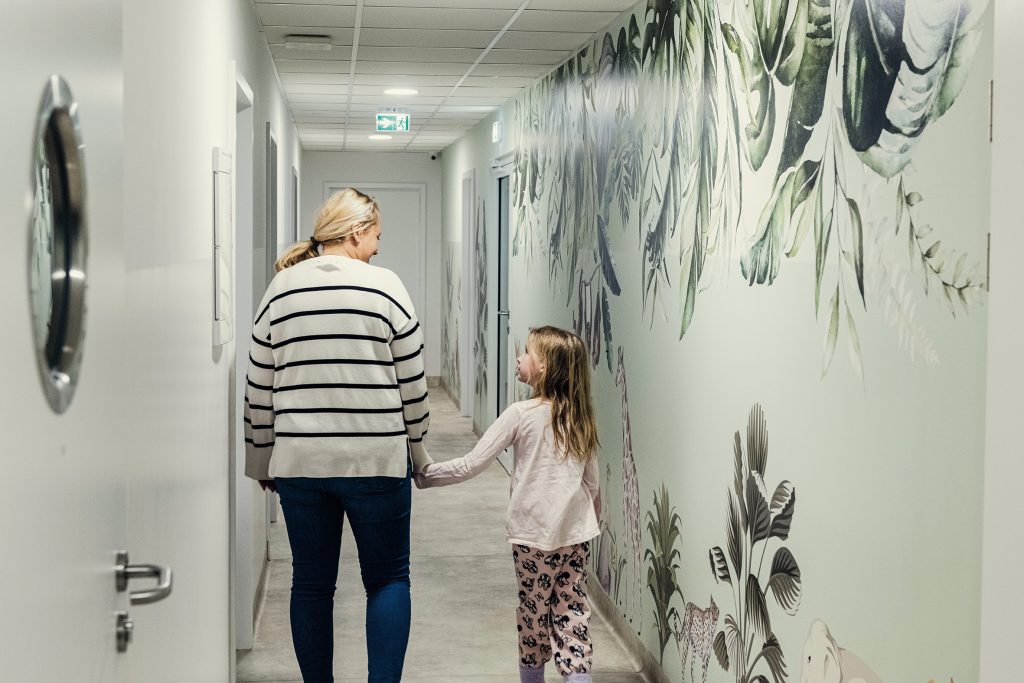
I’ve been developing my own business. A year ago, I founded PsychoEduTerapia, a company based in Nysa, my hometown. I’m planning a series of workshops, namely ‘Mama to też człowiek’ – a form of coaching for women who have experienced violence and single mothers. With children in mind, I want to launch social skills training and create a support group for Adult Children of Alcoholics. My business is mobile, but I also work on a permanent basis with FOCUS – a Non-Public Psychological and Pedagogical Counselling Centre in Gliwice and Katowice, where I provide early childhood development support. In addition, as part of a project funded by the Katowice Social Welfare Centre, I provide consulting and therapy available to every child in Katowice.
During your free time, you devote yourself to writing books…
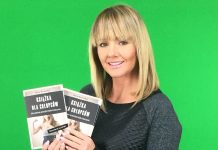
Actually, it’s already a closed chapter – I have four titles ready for publication. The first is a series of therapeutic fairy tales for children aged 3 to 6, the second is for children aged 6 to 9. These stories teach the youngest that we live in a world where it’s worth accepting difference and neurodiversity – children with autism, ADHD or other developmental challenges. The third book is aimed at both young people and adults. It addresses the most difficult problems faced by teenagers: self-harm, hate, toxic relationships, mental disorders, addictions and difficulties with social adaptation. The fourth book is a psychological novel – but we’ll talk about it another time. All the books are therapeutic and preventive in nature. They contain stories we may all be familiar with. They show our real struggles and how common mental health problems are. I’m going to publish them within the next 2–3 months.
Do you think mutual bullying is currently a serious social problem?
Definitely yes. It’s a huge challenge. People are less and less likely to engage in dialogue – instead of talking, they isolate themselves. This is most prevalent among children aged 10 to 16. Unfortunately, girls are leading the way – they tend to be more aggressive and ruthless than boys. The reasons are mainly hormonal changes, difficult home situations and a lack of acceptance from peers. These tensions accumulate, and children need to vent their negative emotions anywhere, most often at school, among their peers or at home. More and more children are suffering from various phobias. It’s estimated that as many as 20-30% of young people in Poland are home-schooled through online teaching because of being afraid to go to school – they’re afraid of being ridiculed.
Are you planning to conduct preventive classes in schools or work individually with victims of bullying?
Ultimately, both. For now, I’m at the beginning of developing my own business. I’m supported by my partner, who’s taken over the managerial and administrative issues. There are only 24 hours in a day, and I work almost 20 – but balance is a must. We keep postponing our wedding, but finally planning it for next year – in the Mirror Hall at the Castle in Pszczyna. The party will be held at Bażantarnia. Right now, we’re focusing on the company development and move to our new home near Pszczyna – we currently live between Czarnków and Chorzów. My partner is a filmmaker and often travels to film sets. Our schedule is very tight, we’re constantly on the road.
What are your future plans?
I’m considering further studies – in psychology and clinical speech therapy. One is in Kraków, the other in Warsaw. It all depends on the possibilities of individual study.
What are you most proud of?
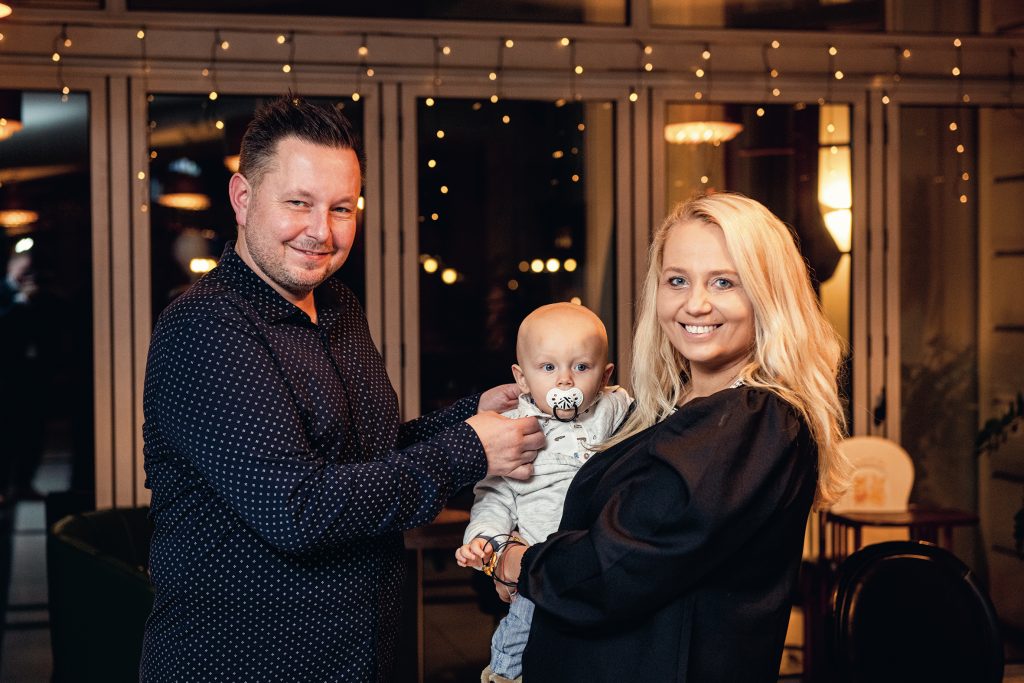
My children and my partner. Aluś is 2, Maja is 13, and Ola is already an adult.