

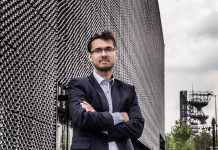




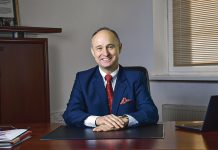


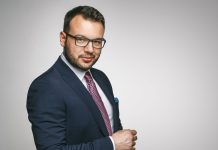





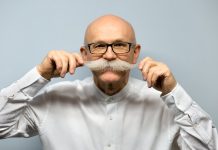







An interview with Piotr Psikus – Mayor of Kępno, winner of Leader by Vocation, one of the longest-serving mayors in Poland (since 1990) – passionate and dedicated creator of vital conditions for transformation of his hometown into a modern location with a dynamically growing industry, mainly furniture, a rich housing offer and ambitious plans for the future. As a result, more and more people from neighbouring cities, such as Wrocław, are settling in Kępno.
You are one of the few local government officials in Poland who have been in office for over 30 years. When did your first term start?
Almost at the very beginning of local government in Poland, i.e. on October 15, 1990. I was 29 at the time and was one of the five youngest mayors in the country. I remember that during the period of building local government structures, the work was so intense that my wife brought me sandwiches because we were exploring the secrets of local government from morning till night. Between 2010 and 2014, there was a break in my term – for two years I held the position of deputy mayor in a neighbouring municipality, and for the next two years I managed Elektromontaż in Katowice as managing director.
How did your educational path develop?
I obtained my degree at the Poznań University of Life Sciences (former Agricultural Academy), and another at the Poznań School of Banking (WSB). In 1997, I passed an exam at the Ministry of the Treasury, obtaining the right to sit on the supervisory boards of state-owned companies. I held membership of Supervisory Boards of Municipal and State Treasury Companies until April 2024. I defended my doctorate at the University of Kalisz, where I currently lecture, as well as at the Higher School of Management Personnel in Konin.
Did you professionally start as a social activist?
No, I started in a construction company, then I worked as an inspector at the Bralin Municipality Office, and then at the Kępno Town Hall. When the newly elected mayor was dismissed after three months, my father and uncle, both activists in the Citizens’ Committee, persuaded me to run for office so that the position wouldn’t go to someone from outside Kępno. At that time, I was planning to start my own business – I have design and construction qualifications for sanitary installations. But family roots tipped the scale.
So you’re business-minded as well?
I must admit that Kępno local government is growing dynamically. Even in the difficult years of 2001–2007, unemployment didn’t exceed 9.5%. Most of the plants underwent transformation, only 2–3 went bankrupt, but afterwards their sites were repurposed. Kępno is called the Polish capital of furniture manufacturing – there are over 800 companies in this industry operating here, employing hundreds of people and producing for export. The largest company has annual net revenues of around PLN 1 billion. In terms of income, we’re surpassed by three rural municipalities, where in the 1990s farmers converted their barns into production halls. Kępno used to be home to a branch of the Jarocin Furniture Factory, which went bankrupt, but the experienced staff remained. People took out secured loans and set up companies – that’s how fortunes had been made. Today, their owners drive luxury cars and fly helicopters.
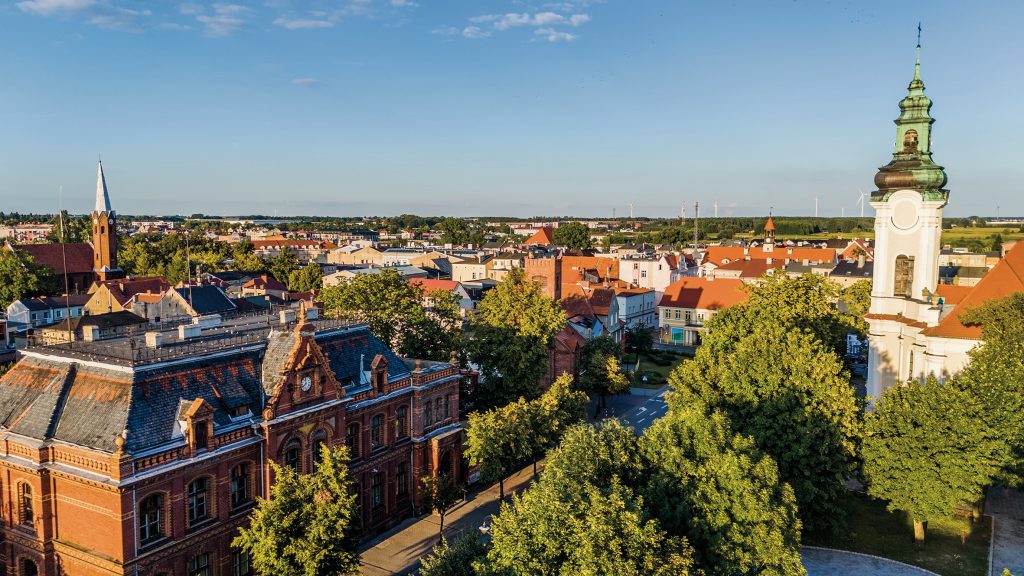
Kępno is a wealthy municipality.
Definitely – we have reliable taxpayers. The highest income per capita is achieved by the neighbouring municipality of Baranów, with a population of 7,000 and the largest number of factories. The Town and Municipality of Kępno have over 25,000 inhabitants, so the income is spread more widely. Trade and steel structure industry are also developing. Unemployment is currently 1%. The district has 56,000 inhabitants, with an additional 8,000–12,000 foreigners residing here. In the furniture industry, 50% of employees are citizens of Ukraine, Moldova, Belarus, Kazakhstan, Colombia, India and Nepal. One of the largest employment agencies in Poland operates here, with offices in Bogota and Dubai. One-third of children in nurseries are children of foreigners, and they account for 22% of primary school pupils.
Do children want to learn Polish?
Most Ukrainian children do, but recently there has been an increase in the number of students from South America only speaking Spanish, which is quite an obstacle. However, our children benefit from the gap by developing their language skills. There’s a growing sense of integration – children talk, argue and make friends. I’m a grandfather of three grandchildren myself. Janek, the eldest, is in the fourth grade and has four Ukrainian friends – they get on quite well, playing together, but behavioural problems are sometimes unavoidable. My granddaughter, Zosia, attends nursery school along with children from Ukraine and Brazil.
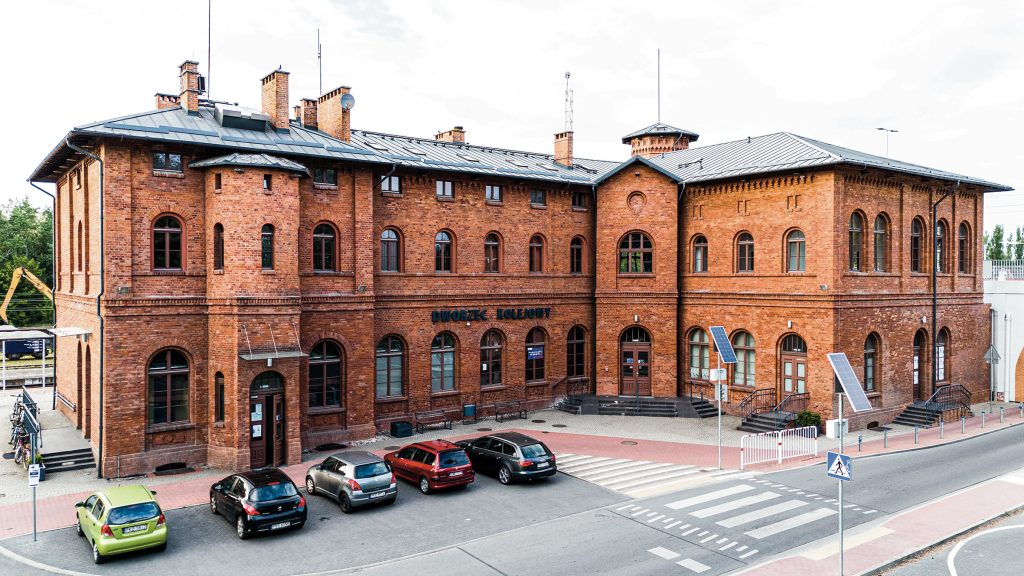
Kępno has multicultural traditions and interesting monuments.
The most valuable building is the synagogue from 1815, open to visitors with a guide. In the past, Jews constituted 56% of the town’s population, and the synagogue was the heart of the ‘Kamczadka’ district. Over the years, the building was vandalised. During the occupation, the Germans set up a horse riding arena there, and during the communist era, it served as a furniture warehouse. In 1973, the building burned down. One of my first decisions as mayor was to secure the building – I commissioned the construction of a roof and gutters. In 2007, I bought the synagogue from the Jewish community for a symbolic one zloty, with the intention of using it for cultural purposes.
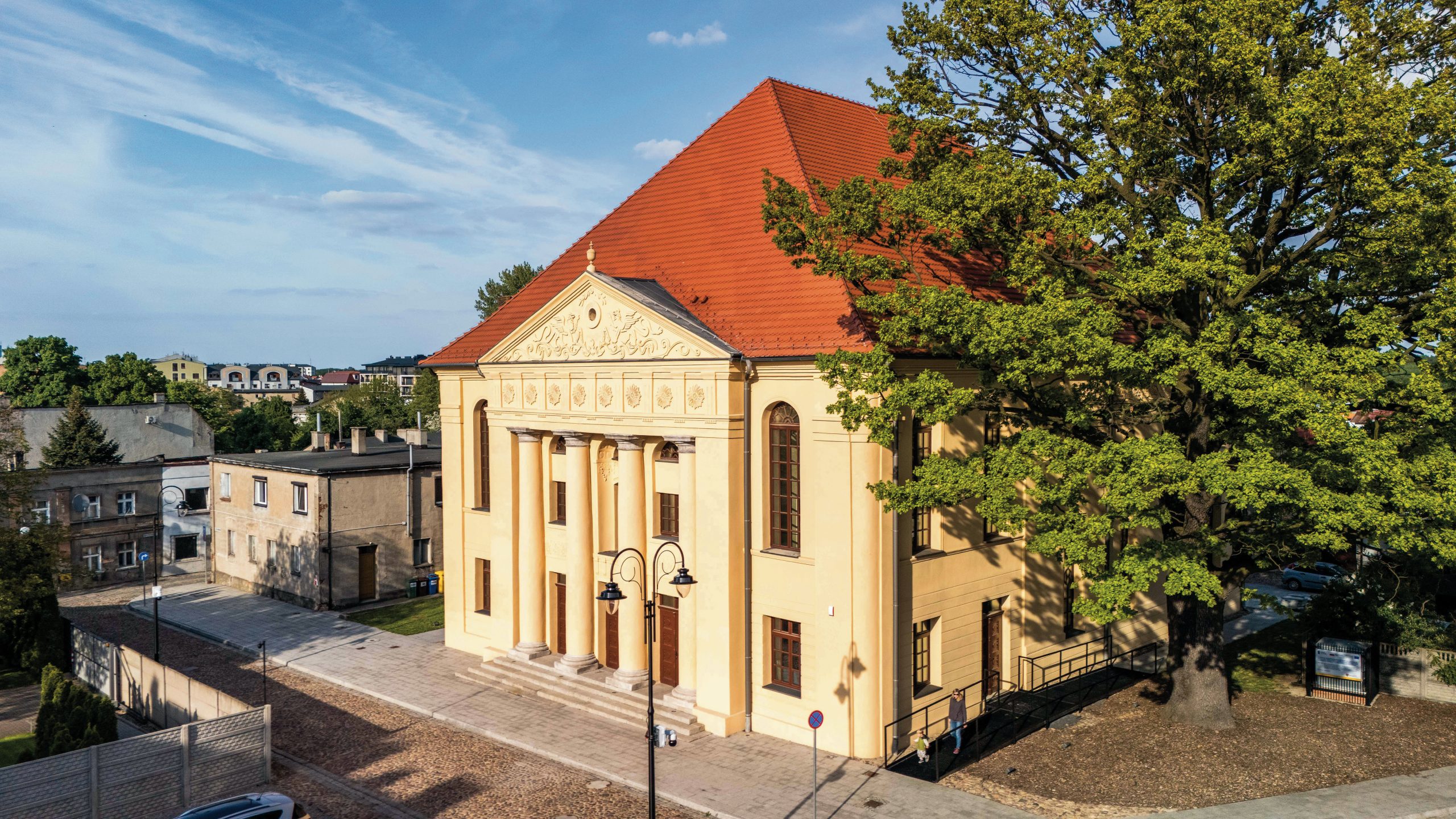
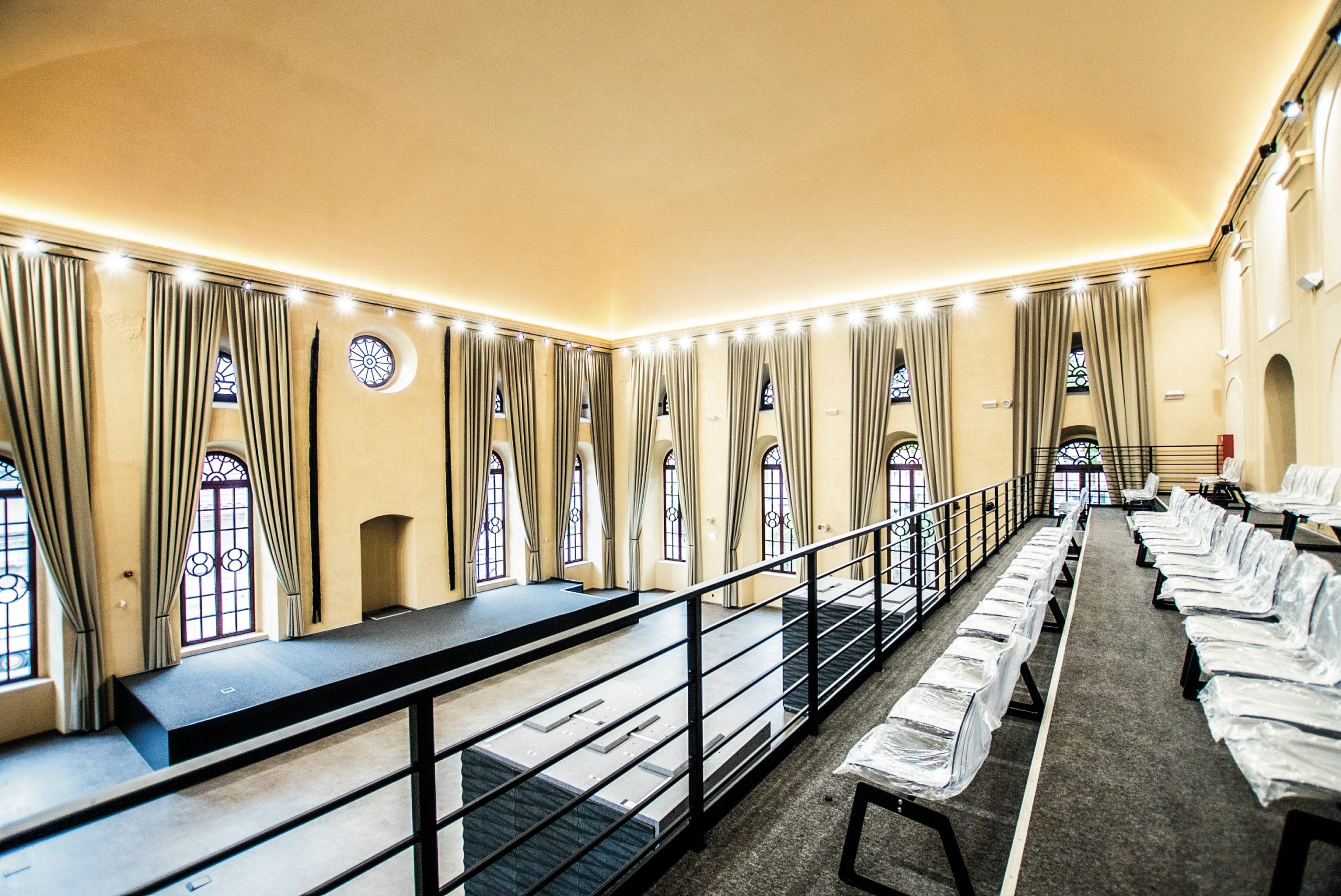
It was successfully renovated due to European funds. Also worth seeing are St. Martin’s Church from 1911 and the 18th-century Evangelical Church of the Augsburg Confession. When St. Martin’s was being renovated, masses were held in the Evangelical church – this even attracted the interest of TVP.
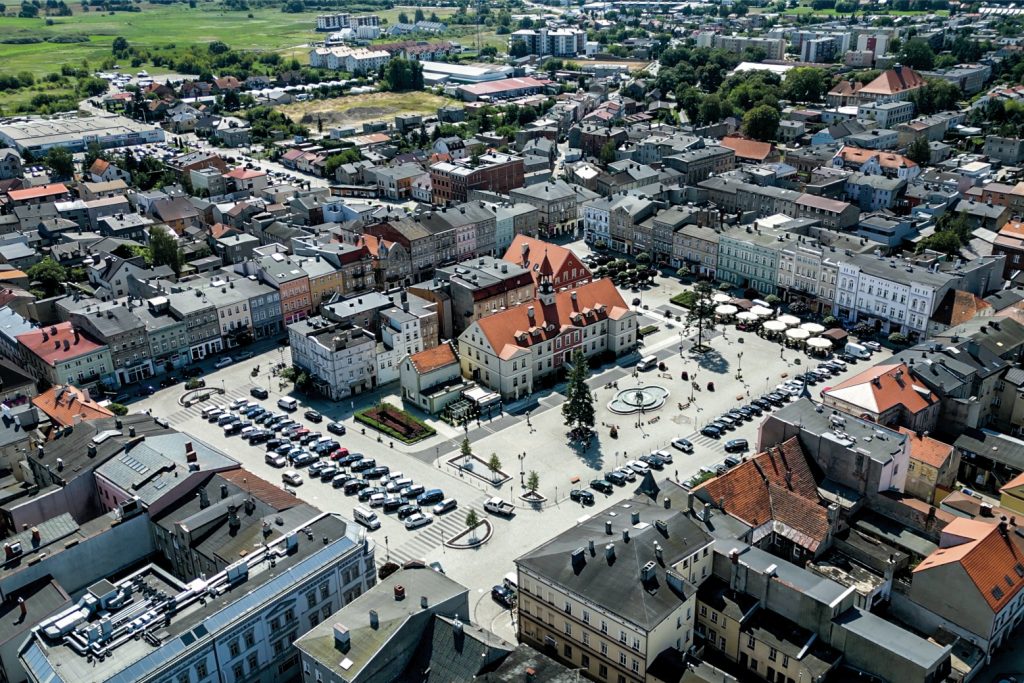
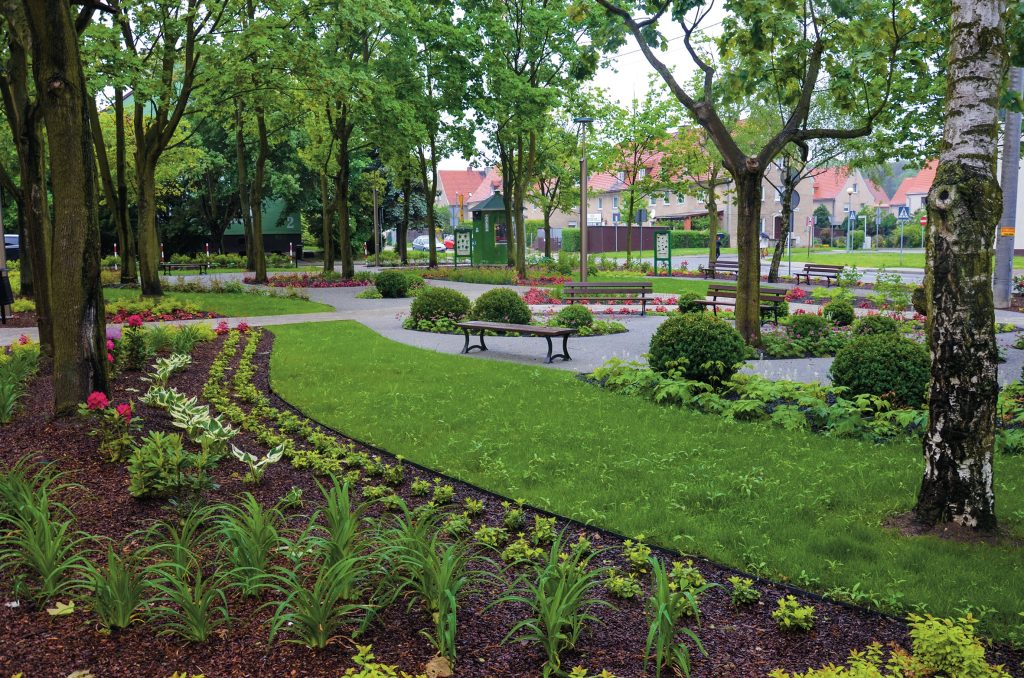
We’ve restored two parks: Starościański Park, next to the historic Maria Fredro Countess Szembekowa Library, and the 100th Anniversary of Kępno’s Return to the Motherland Park. The market square in Kępno is the second largest in Wielkopolska (Greater Poland), right after Poznań. Next to the Town Hall the Museum of the Kępno Region is located, with a collection of Judaica and works by one of Poland’s greatest Kapists, Tadeusz Piotr Potworowski, who lived there and painted after the war. The Museum bears his name.
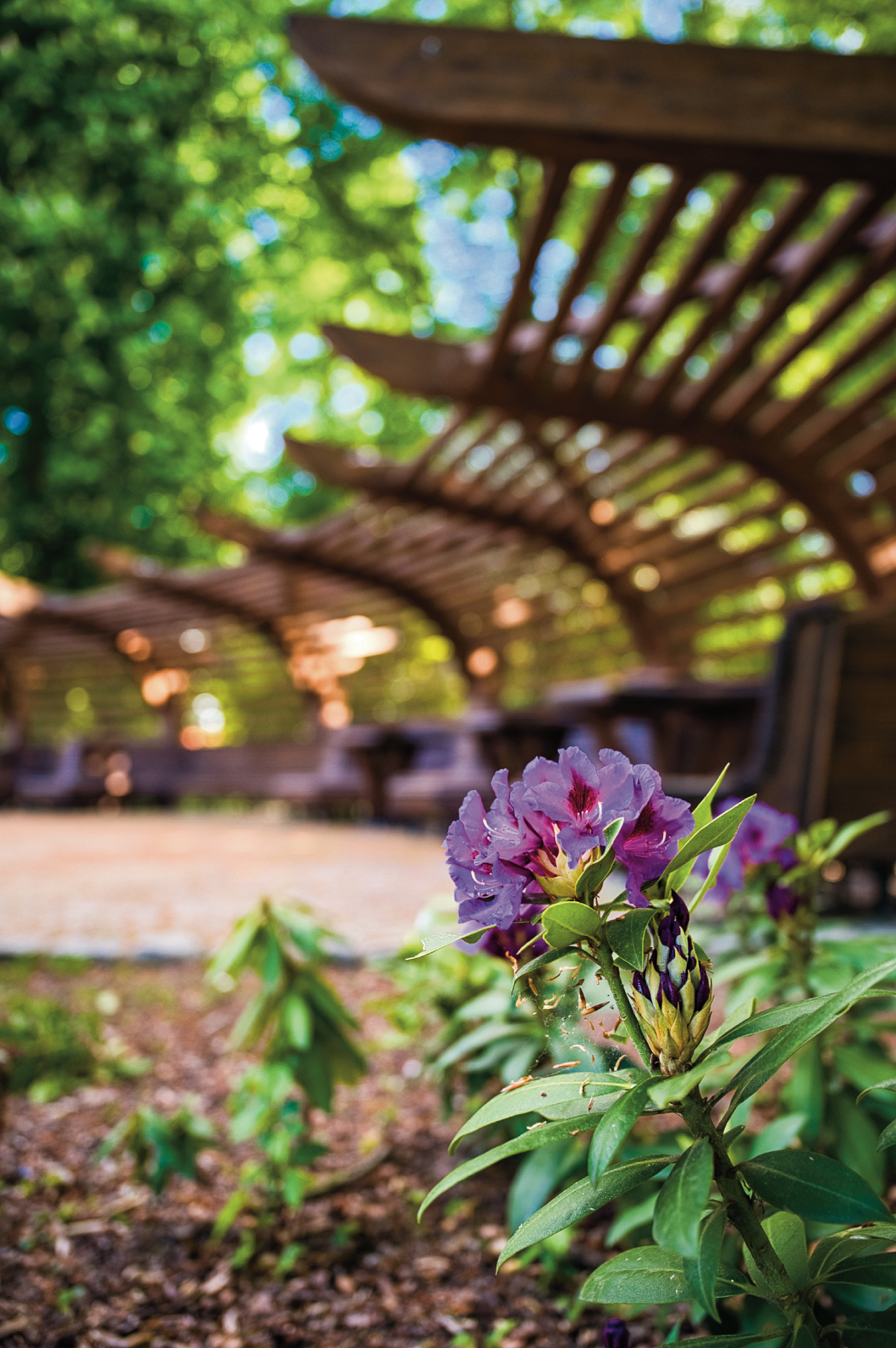
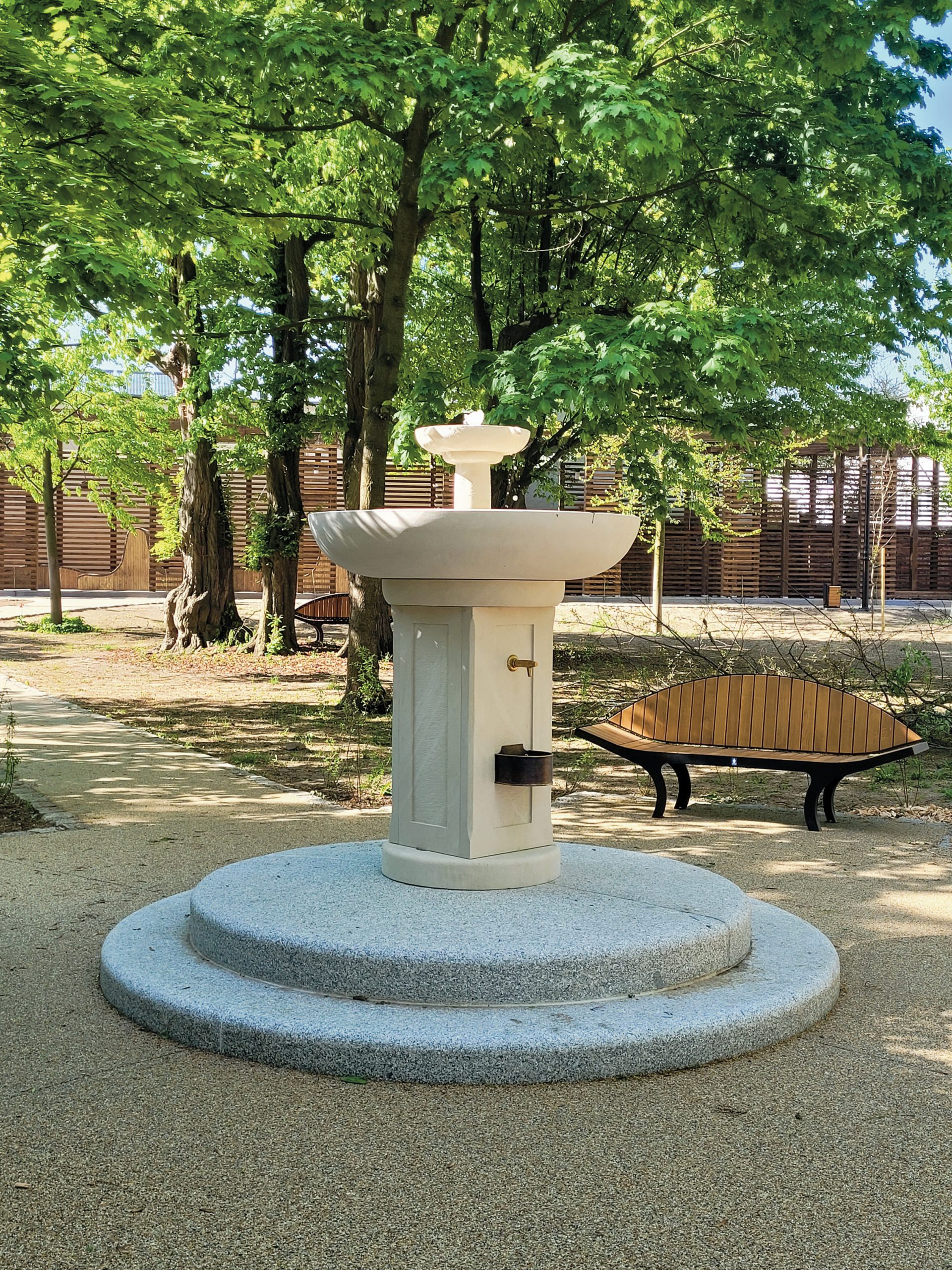
& Starościański Park after revitalization
What other forms of culture are available to residents?
In summer, a series of concerts organised by the Kępno Culture Centre and the Town Hall takes place in the Kępno market square – from May 3 till the September Festiwal Trzech Kultur, preceded by ‘Muzyczne piątki’ and Dożynki. Since 2017, eight editions of the Festival have been held, with the participation of soloists from the New York Philharmonic, the Bester Quartet – a group of klezmer music virtuosos from Kraków, the world leader in this genre, Darek Male Malejonek, Edyta Geppert, Kuba Badach, Stanisław Soyka, Anna Maria Jopek & KROKE, Grzegorz TURNAU, Wojciech Waglewski. The Synagogue houses the Cultural Activation Centre, which organises classes for different age groups and artistic events. I personally supervise its activities – I want it to be an exclusive centre of high culture. We also have a cinema, whereas a theatre, opera house and concert hall are available in Wrocław, 76 km away.
What achievements are you most proud of?
Kępno offers an indoor swimming pool, a full-size sports hall, and a soccer field with natural and artificial turf. Several facilities are equipped with lighting, so events may also take place in the evening. There’s a cinema, a museum, and a local library. The Kępno Culture Center is also going very well. Our seniors have their own Senior Club facility.
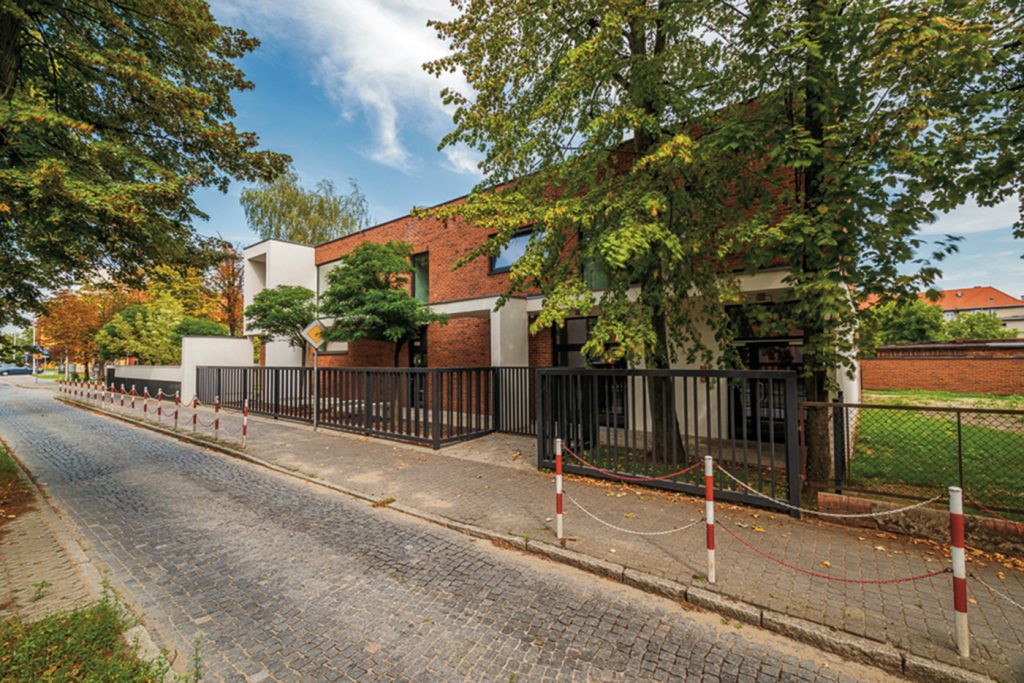
We care about the environment. We have two revitalised parks: Miejski and Starościański, where various cultural events take place. There are also walking squares for residents. We have several professional playgrounds for children and the young of different age groups. The Town and Municipality of Kępno provide a whole infrastructure of water supply and sewage systems, whereas a gas network functions in the town and one of the villages. Wodociągi Kępińskie has been operating since 1997. The company frequently carries out investments and modernises existing water treatment plants as well as water and sewage networks. It’s the first company in Poland to sign a loan agreement with Bank Gospodarstwa Krajowego under the KPO program. Kępno within one of its parts is also supported by a heating network. We’re implementing educational and public housing projects. We’re the (largest) shareholder in a waste management company. We care about the safety of our residents – there’s a Town Guard in Kępno, the monitoring system includes 56 cameras, and we subsidise the activities of the Police and Fire Departments. Since 2018, there’s been a ban on the sale of alcohol in the Municipality of Kępno from 10:00 p.m. to 6:00 a.m., which also contributes to improving safety. I’ve focused on ecology. We’re implementing the local ‘Kępno wolne od smogu’ (Kępno free of smog) programme, and we’re winding up coal stoves. The municipality has no loans, only borrowings and bonds, and its debt remains at a safe level of 20%. Every year, we generate surpluses and invest them. I’m one of the first mayors in Poland to implement a programme of flats with an option to purchase – the rent and instalments are structured in such a way that they don’t burden the household budget. We’re building more blocks of flats: 24 and 36 flats. We compete with developers by offering lower rates. I’ve centred my attention on providing modern infrastructure to retain residents and attract new ones.
What about education?
Each and every child can easily find a place in a nursery or kindergarten – we have five public preschools, one private and one nursery. There are also nine primary schools and three secondary schools within the Municipality area. Secondary School Complex No. 2 trains upholsterers for the local furniture industry – the demand is so high that entrepreneurs once offered funding the additional classes. Upholsterers here earn between PLN 8,000 and PLN 9,000 a month. When it comes to university, my generation chose Poznań, but today’s youth prefer Wrocław. Due to location at the junction of several provinces, other academic centres are also available: Kalisz (63 km), Opole (88 km), Łódź (128 km) and Katowice (145 km).
Where can residents spend their free time actively?
We have the Quarium indoor swimming pool, a modern cinema, numerous bike paths, a sports hall, football and handball pitches, and there are plans to build an ice rink. For quite a small town, the range of sports, leisure and cultural activities offered is relatively wide. The aforementioned Synagogue Centre proves useful as a concert hall as well.

And how does the Mayor relax?
I enjoy swimming, walking, cycling, and skiing. I take advantage of the nearby city of Wrocław to go to the theatre or opera. I also enjoy attending art exhibitions, because art is something I truly appreciate.
What are the future plans for the town’s growth?
We’re working on a new spatial development plan. New investments and jobs are being created on the lands between the S8 and S11 roads – Leroy Merlin is currently looking for 100 employees. The municipality has seven municipal companies. The largest planned project is the construction of heat and power plant, to convert waste into heat and electricity – to satisfy the needs of residents and companies. Local government is a multidimensional organism. When making decisions, we attempt to balance the development of the municipal economy and the purely recreational sphere, which is quite difficult. We consistently try to stay ahead of our time.
We wish you successful implementation of plans and congratulate for all your so-far achievements.
Thank you.
Dorota Kolano