


































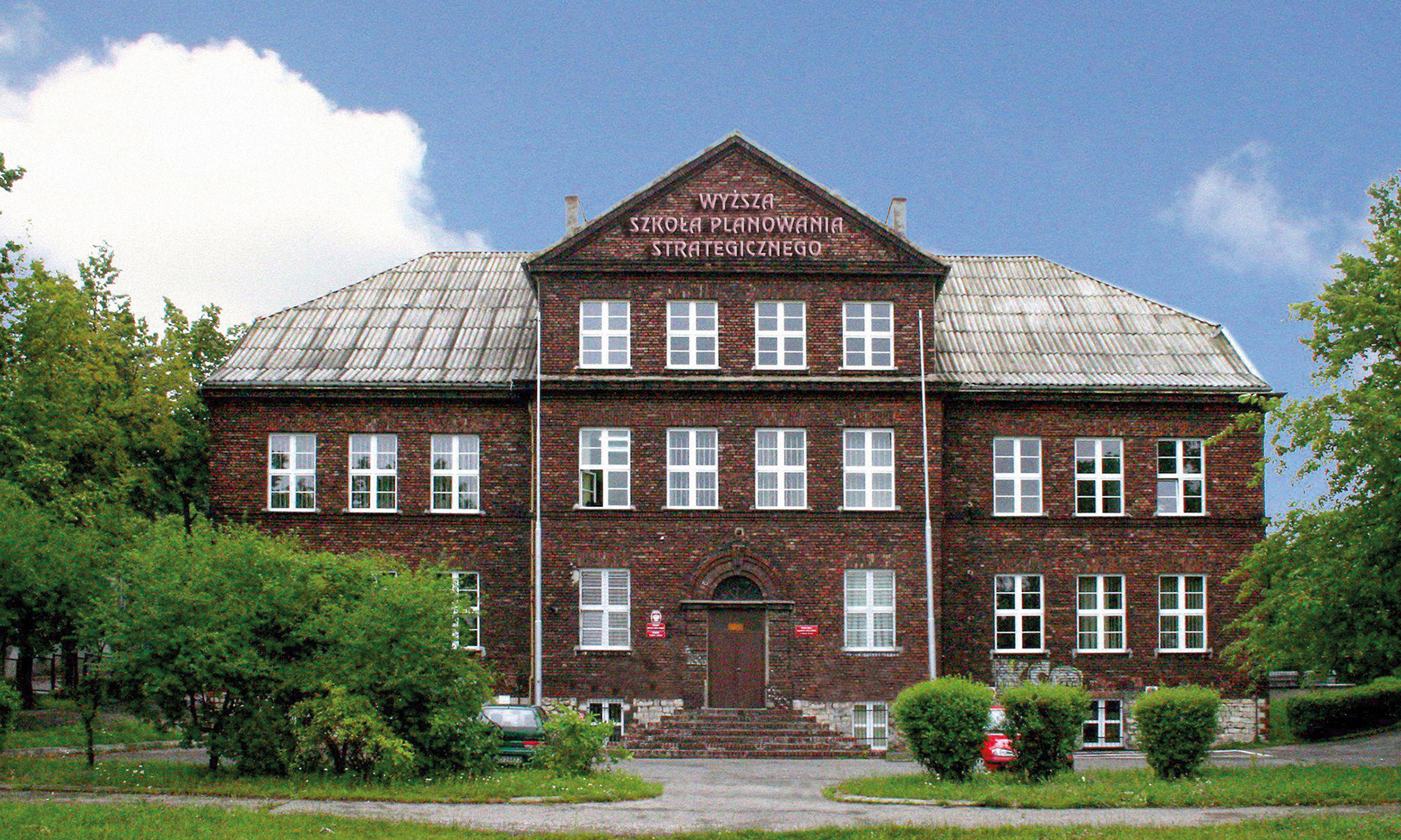
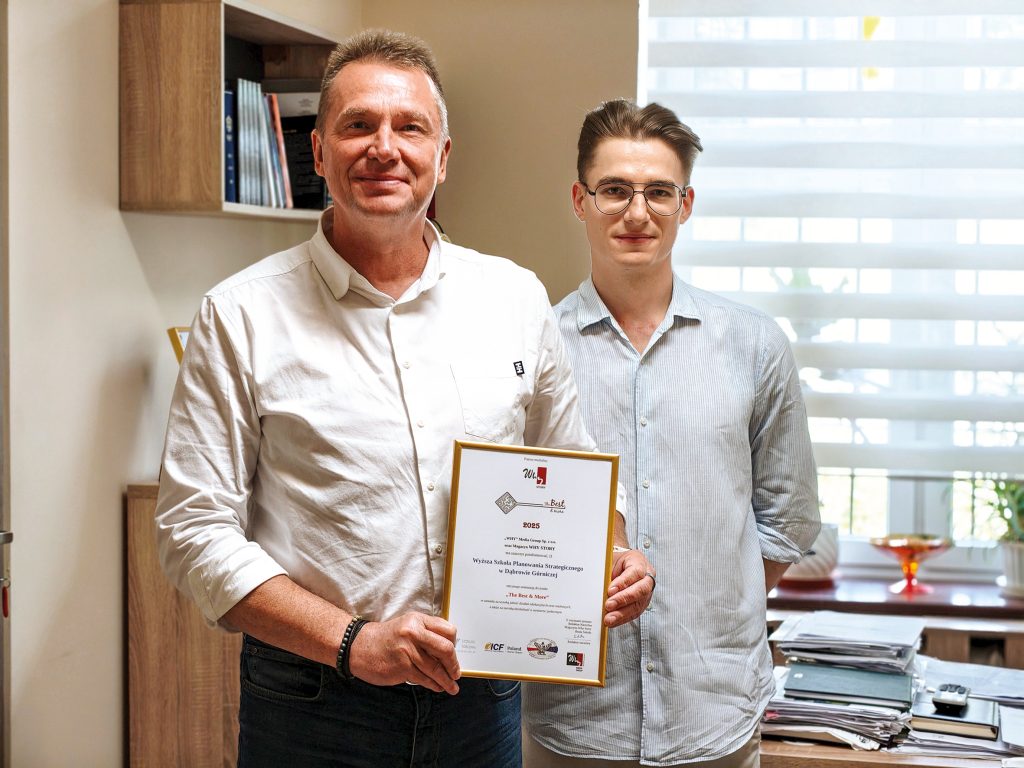
WSPS – the College of Strategic Planning in Dąbrowa Górnicza is a place where modern medical education meets practice, innovation, and international cooperation. For over two decades, the university has been consistently building its position as a leader in medical education, offering students access to advanced infrastructure, experienced staff, and programs tailored to the realities of the market. WSPS offers not only bachelor’s and master’s degrees, but also a wide range of postgraduate studies, including a unique course in health coaching with elements of lifestyle medicine, responding to contemporary social needs in the field of prevention and lifestyle. The university has just been nominated for the title of The Best & More.
WSPS is a non-public university of medical profile, located in a historic building in the Gołonóg district of Dąbrowa Górnicza. Since 2004, it’s has been dynamically expanding educational offer and constantly adapting it to the needs of the market. The curricula are implemented in accordance with guidelines of the Ministry of Science and Higher Education, whereas classes are conducted by experienced lecturers from Poland and abroad.
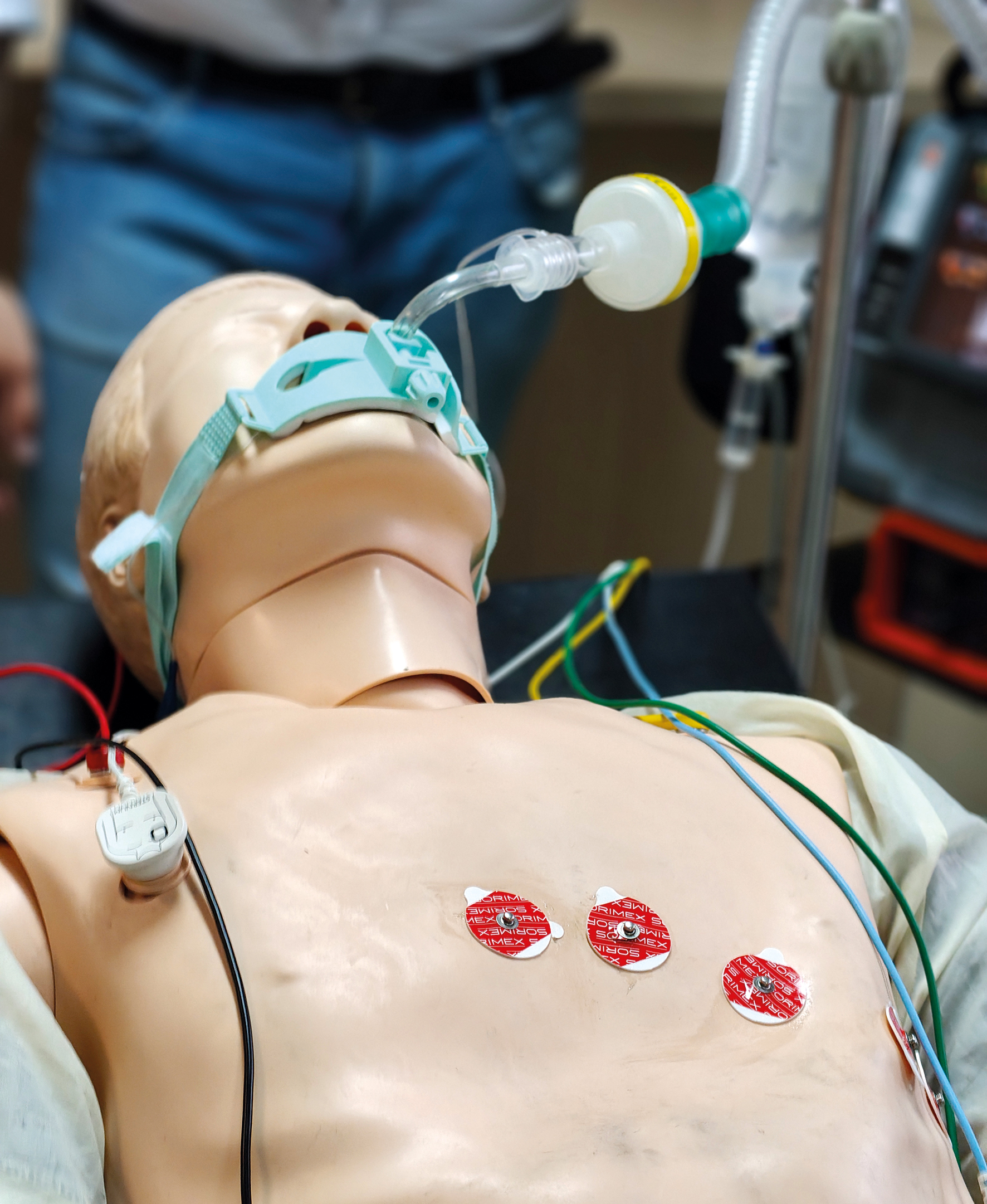
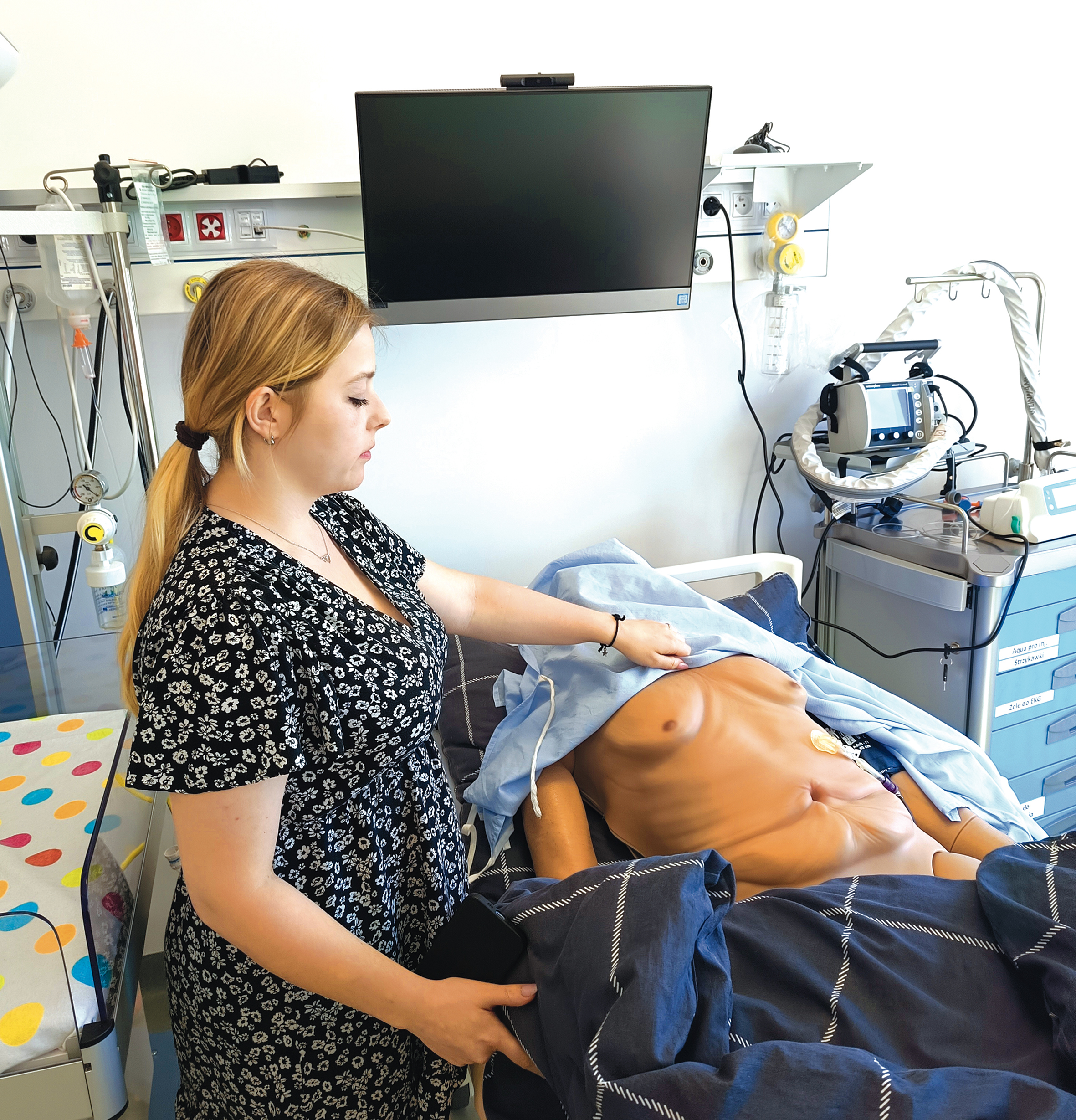
WSPS provides practical education, preparing students for work in various social and economic sectors. The university has gained nationwide recognition for its innovative model of training paramedics and is also a leader in nursing education. Students have access to five modern medical simulation centers equipped with professional equipment, including mannequins and a mobile ambulance. There’s also a helicopter at the university’s disposal.
WSPS actively participates in the Erasmus program, enabling students to gain international experience. The capacity of the university are three buildings in Dąbrowa Górnicza as well as branches in Jarocin and Piotrków Trybunalski. Furthermore, WSPS runs an Academic High School, offering a full educational path – from secondary to higher education.
Social Education as a Mission
WSPS is more than just a university – it is an active partner in the local community, consistently implementing educational, preventative, and informational activities for the region’s residents. Through numerous social initiatives, the university contributes to increasing health awareness and building a culture of safety among children, youth, and adults. These activities extend not only to students and teachers, but also to families, seniors, and residents of surrounding towns. This is WSPS’s thoughtful and consistent response to the need to create a society that is responsible, educated, and capable of responding to crisis situations.
Careers of the future in healthcare – choose your path
The WSPS Faculty of Social and Medical Sciences offers modern, practical courses of study that meet the current needs of the market as well as the challenges of contemporary medicine and healthcare system.
Nursing – first and second-cycle studies enable students to acquire the knowledge and skills necessary for comprehensive care of patients in various states of health. Students learn how to plan and implement the nursing process in accordance with applicable standards, identify health needs, and communicate effectively within the therapeutic team. Master’s studies develop competencies in the independent provision of health services and nursing care management.
Emergency medical services – first-cycle studies merging theoretical knowledge with intensive practical training. The program educates specialists ready to act in life-threatening situations. Internships take place in renowned emergency services, such as ambulances, emergency rooms, fire departments, and mountain rescue services.
Public health – second-cycle studies prepare students for work in institutions dealing with prevention, health protection, and management in the medical sector. Graduates have interdisciplinary knowledge and practical skills enabling them to operate effectively in the dynamically developing area of health services. The program includes specialties such as health care management, health education, emergency medicine and crisis management, dietetics, or health promotion.

Expert education for professionals
The postgraduate studies offered at WSPS have been designed for specialists who want to develop in areas related to health, management, and modern medical technologies. The programs take the latest trends, social changes, and the current needs of the healthcare system into account.
The available fields of study include: geriatrics with gerontology (an interdisciplinary field covering the scope of knowledge of other sciences, such as medical, philosophical, pedagogical, sociological, economic, and IT sciences), healthcare and human resources management, clinical nutrition, psychodietetics, sanitary and epidemiological supervision, medical law, safety and crisis management, cosmetology, aesthetic medicine, trichology, diabetes education, podiatry, neurorehabilitation, the aforementioned health coaching with elements of lifestyle medicine, and quality manager in the medical industry, where participants can obtain a number of certificates, including internal auditor ISO 9001 / ISO 13485 / ISO 27001. These studies are an excellent opportunity to gain new qualifications and increase professional attractiveness. Moreover, WSPS postgraduate education includes numerous medical courses, soft skills courses, industry-specific courses, and specialised training for nurses and midwives.
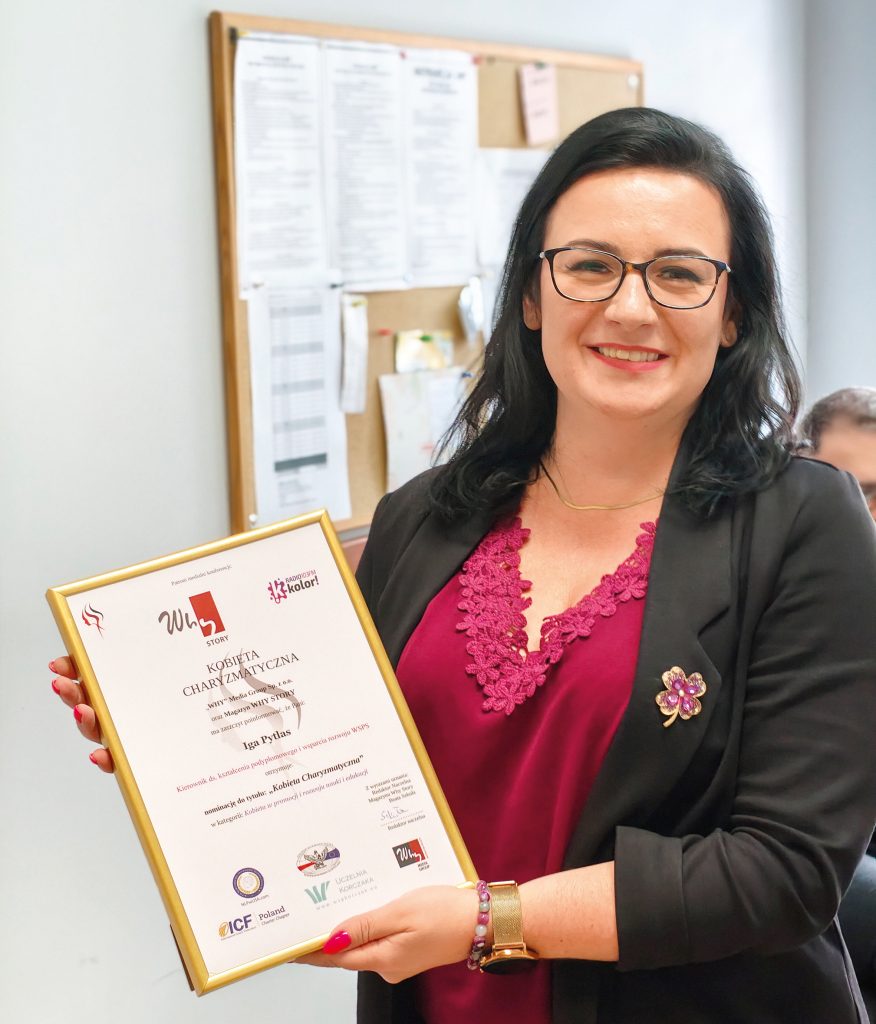
Health coaching with elements of lifestyle medicine
This is an innovative educational offer responding to growing social needs in the area of health and well-being support. The program was developed for people who want to professionally support others in the process of lifestyle change, using coaching tools and knowledge of lifestyle medicine. The program integrates positive psychology, empathic communication, health coaching, and the scientific foundations of health prevention approaches, based on the six pillars of lifestyle medicine model. Participants gain the skills to effectively support individuals and groups in changing habits, strengthening mental resilience, and building lasting, healthy behaviours.
Classes are conducted remotely, in real time, which enables flexible combining of learning with professional activity. The study program includes eight thematic modules that comprehensively prepare students for work in the field of health coaching.
Participants get acquainted with the basics of coaching and psychology of change, learn how to use session models (GROW, SMART, ACT), and tools that support the process of change. They explore principles of lifestyle medicine, analysing the client’s lifestyle in the context of the six pillars of health. As part of the practical classes, they practice conducting of coaching sessions, develop empathic communication skills and learn how to work with resistance. The program also includes session supervisions, professional ethics issues, and personal development planning. The studies end with the preparation of an individual project – a healthy lifestyle plan for a selected client or a group.
Dorota Kolano